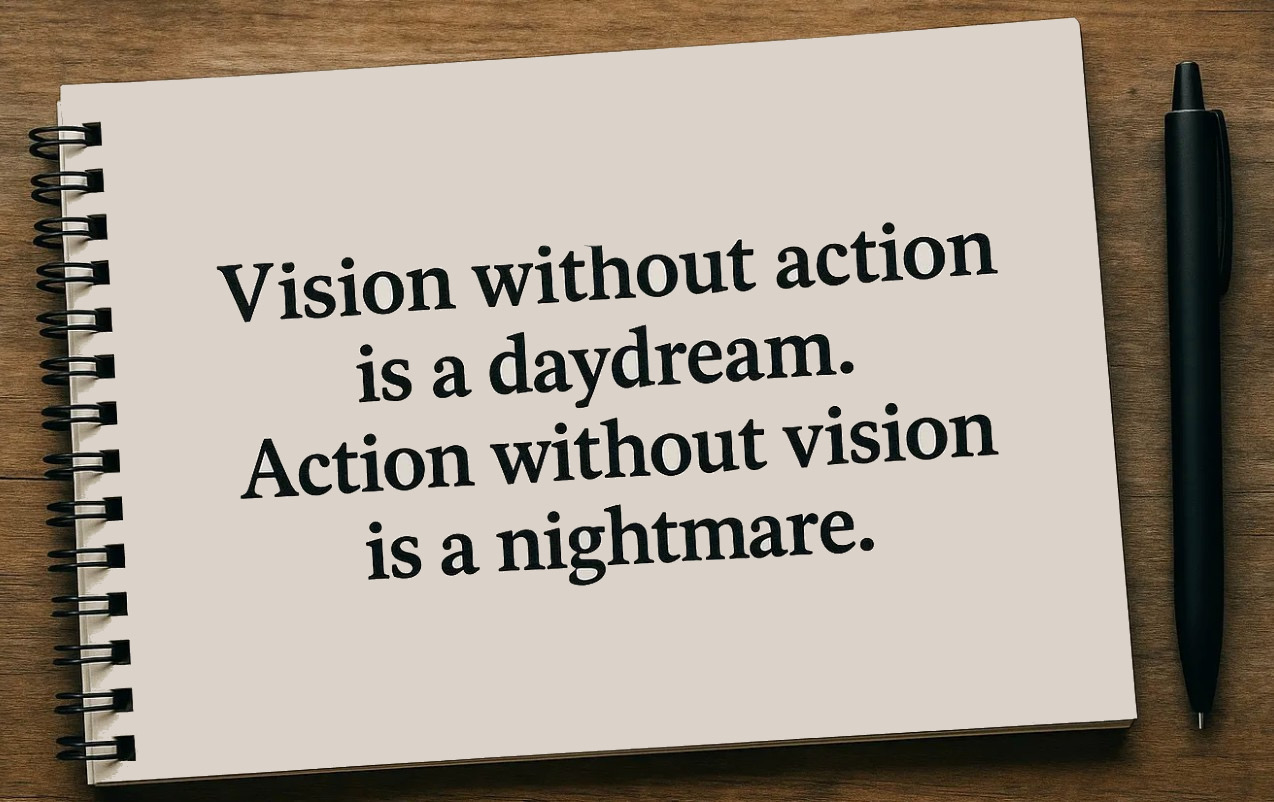
One word kept recurring this week: capability.
Andy Burnham promised a Government with a worked-through plan. Nigel Farage attempted an extraordinary tactical reset through a by-election. Donald Trump alternated between negotiations and military escalation in the Gulf. Different countries, different politicians, but all confronted the same question:
Can they actually do what they say they will?
| Can they actually do it? | Current evidence | Verdict |
| Burnham: ready to govern? | Stronger rhetoric, but no new policy | 🟡 |
| Reform: ready for Government? | By-election gamble creates uncertainty | 🟡 |
| US-Iran ceasefire | Military action escalates, no hint of a plan | 🔴 |
“Do as I say, not as I do.”
Burnham’s rhetoric is moving faster than his policy. With no challenger emerging to block the King of the North’s stately progress to No. 10, Labour is planning a “transition ceremony.”
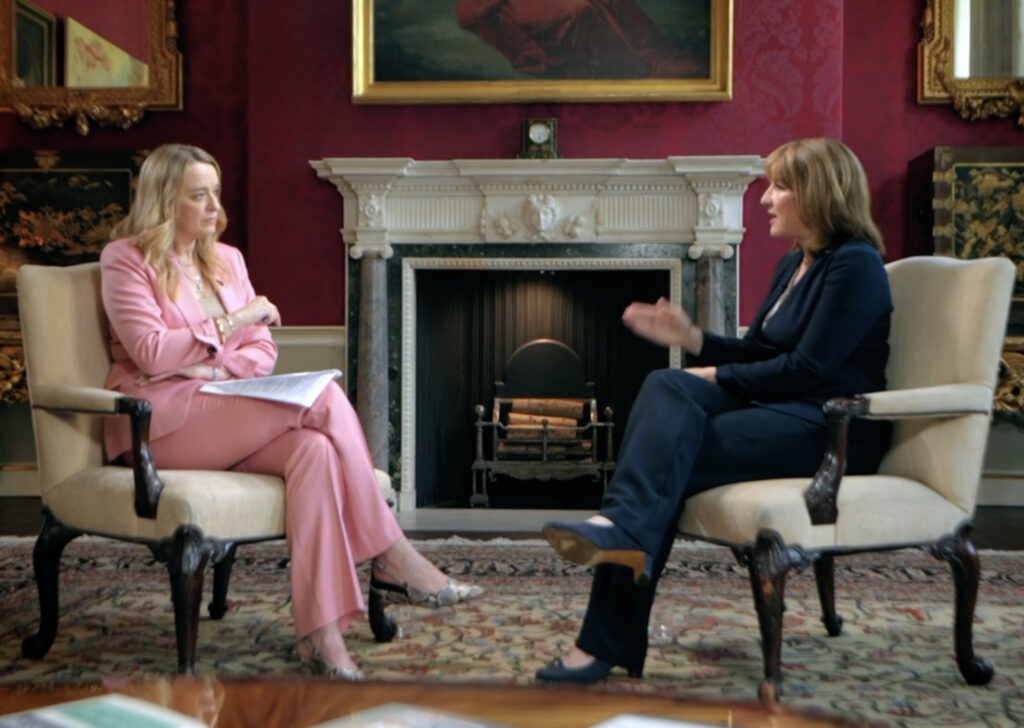
However, in a surreal moment of obliviousness, this week’s Chancellor, Rachel Reeves, warned Burnham in her “exit interview” with Laura Kuennsberg, that he needs a “worked-through plan” to govern as soon as he enters No. 10 – precisely what Starmer & Reeves conspicuously failed to develop over two years in Government (Laura Kuenssberg, BBC News, 11th July 2026 “Sunday with Laura Kuenssberg.”) This takes what one believes is sometimes referred to as “brass neck.”
Burnham: improved rhetoric, same old policies
Burnham had answered questions through the irritating mechanism of a reddit “Ask Me Anything” (or “AMA”) on Friday 3rd July (summarised) Despite the digital upgrade however, Burnham did not stray outside the lines of established policy orthodoxy. Moderne and yet just the same anyway.
Then in a video short Burnham disclosed that he felt that Labour’s response to the Gaza conflict under Keir Starmer had been “problematic.” Burnham apologised and said that the UK had been too slow to call for a ceasefire, which will have pleased many on Labour ‘s left.
This could be an indication of the Burnham approach exemplified by his reassuring announcements that as Prime Minister his government will stay within the 2024 manifesto, will not entertain alterations to the pensions treble lock and will continue support for Ukraine and NATO. So, no actual policy difference from Starmer, but all restated with much more optimism and enthusiasm.
Burnham also pledged unwavering support for NATO, Ukraine, the UK defence industry and the nuclear deterrent in a foreign policy piece for The Times (Andy Burnham, The Times [PAYWALL] 9th July 2026, “Andy Burnham will focus defence spending on UK firms.”) This is not much more than defence “motherhood”, but is spinning defence spending as an industrial policy.
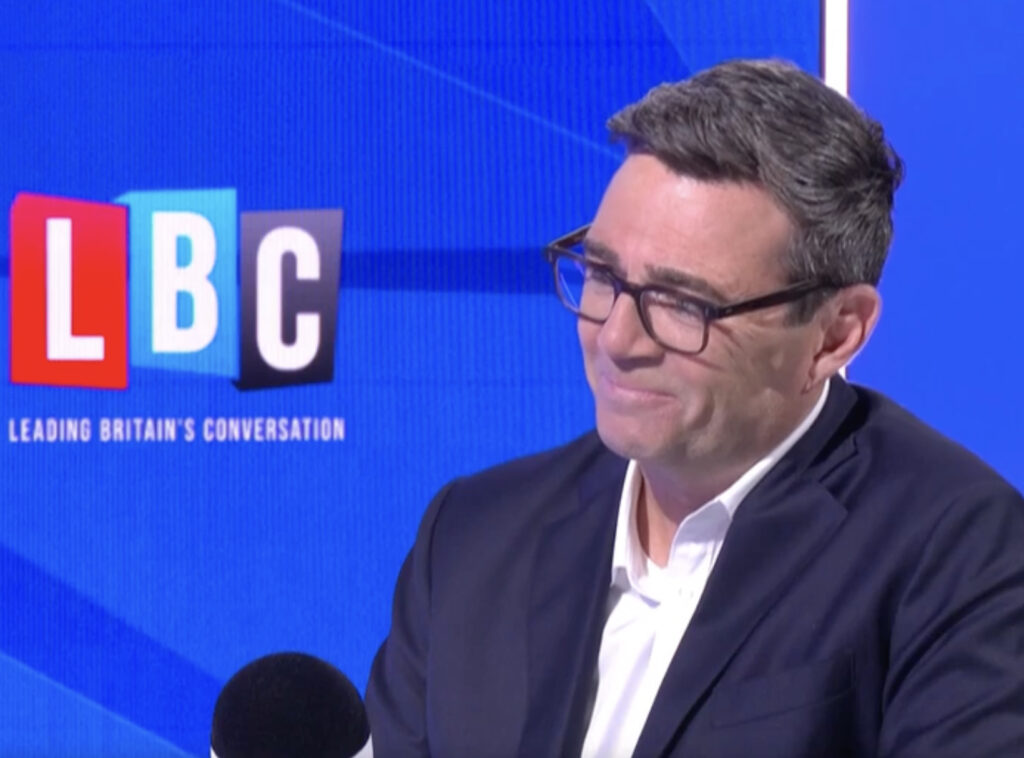
In keeping with this “stick but emote” strategy Burnham committed to fully funding the DIP in his interview with Andrew Marr (LBC, 2nd July 2026 “PM-in-waiting Andy Burnham joins Andrew Marr”; video also available) but has not made any attempt to explain how.
”I will take my responsibilities fully to fund the defence investment plan” sounded clear, but was followed by the far from clear “If I’m in the position to do so, I will take those responsibilities extremely seriously. No compromise on the safely of the nation.” What does this actually mean?
In an earlier incarnation Chancellor Reeves would have described this financing gap as an “unfunded Black Hole”, but selective short-term amnesia seems to have struck again.
Nigel Farage does the Hokey-Cokey
I put my right hand in,
I put my right hand out,
In out, in out.
Shake it all about.
After an obviously organised string of Press revelations about donations (Harborne, Cottrell) and lobbying (Bank of England), Farage abruptly resigned his seat as an MP to force a by-election, claiming that he wants to give voters the “final say”, but more obviously trying to get out in front of the Parliamentary Standards Commissioner’s investigation.
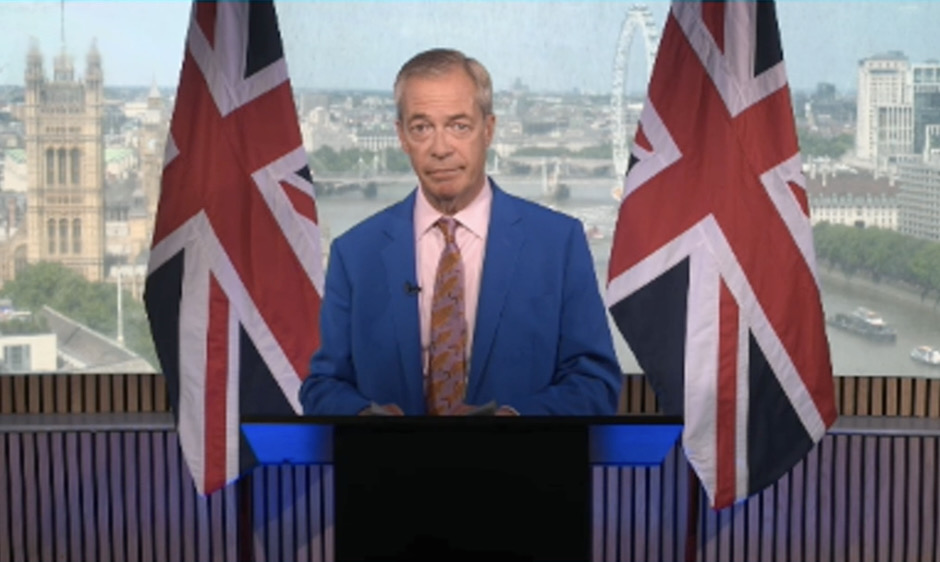
This stunt, for stunt it is, begs the question: “Can Reform become an institution, or does it remain The Party of Nigel Farage forever?”
Watching Farage’s announcement (Union Jacks, podium, view over Thames) it seemed as if he had been particularly shaken by Sky News doorstepping his daughter, although their defence “On a single occasion, we approached the property without a camera operator, identified ourselves as Sky News and the adult occupant chose not to engage. We were seeking to contact Mr Farage to ask questions about the gift he accepted from Mr Cottrell” does not seem like the sort of incident to justify Farage’s plot loss, or for the associated meltdowns from Robert Jenrick, and Laila Cunningham.
The episode reinforces the impression that Reform remains heavily dependent on Nigel Farage personally, raising continuing questions about whether it has yet developed the institutional depth expected of a party seeking government.
The Shambles of Hormuz
During the week Trump simultaneously announced negotiations, intensified military action and suggested further talks remained possible. Iran responded with attacks across the Gulf while insisting negotiations continued. The result is the curious spectacle of a conflict that appears simultaneously to be escalating and being negotiated.
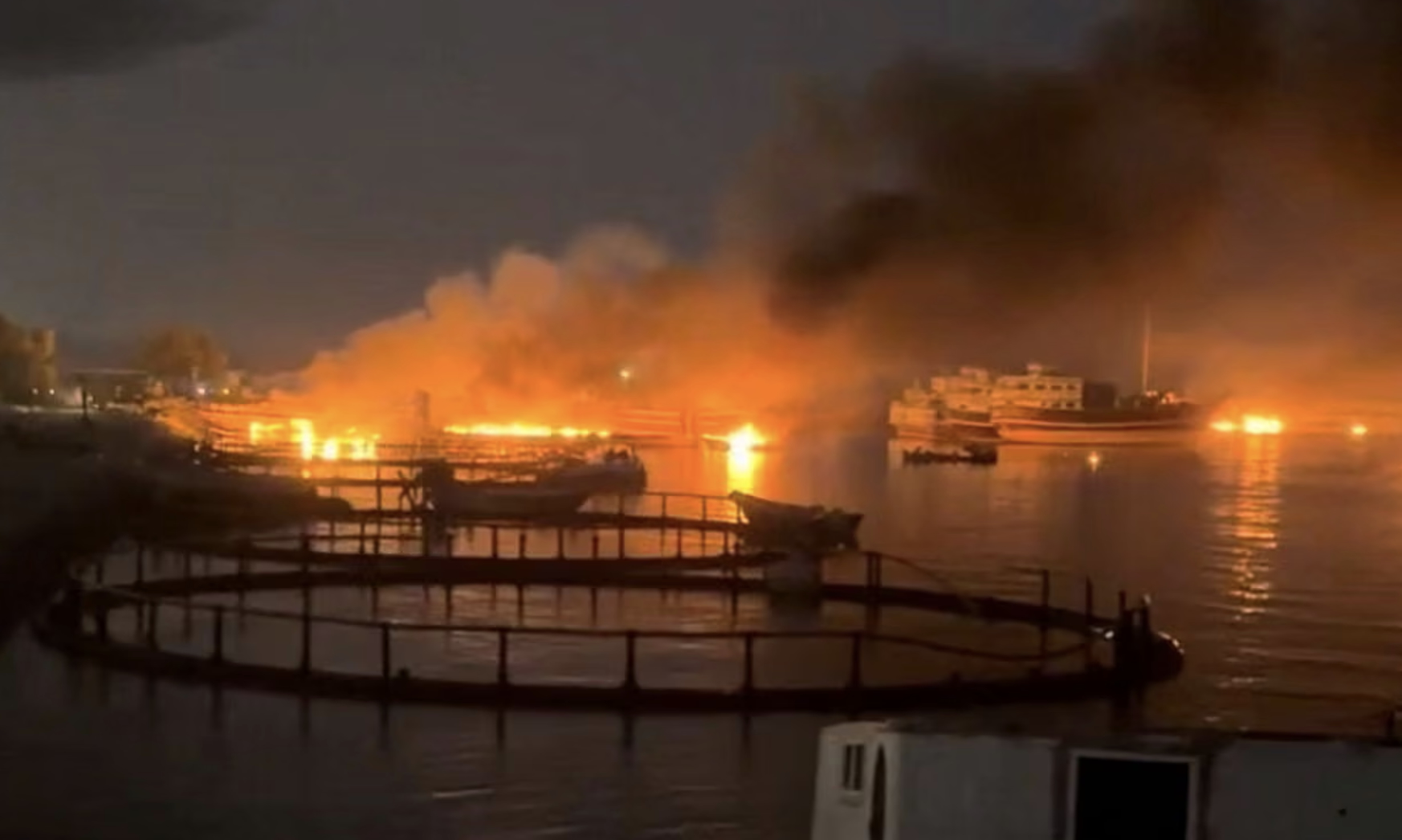
When is a war not a war? When there’s a Trump MoU of course. “Onwards to victory!”
“Capability” in every arena, domestic and foreign, old ministries and new, seems to be locked in a downward spital. Various players are exhibiting a worrying lack of a clue of a hope of a chance of resolutions. Whether in Westminster, Makerfield, or the Strait of Hormuz, capability increasingly appears to be the decisive political question. Promises are plentiful. Institutions capable of implementing them seem exceedingly rare.
Check us out on insta @theworldofukpolitics
Leave a Reply
You must be logged in to post a comment.