Welcome to Governmenting.
Parliament returned this week, which was inconvenient for almost everybody.
For Andy Burnham, it meant the end of the forgiving period in which a new Prime Minister can talk principally about what his government intends to become (for the length of which he has surely earned some sort of UK and All-comers record.) On Tuesday, the King of the North finally had to explain to the Commons what he actually intended to do.
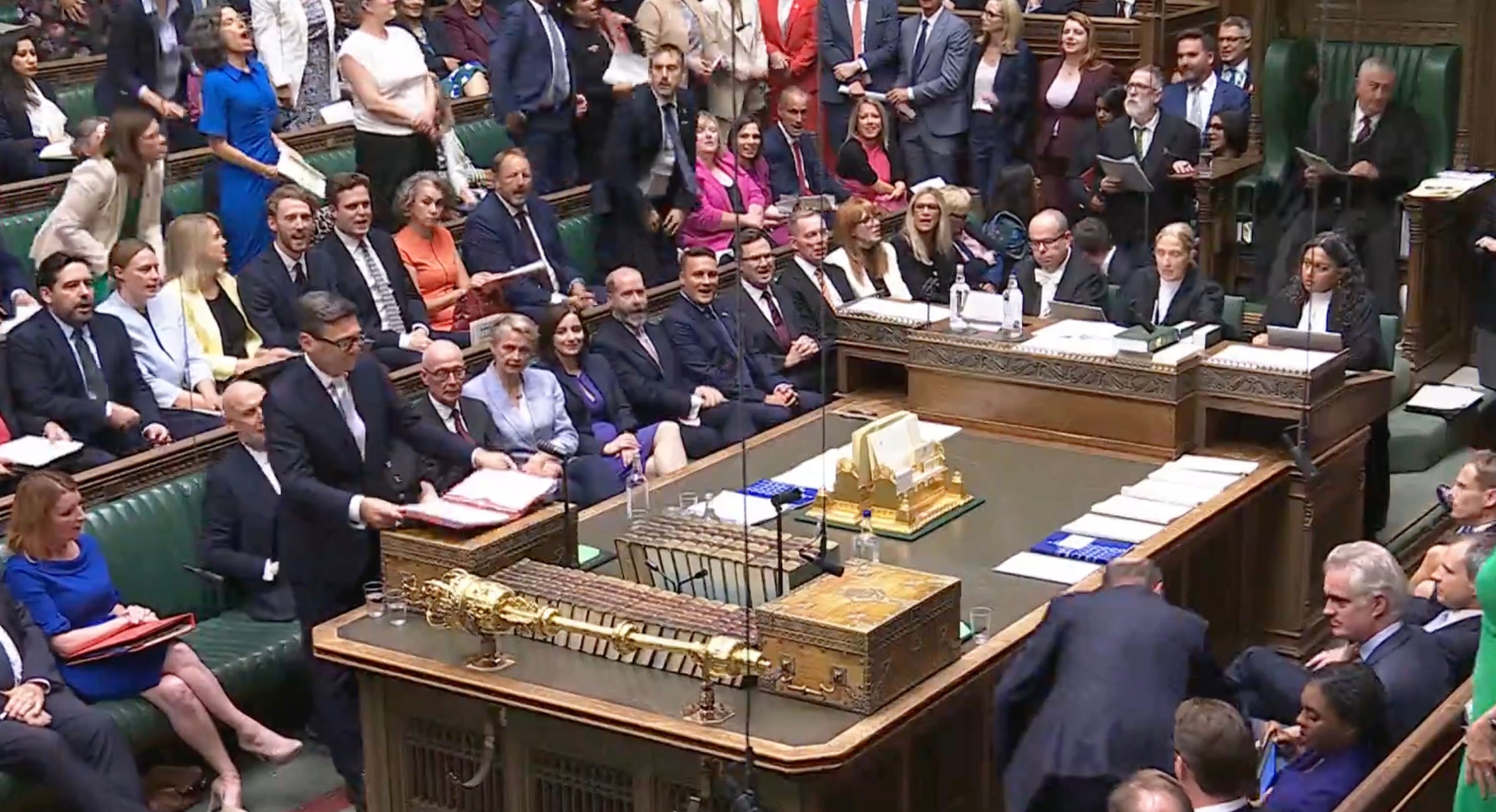
By Wednesday, he had performed his first U turn. Welcome to governmenting.
From vision to reality
Burnham’s first major Commons statement as Prime Minister lasted over three hours and was intended to set out his government’s broader vision. (Without tooting one’s own horn, this was brilliantly covered in a splendid and, in comparison to the session itself, very brief, posting in our “Commons Weekly” thread on our exciting new substack.)
The heart of Burnham’s “vision” appears to be a combination of further regional devolution, largely through the ubiquitous panacea of regional mayors and greater public control of essential services without embarking on the rather expensive business of actually re-nationalising them and compensating all those wicked, wicked shareholders. (Repeat after me: “profit, evil; state control, good.” You’ll get it eventually.)
There may be something substantial in this, but it emerged rather chaotically through three hours of questions and answers and demonstrated one of the differences between announcing a political direction and turning it into a programme of government.
The timing was not helped by Sir Keir Starmer, who chose the beginning of Burnham’s first major Commons appearance to announce one final U-turn of his own. Sir Keir directly and unequivocally confirmed to the BBC’s Henry Zeffman in his “exit interview” on 3rd July that he intended to remain an MP for the rest of this Parliament:
Zeffman: “You’re going to stay as an MP?”
BBC News, 3rd July 2026
Starmer: “I’m going to stay as an MP.”
Zeffman: “Until the next election?”
Starmer: “Yes.”
But, as Burnham entered the House to make his first Prime Ministerial statement Starmer announced his immediate resignation as the Member for Holborn & St Pancras.
Revenge is a dish best served cold etc. It is sweet, however, that Starmer’s final act should be a U-Turn. Nothing if not consistent.
The following day brought Burnham’s first PMQs and, more significantly, following where Starmer showed the way, the new PM’s first documented policy reversal as he confimed the announcement rather strangely released on Sunday, that those convicted of any form of “unlawful killing” and those who have caused death by dangerous driving will be excluded from the government’s early prisoner release scheme.
There is nothing especially remarkable about a government changing policy when confronted by an objection it had not adequately considered. Indeed, as I have argued elsewhere, the ability to recognise that something is wrong and change it ought to be regarded as a strength rather than an automatic confession of incompetence.
It is nevertheless striking how quickly political intention has encountered governing reality. For those more interested in the “machinery of government” angle, it is also noteworthy that the announcement of the changes to the early release scheme was not accompanied by any explanation of how the government proposes to cope with the additional prisoner numbers these changes and the accompanying termination of Imprisonment for Public Protection sentences, will cause. Guess we’re just going to fly blind on that one. The BBC helpfully estimated that about 1,400 prisoners who would have been due for early release will now remain in prison this year rather than being released (Dominic Casciani, BBC News, 2nd September 2026 “About 700 prisoners to be freed on 1 October under revised early release plans.”)
The machinery begins to bite
The same problem was visible elsewhere.
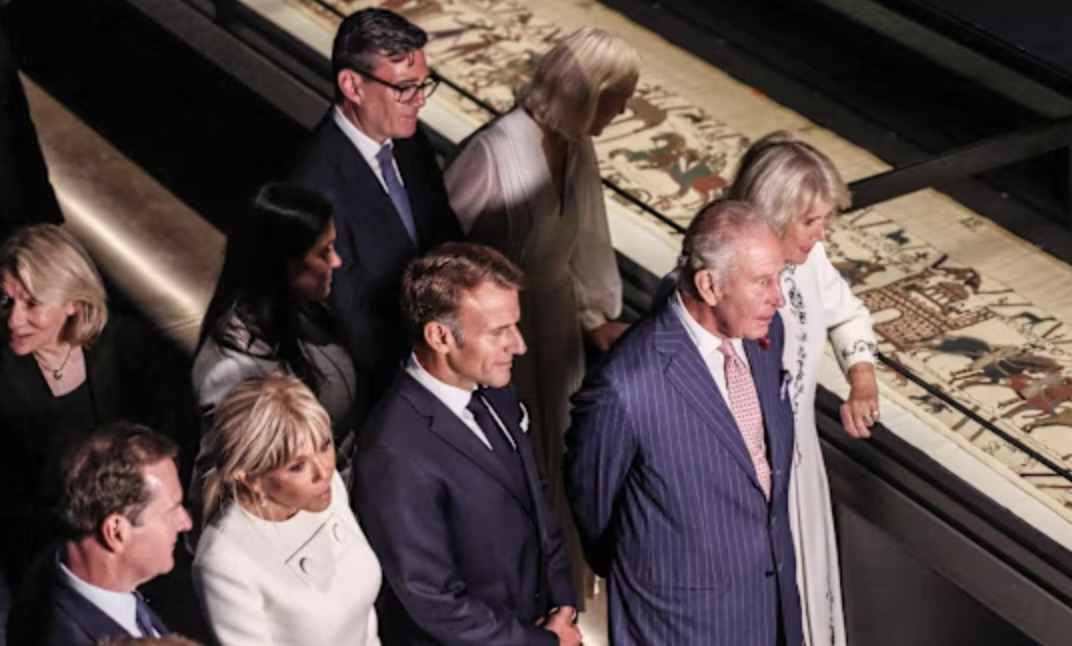
Emmanuel Macron popped over to London to inspect the Bayeux Tapestry at its new temporary home in the British Museum.
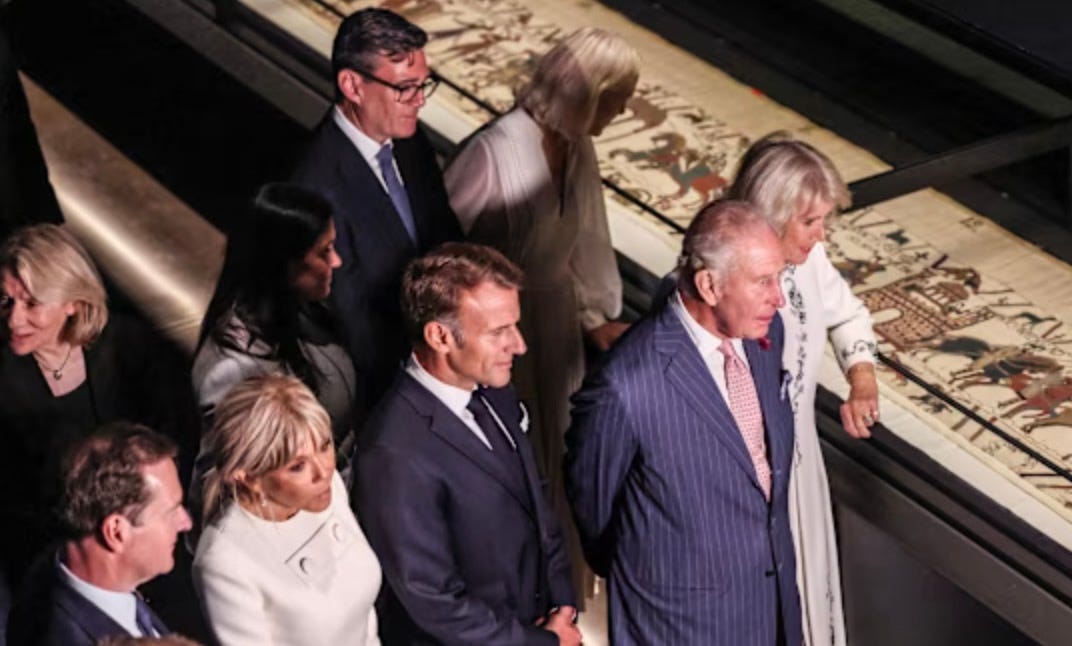
The jovial and rather huggy leaders predictably announced increased Anglo-French cooperation to reduce small boat crossings, alongside joint action to increase production of Storm Shadow/SCALP missiles in Ukraine. The symbolism is straightforward, implementation rather less so. Even HMG’s own announcement of the consequences of the Burnham-Macron meeting struggled to find any actual implementable detail.
Small boat crossings cannot be resolved by the British government alone. Missile production requires industrial capacity as well as ministerial enthusiasm. Even relations with France involve the occasionally tiresome complication that the French government has ideas of its own. Burnham’s early decision to revoke the digital ID initiative will not have gone over well with the French who regarded it as an essential levelling of the playing field and massive step towards making “grey” employment more difficult in the UK and therefore reducing one of the most significant “pull” factors (Leader, The Observer, 2nd August 2025 “The Observer view on digital ID cards: a useful tool in immigration policy.”)
Then there is Defence spending. Having already delayed confirmation of funding for the Defence Investment Plan until the 2027 spending round, almost fresh from his visit to Kyiv, Burnham appears to have ordered a pause in “non-essential” Army training exercises (Jonathan Beale, BBC News, 2nd September 2026 “British Army told to stop non-essential training exercises to save money in an effort to save around £30million.”) As a scaling point, Burnham’s announcement of the extension of the £2.00 bus fare cap was costed at £500m. Every penny helps I suppose.
There is something revealing about a government simultaneously talking about increasing Britain’s defence capability while attempting to save a comparatively tiny amount of money by reducing the training undertaken by the people expected to provide it. There is nothing unusual about governments discovering that governing is more complicated than opposition. What is striking is how quickly the discovery has arrived in Burnhamland.
Burnham has spent much of his first weeks in office talking about restoring authority to government. This week offered an early reminder that authority and capacity are not the same thing and, for bonus points, also demonstrated that “likeability” is useful, but not much help in getting actual things done.
Reform discovers machinery too
If Burnham is discovering the difficulties of operating a government, Reform UK spent much of its conference demonstrating that political organisations have machinery of their own. Reform’s machine does not appear to be running terribly smoothly. (Without becoming tediously repetitive, there’s a must-read analysis of Farage’s conference speech in our “Conference Despatches” thread.)
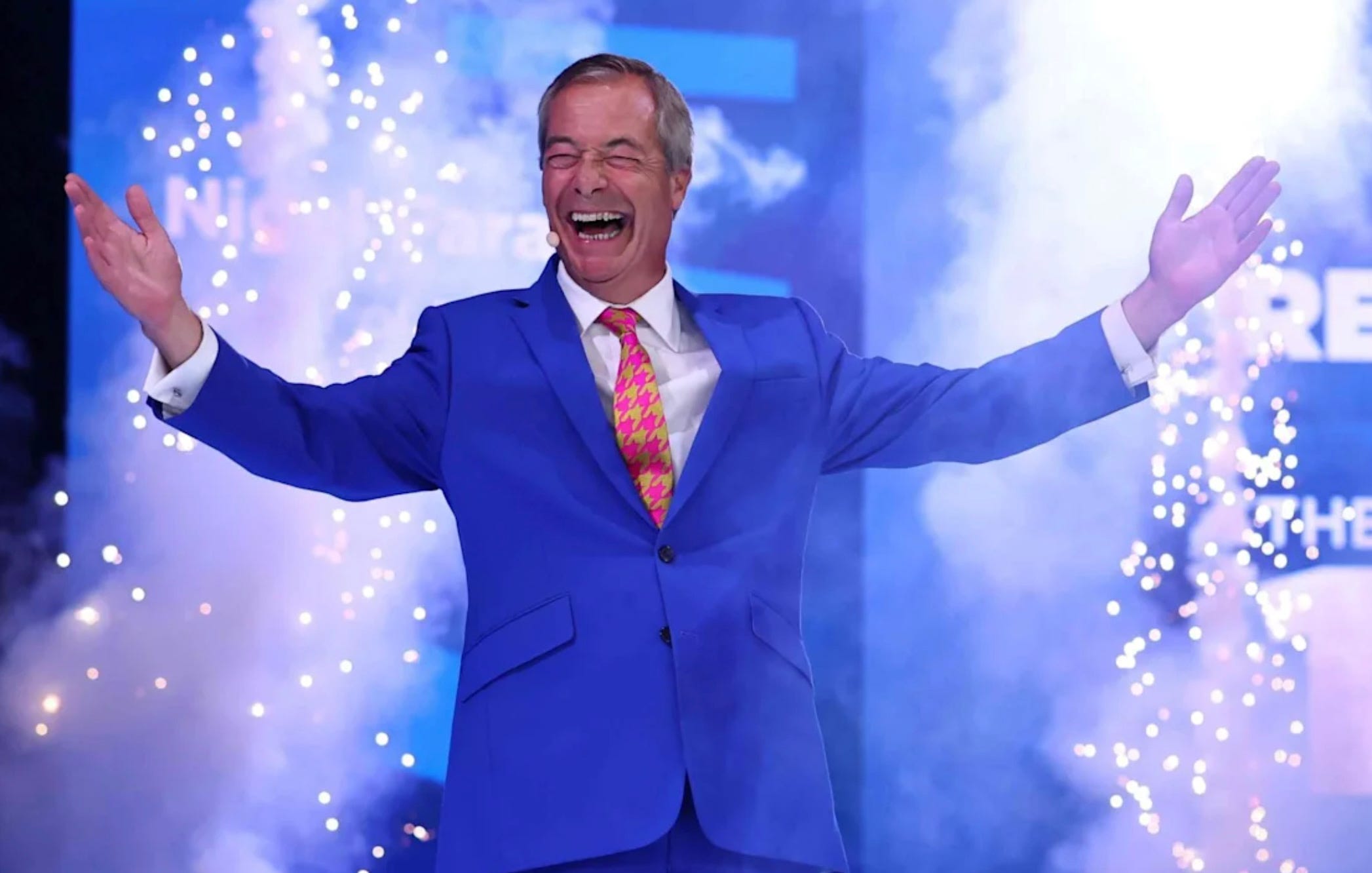
Reform’s voting intention poll lead has now evaporated. Restore appears to be making more progress on Reform’s right flank than might have been expected and Kemi Badenoch’s markedly improved Commons performances (and getting rid of the car-crash that was Robert Jenrick) has begun to make the Conservatives look rather more electorally plausible than they did a few months ago.
None of those external factors is disastrous for Reform, but it certainly ought to worry confirmed Reformers rather more than it seems to.
Head of Policy James Orr and Farage bagman Dan Jukes were suspended on the day of Nigel Farage’s conference speech after undercover reporters from the Centre for Climate Reporting’s “Verbatim” group filmed them appearing to discuss ways in which money from a wealthy American donor might be channelled into British political campaigning. This conversation was undertaken in Farage’s presence and his subsequent claim that he was not really listening (Laura Kuennsberg, BBC News, 5th September 2026 “Nigel Farage tells BBC he ‘wasn’t listening’ during foreign donor talks filmed undercover”) is almost as worrying as the attempt to find ways to disguise the sources of campaign finance itself.
Those allegations require proper investigation and Reform is entitled to answer them. But they arrive alongside increasingly visible internal arguments over strategy, personnel and the behaviour of senior figures on social media (Oliver Dean, Conservative Home, 17th August 2026 “O Zia, Zia, wherefore art thou Zia?” Yes, Conservative Home is hardly impartial, nevertheless Oliver Dean made a good point.)
There is also the continuing row over Christopher Harborne’s £5m donation to Farage and Farage’s petulant decision to call a by-election in Clapton, in which other parties, sans Count Binface, declined to field candidates. Farage’s Clacton Summer sideshow, was left obviously ineffective: the Parliamentary Standards Commissioner re-started the investigation in to the Harborne donation the day after Farage’s re-election.
However, the episode may have revealed something more interesting than the by-election itself. Reform’s leader appears capable of altering party strategy and procedure on a whim, with remarkably little visible internal restraint. For a party asking the electorate to entrust it with the machinery of the British state, that is not an entirely trivial concern. What’s Nigel going to do? Nuke Somalia on Thursday?
This mattered particularly because Reform simultaneously used its conference to announce a reasonably ambitious economic proposal: £80bn of reductions in public spending, to be used in part to fund an increase in the personal tax allowance to £15,000. This was not exactly a “new” thought from Genius Jenrick, it was announced in May 2025 (Andrew Sparrow, The Guardian, 25th May 2025 “Reform UK’s income tax plans ‘to cost up to £80bn’.”) Still, full marks for re-packaging to the human Brownian Motion Machine that is Robert Jenrick.
There is legitimate political argument to be had about whether government should spend £80bn less, but there is another question: can Reform identify, agree and deliver £80bn of spending reductions? Unproven as a Scotch lawyer might say.
Reform spent its conference explaining what it would do with power while simultaneously raising rather more immediate questions about how it exercises power within its own organisation. Farage looks on the point of giving it all up again.
Outside Westminster
Meanwhile, in Dover, something rather uglier was happening.
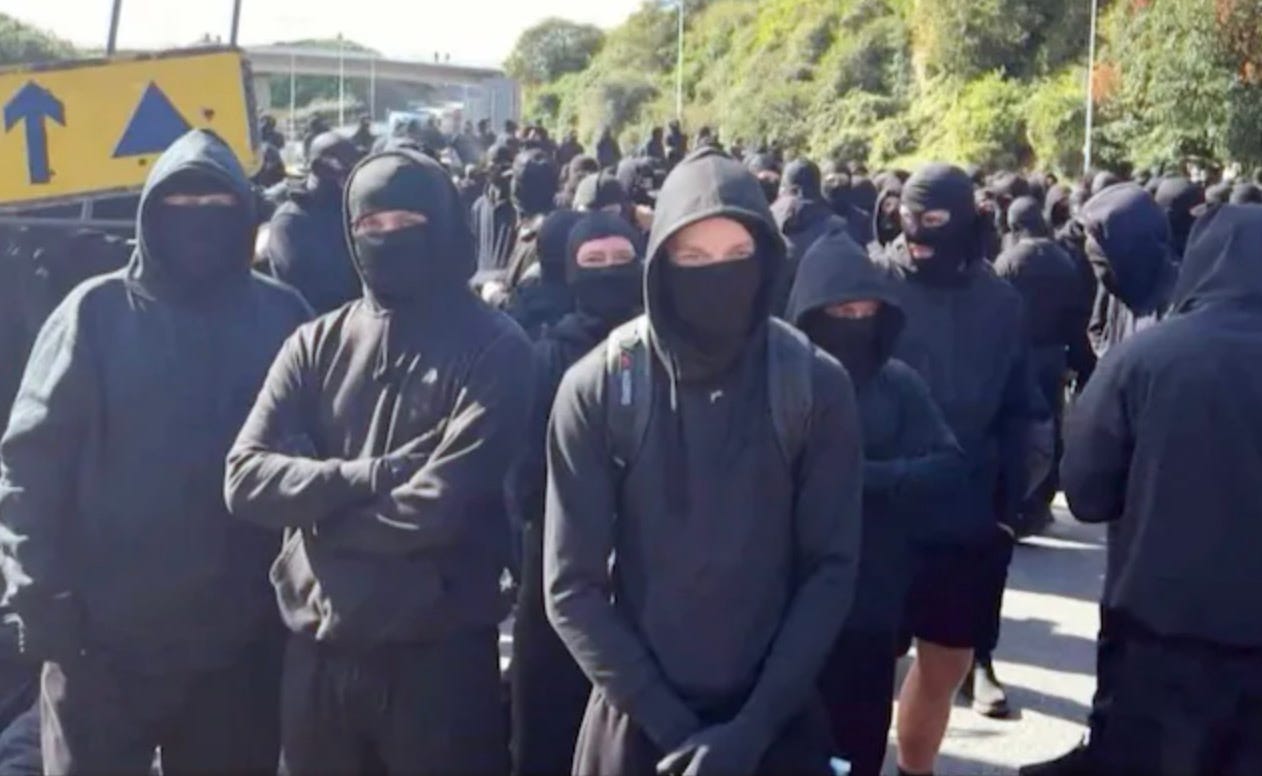
On Saturday morning hundreds of what appeared to be mostly middle-aged white men, many dressed in black and wearing balaclavas, descended on the town chanting “Stop the Boats” and “Send them Back” (Patrick Sawer & Steve Bird, The Daily Telegraph [PAYWALL], 5th September 2026 “Dover anti-migrant blockade ‘exposes police failures’.”)
The disruption brought parts of Dover, including the port, to a halt for several hours before the group was eventually persuaded to disperse, mostly by train and without serious violence.
The visual effect was disturbing. Hundreds of masked men in black shirts marching through an English town inevitably carried echoes that anyone familiar with Oswald Mosley might reasonably prefer not to see repeated.
The episode also points towards something conventional politics should probably pay rather more attention to: immigration, particularly the “Small Boats” crisis, has become one of the main outlets for a broader sense of political disenfranchisement and anger. Most people concerned about immigration do not march around wearing balaclavas, but when part of that anger begins to organise itself outside conventional political structures, it is worth asking whether those structures are processing and reflecting that anger adequately.
Perhaps equally striking was how little national attention the episode attracted. Whether that reflects editorial judgement, discomfort about amplifying extremist protest, or simply a crowded news day (not really), hundreds of masked men shutting down a major British port ought not to feel entirely routine. The Guardian carried news of this demonstration in its “Kent” section. (Donna Ferguson & Priya Bharadia, The Guardian, 5th September, 2026 “Black-clad protesters in balaclavas block road at port of Dover in Kent.”) Strictly true, but sufficient?
Meanwhile, in the South Atlantic…
Argentine President Javier Milei reheated his country’s claim to the Falkland Islands this week and threatened sanctions against companies involved in oil exploration around the islands (Will Grant, Chris Graham & Peter Hoskins, BBC News, 4th September 2026 “Argentine leader threatens to sanction oil firms and reiterates Falklands claim.”)
No 10 responded by reiterating that British support for the islanders remains “unwavering”, while Reform figures competed to explain the military and economic measures a Farage government might take in response (Sabrina Miller, Janet Eastham & Dominic Penna, The Daily Telegraph [PAYWALL] 5th September 2026 “Jenrick: Farage would ‘crush’ Argentina over Falklands.” (Jenrick again, gah!)
For a brief period TWOP theorised that there might be something considerably more elaborate going on. Readers of Miscellany have already suffered the consequences, but the Netanyahu-Trump-Milei conspiracy theory was far-fetched.
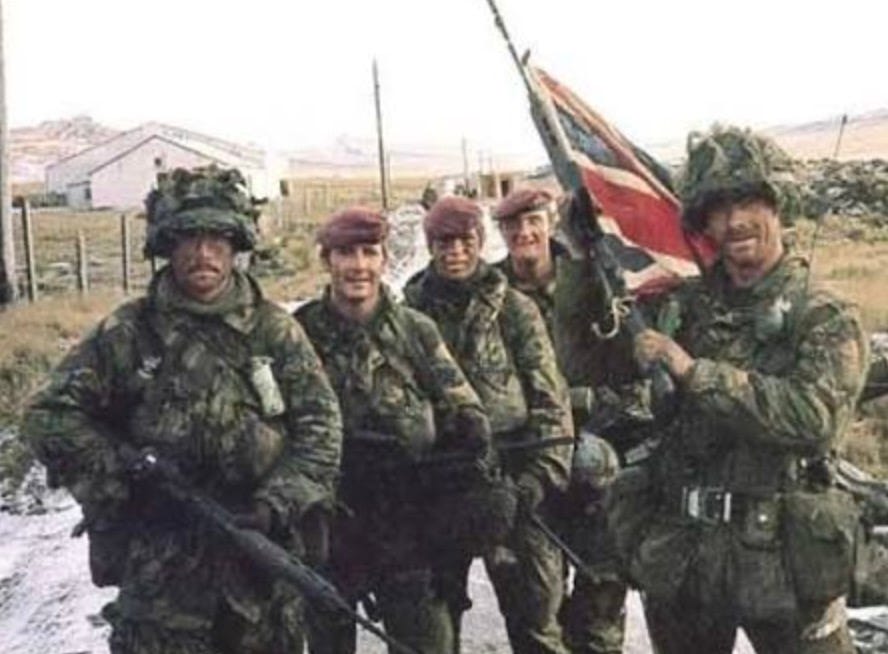
The timing coincided rather neatly with American pressure on Britain to increase defence spending, continuing irritation in Washington over Sir Keir Starmer’s refusal to support the apparently never-ending Israeli-American intervention in Iran against the backdrop of Milei’s unusually close relationship with The Donald.
Regrettably, the evidence suggests that the likelier explanation is not a grand geopolitical conspiracy at all, but merely the more mundane spectacle of governments identifying whatever diplomatic leverage happens to be available and giving it a go.
And finally…
Jared Kushner and Steve Witkoff, the C Team of international diplomacy, popped over to Moscow on Saturday for lunch and another chat with best bud Kirill Dmitriev before meeting Vladimir Putin (Ivan Nechepurenko, New York Times [PAYWALL], 5th September 2026 “Putin Meets Witkoff and Kushner in Moscow to Discuss Ukraine War.”)
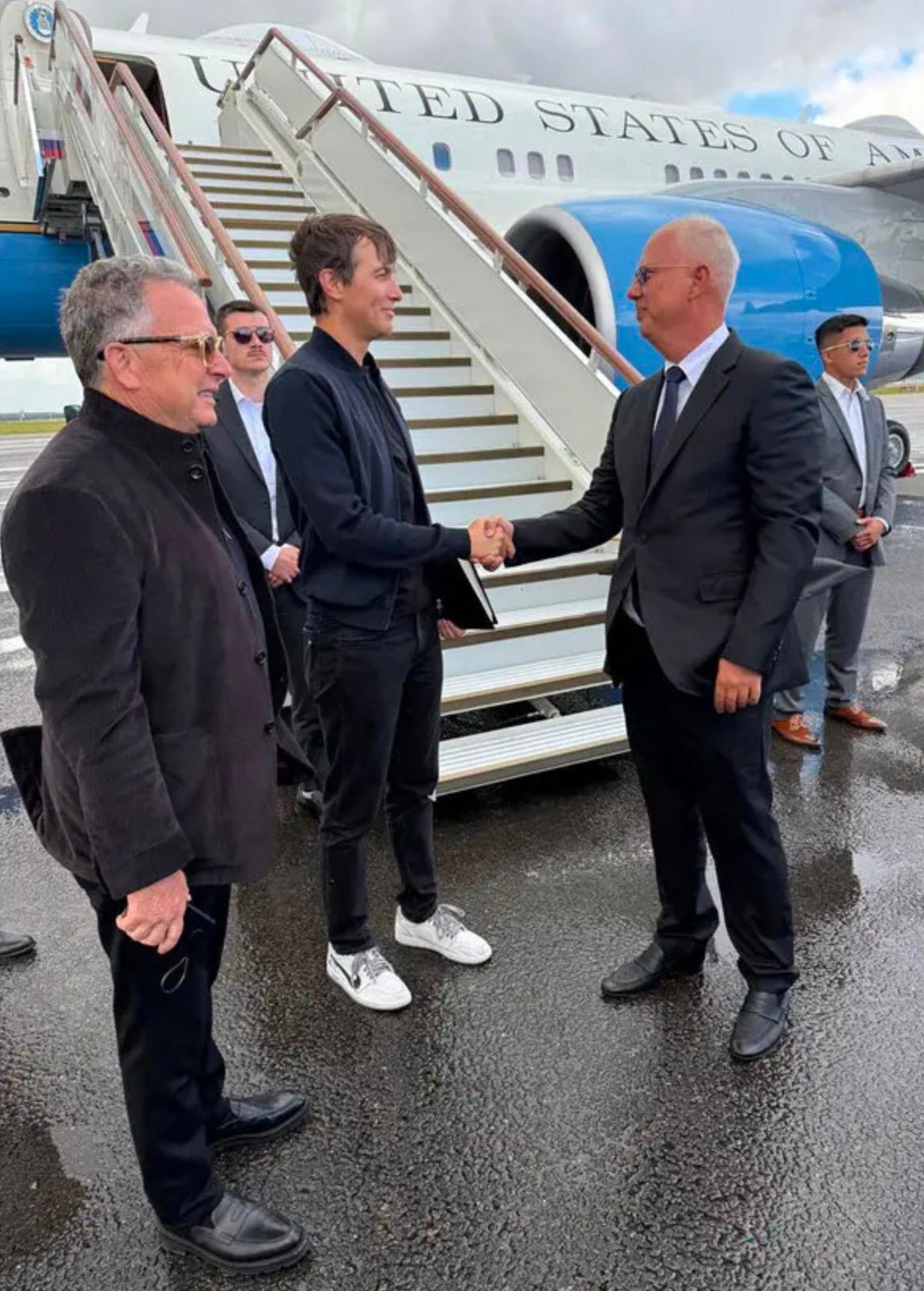
Missile attacks on Kyiv were at least suspended for the duration of their visit. Perhaps they should stay in Moscow longer? That would at least extend the period of quiet in Kyiv, as it is impossible to see how Witkoff’s and Kushner’s pro-Russian “negotiating” stance is ever going to convince Ukraine to take American-organised initiatives seriously.
Check us out on insta @theworldofukpolitics and now at theworldofpolitics.substack.com too!
Leave a Reply
You must be logged in to post a comment.