In Office, but is Anyone in Power?
Andy Burnham has been Prime Minister for four weeks. He is already discovering the difference between authority and control.
“Governing” ate the Listening Tour?
Four weeks ago, Andy Burnham arrived at No 10 promising energy, visibility and reconnection. Two weeks of announcements followed. Some of them involved pork scratchings. But now the “Cost of Living/Listening Tour” seems to have been diverted from its agenda-setting purpose, by “events.”
theworldofpolitics is a reader-supported publication. To receive new posts and support my work, consider becoming a free or paid subscriber.
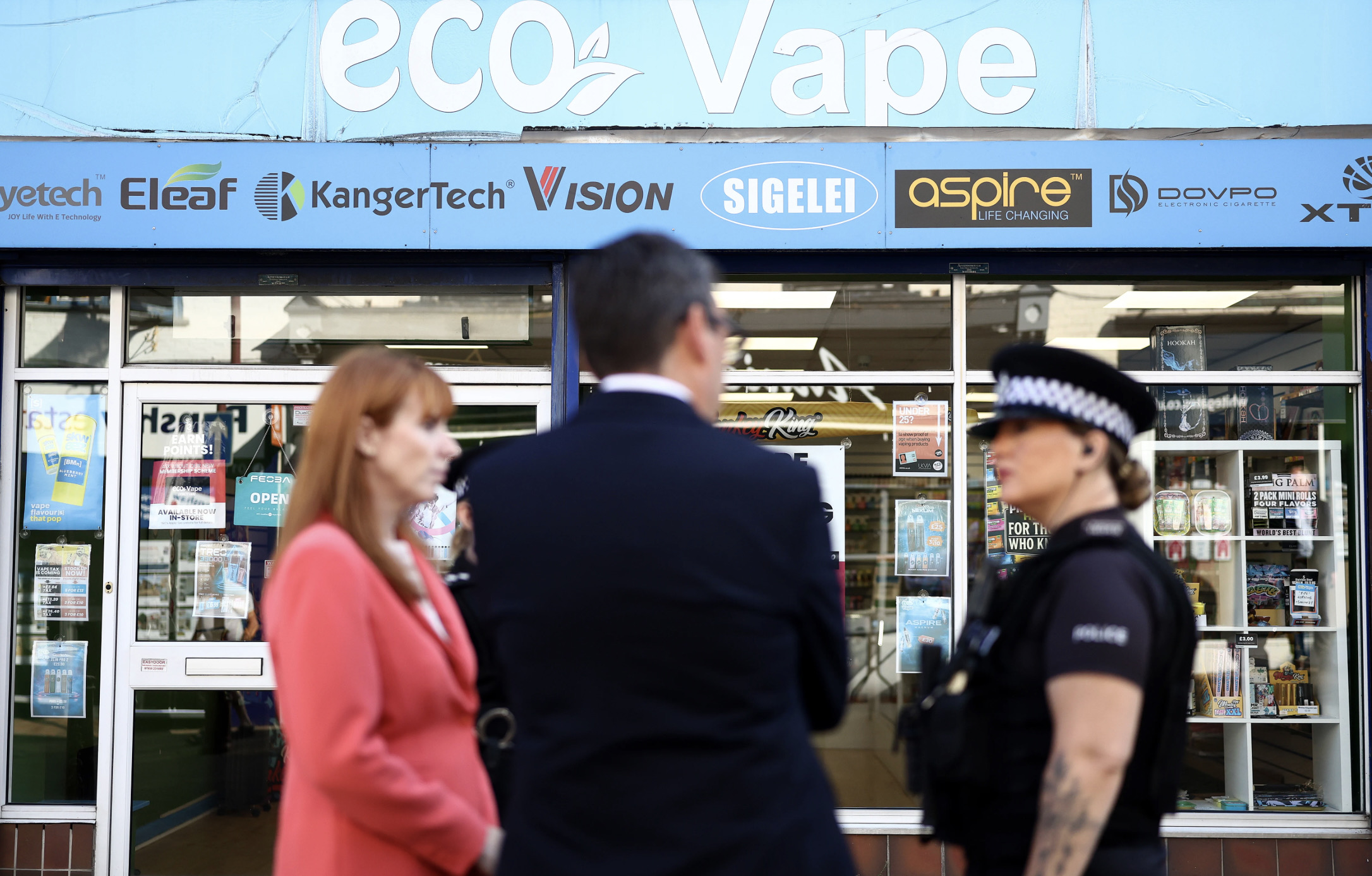
Tuesday brought Ilkeston and Angela Rayner’s crackdown on vape and betting shops; Wednesday saw carers in Stevenage thanked. By Thursday Burnham was back in London chairing a COBRA meeting about wildfires. On Friday the PM was dispatched to the Met Office in Exeter and a fire command centre in Stourbridge. Saturday finally returned him to something resembling the intended tour: a potato farm in Cornwall to commiserate with drought-hit farmers.
The Listening Tour had not really disappeared; governing had eaten it.
This should stop being surprising: No.10 looks enormously powerful from outside, but new Prime Ministers can easily spend all their time just reacting to each day’s events.
The Institute for Government’s March 2024 “Power with Purpose” report’s central argument was that the existing centre of government – No.10, the Cabinet Office and HM Treasury – is simply not structured to give Prime Ministers the strategic control they need.
Leadership as performance: the wildfires
The wildfire response reveals a Prime Minister doing all the visible things a leader is expected to do. Britain is a “tinderbox”, Burnham deployed 200 military personnel, banned disposable barbecues and authorized the first national mobile phone emergency alert. Every mobile in England and Wales screamed, some with feeling, many with irony.
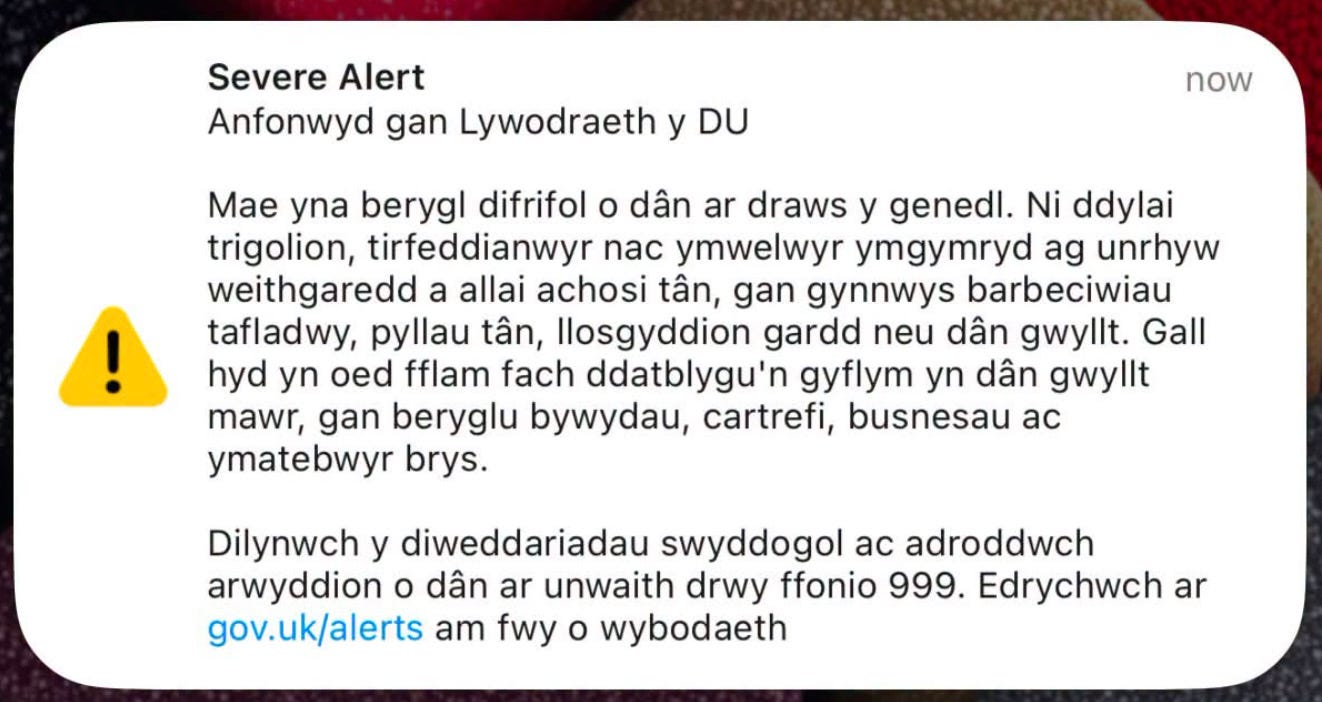
People know the Government is doing something, but then people reportedly start ringing 999 to report neighbours having barbecues and fire services have to ask them to stop and innate British cynicism latches on to the Emergency Alert as a meme. Sunday lunches across the land have been amused by 11-year-olds imitating the Emergency Alert klaxon (well, the first 17 times.)
Never has government action been quite so audible, but what did it achieve? Calling in the Gurkhas is not necessarily performative nonsense – they dig a firebreak trench faster than many regiments can choose appropriate epaulettes – but does modern political leadership increasingly confuse looking in control with actually possessing control?
Leadership meets the State: Zero-hours Contracts and EVs
The Government wants to reform zero-hours contracts. Fine. That is leadership in the conventional sense: problem identified, political objective established, legislation proposed. Then implementation turns up.
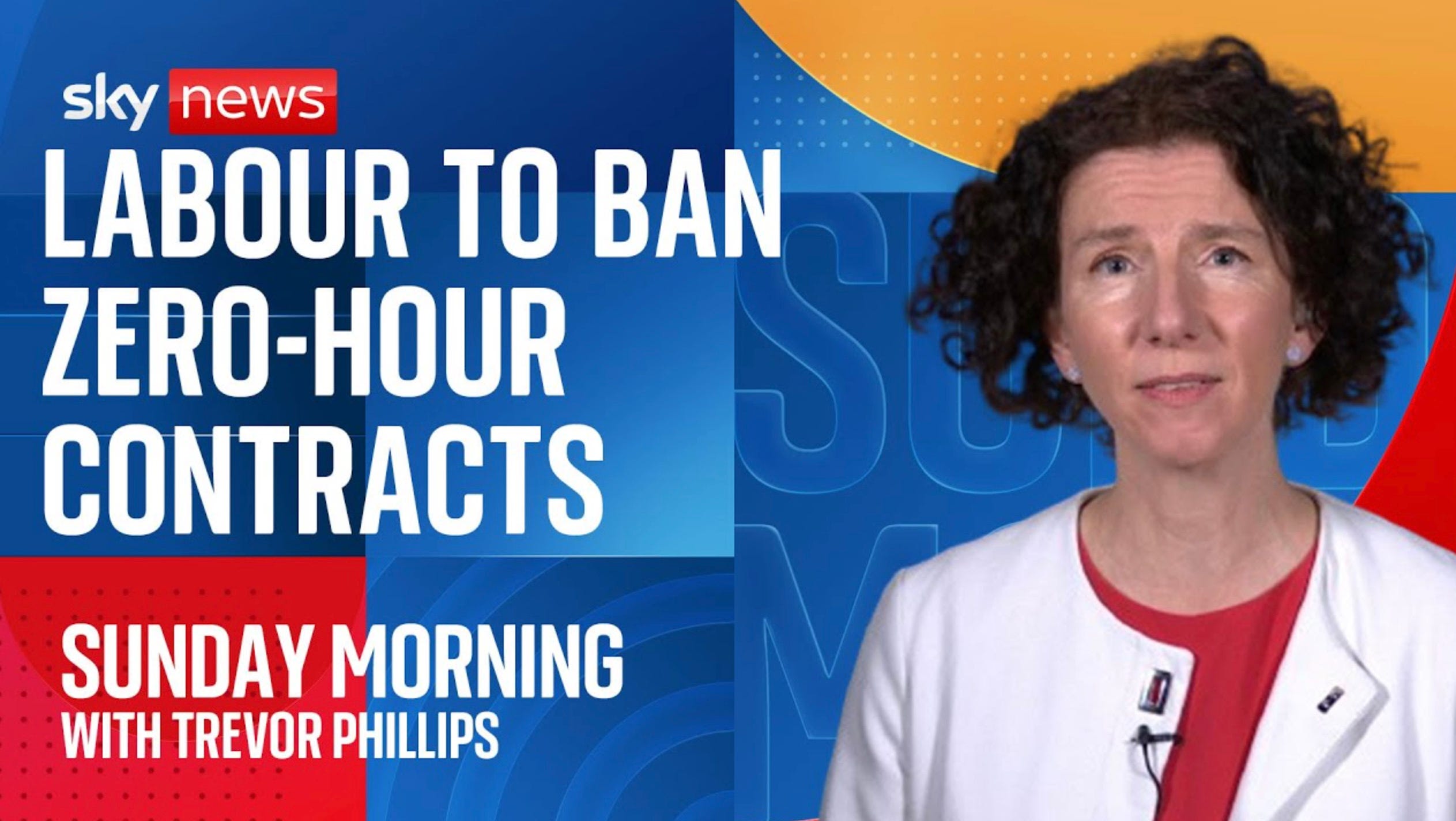
The government’s own assessment suggests possible employer costs of £350m-£2.9bn annually, with hospitality and other flexible-work sectors warning of consequences for jobs and staffing. The Government argues there are compensating productivity and wellbeing gains. Both may be true, but what does leadership mean when every available choice has consequences that cannot simply be “announced” away?
The same collision between political intention and things government cannot directly command is visible elsewhere: the current EV policy goal is that 80% of new-car sales should be zero-emission by 2030. Manufacturers, supply chains and consumers say: “erm…” and HMG is now “consulting” on options that could reduce the 2030 target to 50% and delaying the 80% objective until 2035.
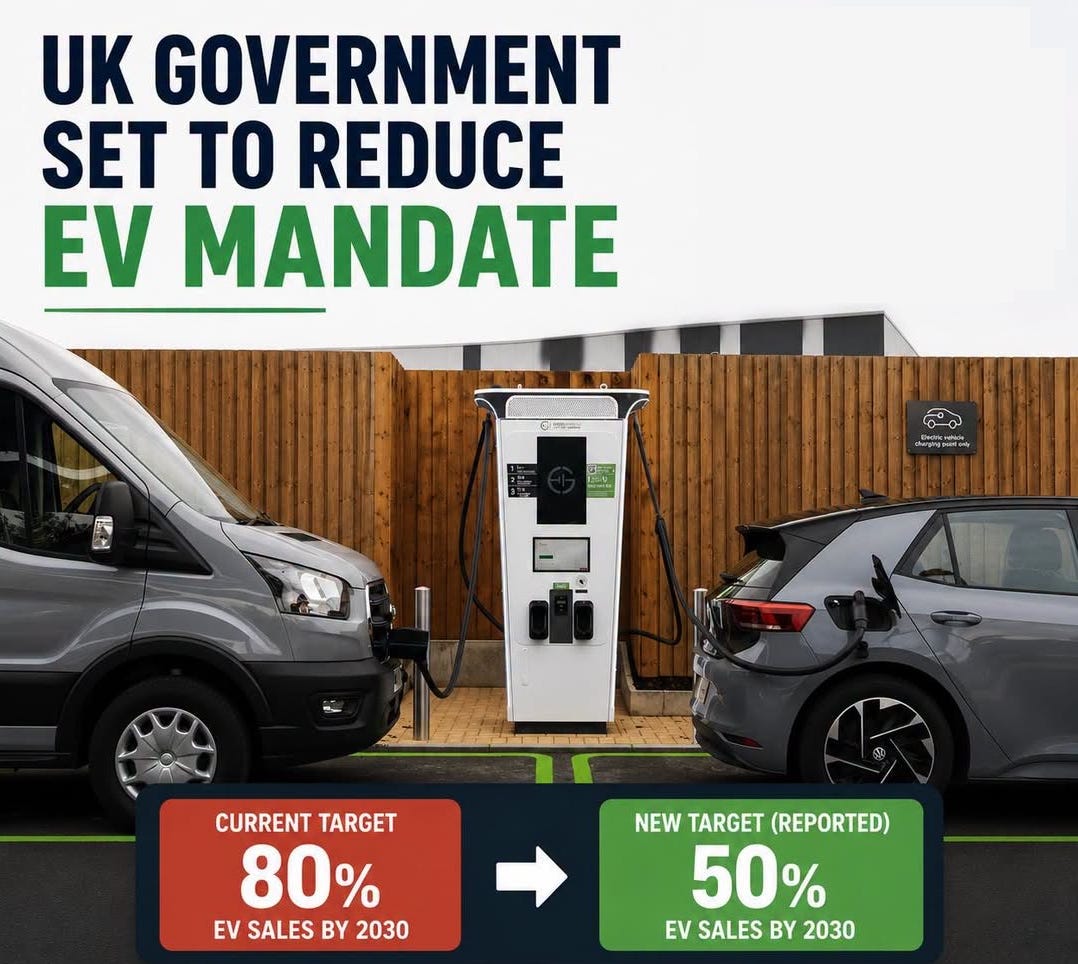
Political leadership cannot consist merely of refusing to notice inconvenient facts. But nor can governing consist of abandoning objectives whenever implementation becomes difficult. Somewhere between these two positions lies effective political leadership.
Reform UK’s Welfare Proposal
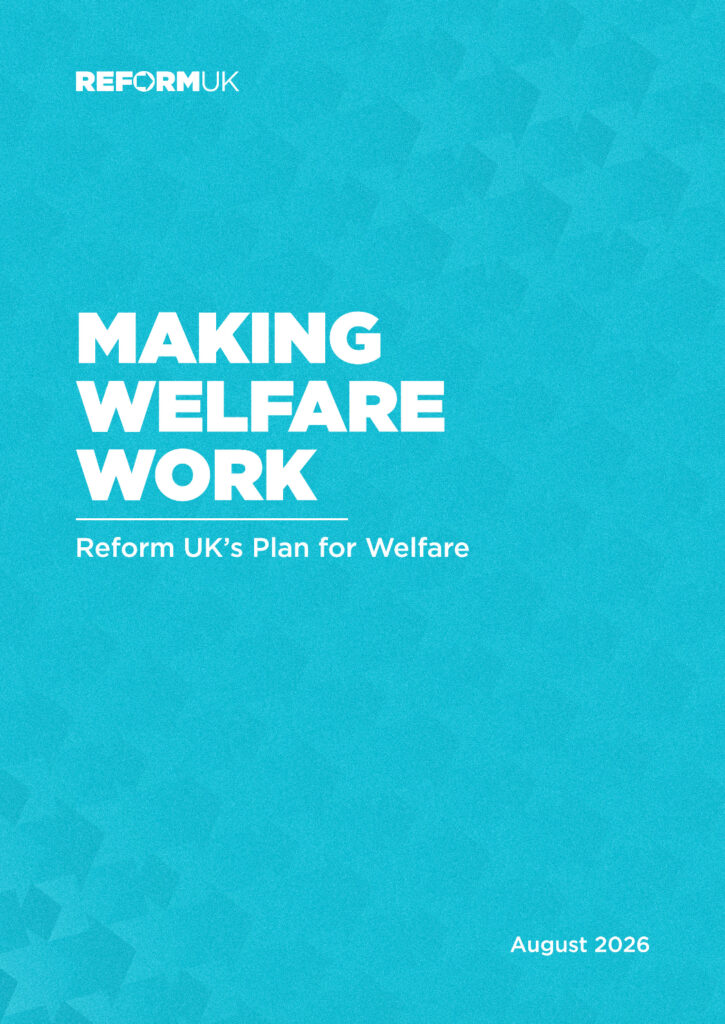
Pipsqueak Jenrick (16th August 2026, Sunday Telegraph [PAYWALL] “Dumping young people on welfare isn’t compassion, it’s neglect”) pre-announced Reform UK’s Monday release of “Making Welfare Work”: a 50-page proposal that aims to identify a £50bn headline reduction in the UK’s £300bn welfare bill: eye-catchingly led by £22bn from the removal (sorry, restructuring) of disability benefits.
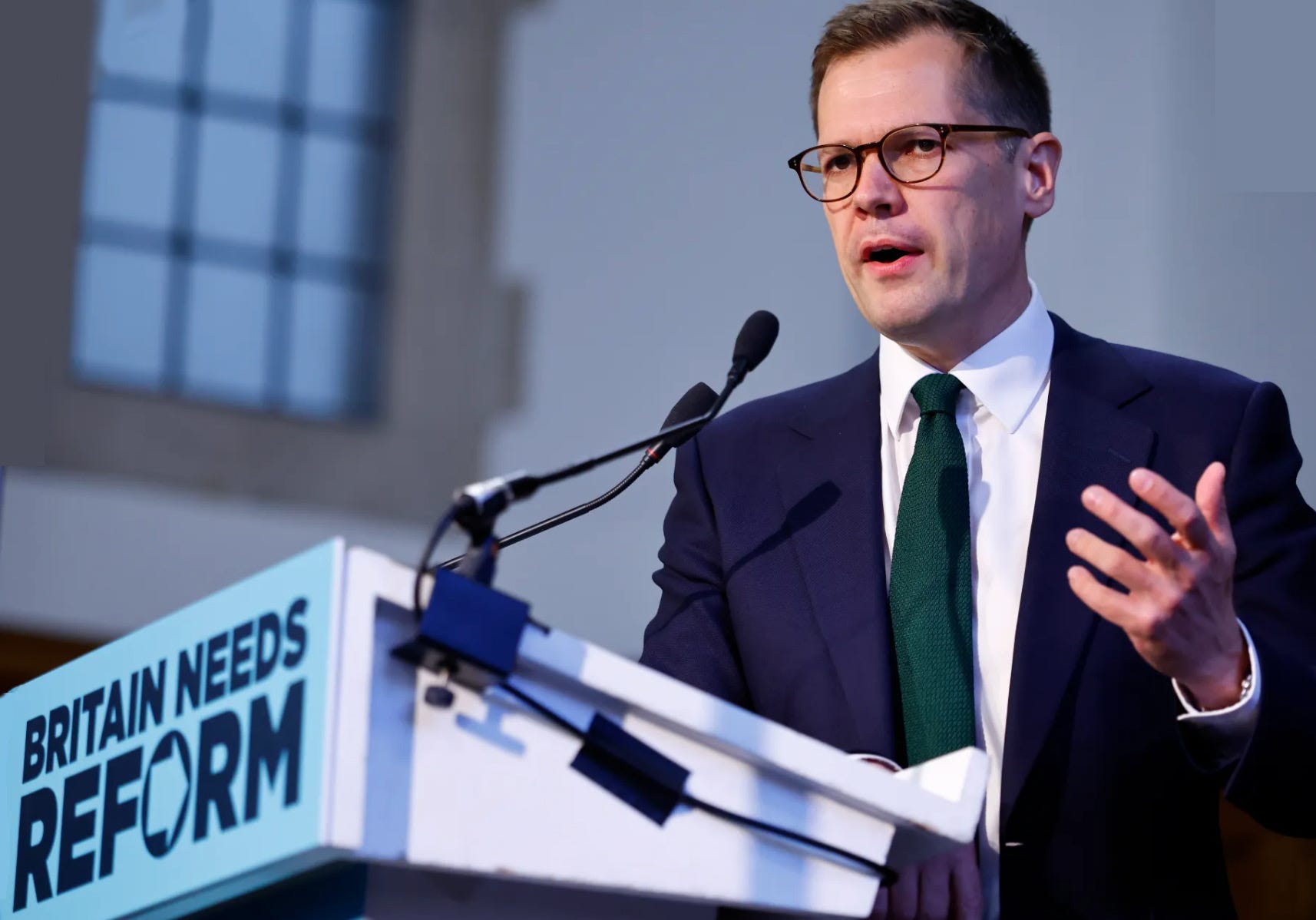
Whether or not Reform UK are ever in a position to enact this scale of programme (and that looks decreasingly likely, mostly because of the Farage Flounder rather than the Burnham Bounce), this proposal is an Overton Window exercise. Reform seeks to redefine the limits within which welfare spending will be discussed. PIP and health-related UC changes, new assessment mechanisms, employer insurance and council-administered support are all on Reform’s table, but they do not have the responsibility of implementing these ideas.
Opposition possesses one form of power that government loses: the power to imagine without immediately implementing. Farage can move the political boundary by saying something. Burnham has to ask the Treasury, Government lawyers, Parliament, local authorities, employers and the public before he can get anything done.

This highlights a paradox: Reform currently has very little formal power, but considerable freedom to alter the political agenda. Burnham now possesses vastly more formal power, but every attempt to exercise it immediately encounters institutions, interests and consequences that he cannot simply command.
The Prime Minister has formidable resources: appointments, control of government priorities, chairmanship of Cabinet and political authority over ministers. Formally, Cabinet remains the senior decision-making body and its decisions bind government, but the PM does not personally run hospitals, build houses, employ care workers, manufacture cars, extinguish wildfires, or process benefit claims.
None of this would surprise people who study how government actually works. An excellent IfG report published in April made almost the same point: ministers matter enormously, but much public-service delivery happens at arm’s length and on the frontline and so successful leadership must extend far beyond announcing policy. (Dr Rebecca McKee, Megan Bryer & Tim Durrant, IfG, “Ministerial leadership of public service reform.”)
Prime Ministers have enormous authority but remarkably little direct control.
Leadership therefore consists largely of converting the first into the second.
Now Burnham has inherited the office and is trying visibility, announcements, public performance and “listening”. As a new PM he is doing everything he can to “look” (and sound!) as though he is “governmenting.”
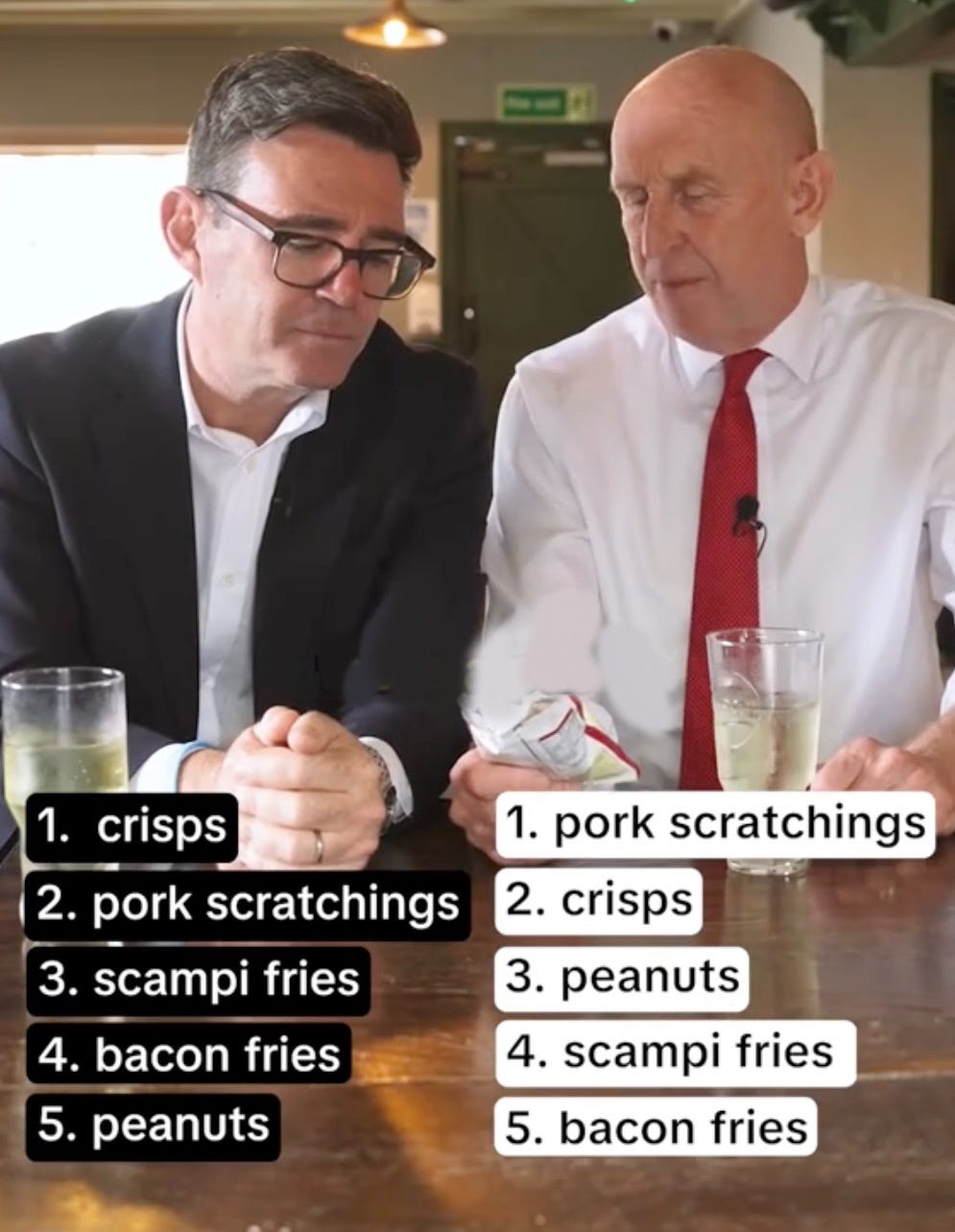
The low-cost announcement confetti that the Prime Minister is showering over the population supports the suspicion that No.10 is preparing for an early election rather than settling down to exploit the remainder of Starmer’s huge majority… but if an election is not the clandestine objective, the test of Burnham’s premiership will now become less visible. Can the new Prime Minister translate his political authority into priorities that survive contact with events, institutions and implementation?
The Listening Tour was supposed to demonstrate that Burnham would govern differently. Its diversion into “events, dear boy, events” territory may have demonstrated something more useful: becoming Prime Minister gives you enormous influence over what government does, but remarkably little control over what government has to deal with.
Leadership involves maintaining the agenda while responding to those pesky events.
Check us out on insta @theworldofukpolitics and now at theworldofpolitics.substack.com too!
Leave a Reply
You must be logged in to post a comment.