
When Hope Meets Government.
Politics increasingly rewards reassurance before reassurance has been earned. Every incoming leader needs to offer hope, but optimism eventually has to meet reality. Burnham’s imminent arrival in Downing Street and Trump’s handling of Iran illustrate two thankfully very different implementations of this wider phenomenon.
The Reassurance of the New
It is not rare for incoming Prime Ministers to project confidence, even after narrow victories at the ballot box.
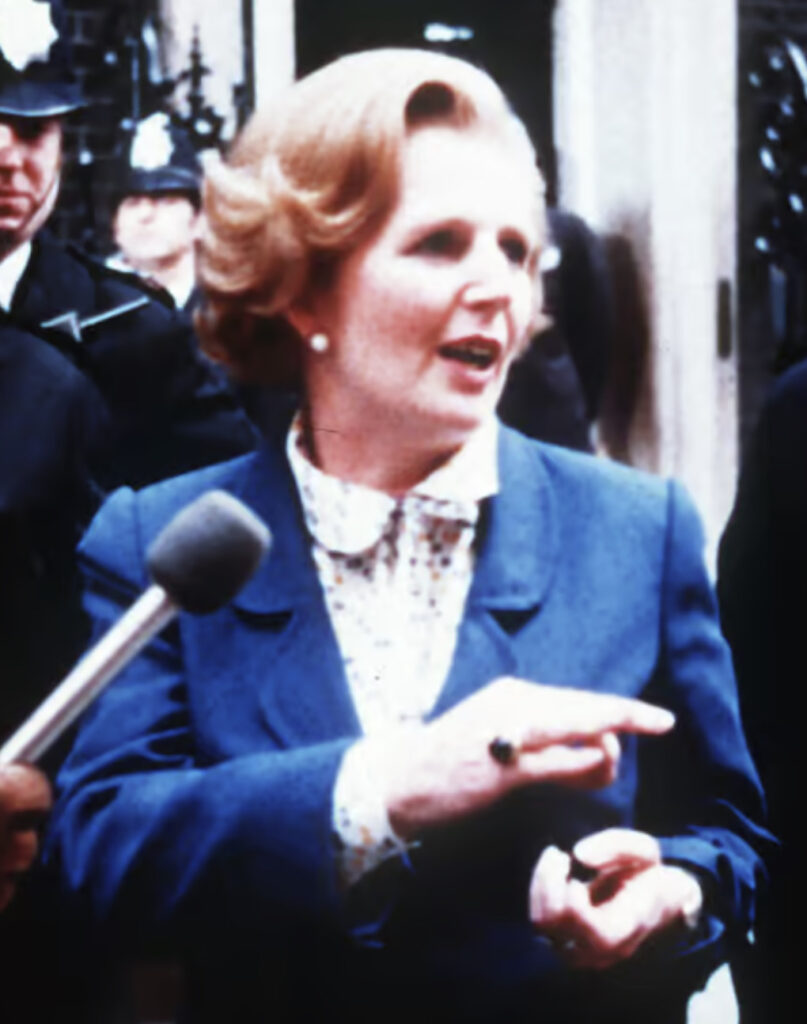
- In 1979, Margaret Thatcher famously and incongruously took a quotation from St Francis of Assisi: “Where there is discord, may we bring harmony” to project radical change, signal the end of the post-war consensus and establish her absolute authority immediately.
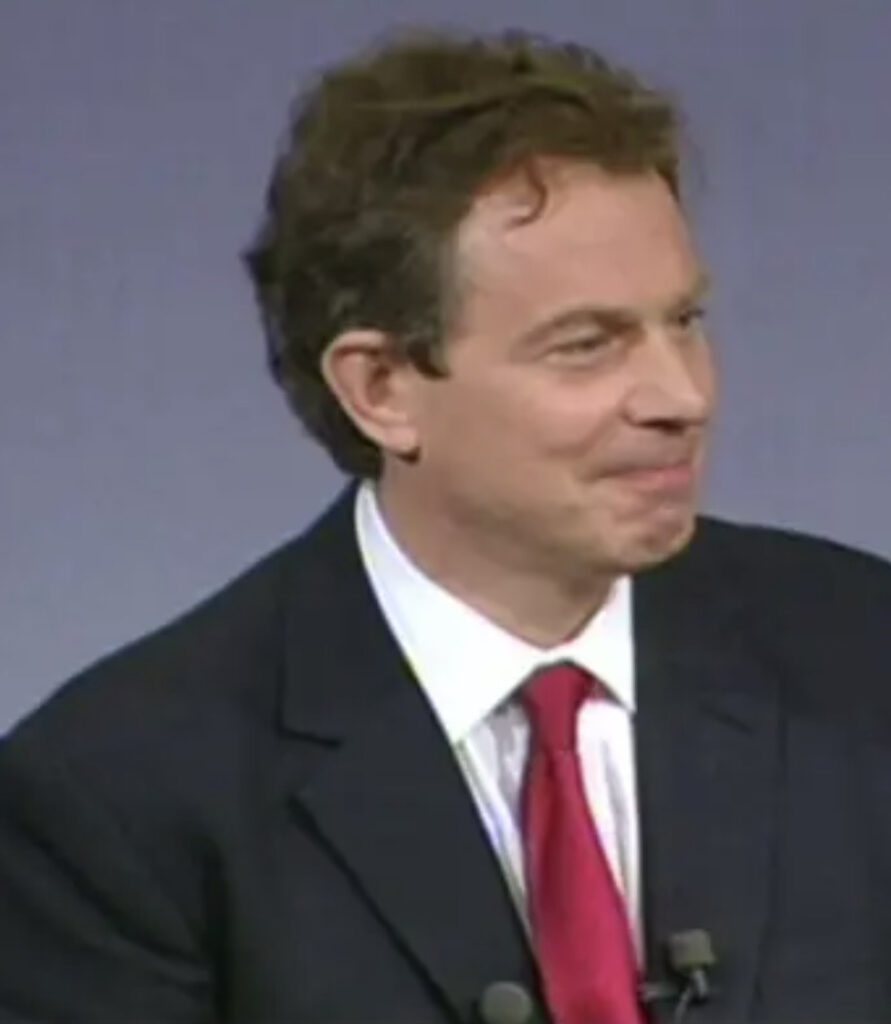
- In 1997 Tony Blair declared: “A new dawn has broken” exuding youthful energy and optimism and capturing a historic cultural shift.
But those who have entered 10 Downing Street without the exhausting process of winning a General Election can, if anything, be even more optimistic.
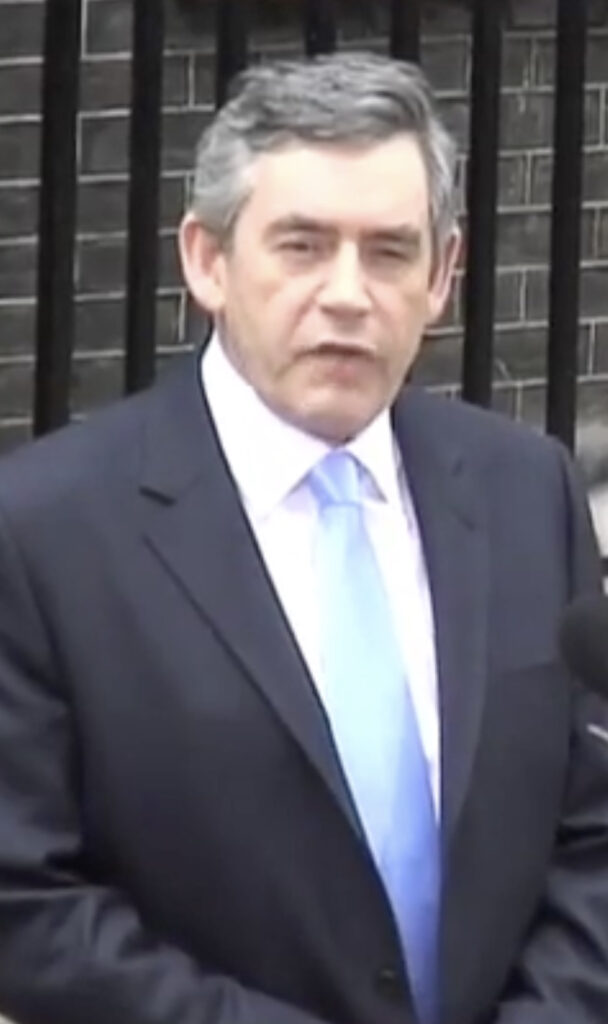
- In 2007, Gordon Brown, taking over from Tony Blair two years after Blair’s third successive election victory and after 10 years of serving as his Chancellor said: “I am convinced that there is no weakness in Britain today that cannot be overcome by the strengths of the British people” and, quite bizarrely really: “Now let the work of change begin.”
Burnham’s own assertion at Labour’s “Special Conference” on Friday, that: “This change today is the most significant change moment in our politics for 40 years is toe-curlingly hubristic, but comes within this tradition of the unelected new leader exuding unrealistic confidence and setting wide parameters for change not as yet endorsed by electoral success.
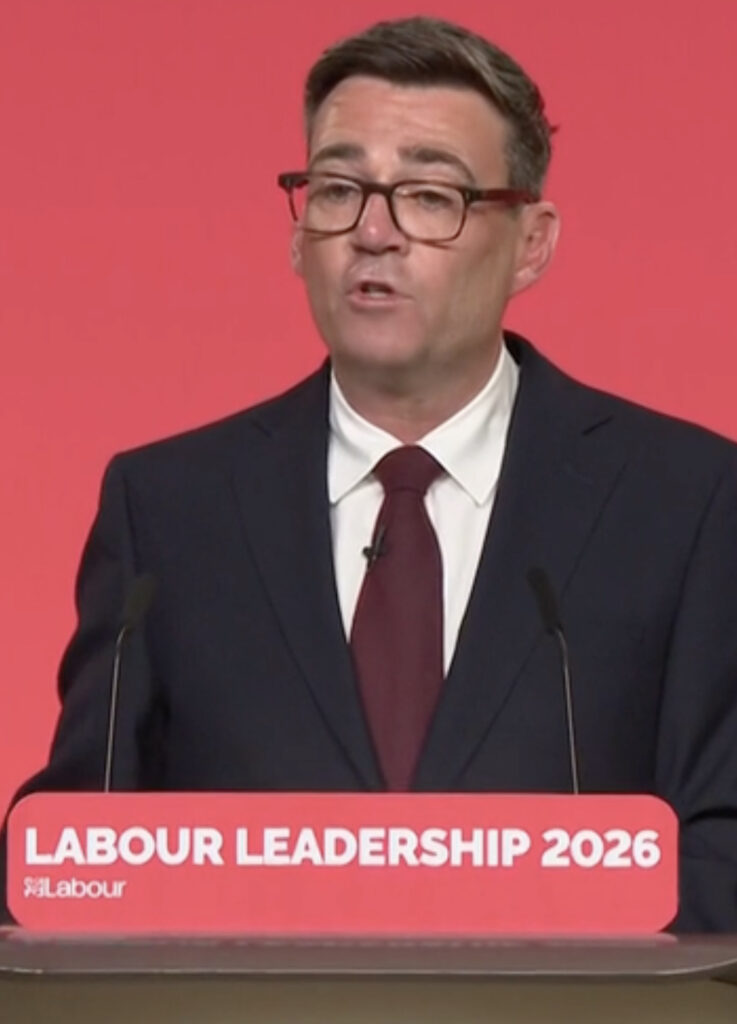
but also we will stick to the 2024 manifesto…
Rhetoric vs Ambition
However, the question must be whether the scale of the rhetoric is matched by the scale of the programme the new leader sets out to achieve. With very little officially announced, there is already a logical and emotional conundrum embedded in Burnham’s “shadow programme”: the more ambitious his agenda and the more it moves beyond Labour’s 2024 manifesto, the more necessary a General Election becomes.
Against Burnham’s soaring rhetoric and reassurance that “change is coming” the Burnham programme seems astonishingly thin, even in this pre-power phase:
- reducing average household energy bills by £130pa by removing VAT and/or pushing older wind and solar farms onto fixed-price contracts (Heather Stewart & Jillian Ambrose, The Guardian, 18th July 2026 “Andy Burnham considers radical shake-up to cut energy bills”)
- removing Ed Miliband’s artificial obstacles (sorry, “quasi-judicial process” to North Sea exploration and drilling (Geraldine McKelvie, The Guardian, 18th July 2026 “Burnham risks Labour backlash if he reverses ban on new oil and gas drilling.”)
- Introducing a wealth tax – Burnham’s newly appointed director of political strategy, Matthew McGregor, endorsed a 2% annual wealth tax on individuals with assets over ¬£10 million (Sabrina Miller, Daily Telegraph, 18th July 2026 “Burnham’s strategy chief backed annual wealth tax.”)
On Sunday a more specific commitment was made to the Press that among Burnham’s first decisions would be to scrap the Digital ID scheme that Sir Keir announced in September 2025. This is a worrying development, not because of its policy significance (it is truly unimportant) but because this is being portrayed as an example of the way in which Burnham’s government will find the financial elbow-room to address the “cost of living crisis” while simultaneously helping to bridge the Defence Investment Plan funding gap. (Interestingly although the figure of £1.3bn for the capital costs of establishing digital IDs is being thrown around as a “saving”, in the OBR’s November 2025 Economic and Fiscal Outlook, it repeatedly comments that “no specific funding has been identified” (s 1.13 p.10.) In as much as spending on Digital IDs had been identified it was the government’s intention to meet the costs of this through existing departmental budgets.
Burnham’s inheritance (FROM LABOUR!)
Back in Starmer’s Britain on Wednesday, the Government passed the Steel Industry (Nationalisation) Act 2026 originally introduced in May to enable HMG to take over the assets previously owned (and run in to the ground) by China’s Jingye Group. The legal process to determine if Jingye merit the ~£1bn compensation for the loss of this investment they have indicated they will seek through legal process will probably emerge on Burnham’s watch. But Burnham will not be able to continue Starmer’s Gambit of insisting that it’s “all the Tories’ fault.”
Meanwhile in the Strait of Hormuz
President Trump seems to have come to the end of the road for his “say one thing do another” strategy for ending Bibi’s War as the yawning gap between “we’re still negotiating” and lobbing missiles and mounting drone attacks across the Gulf becomes too wide for even the most credulous observer to accept.
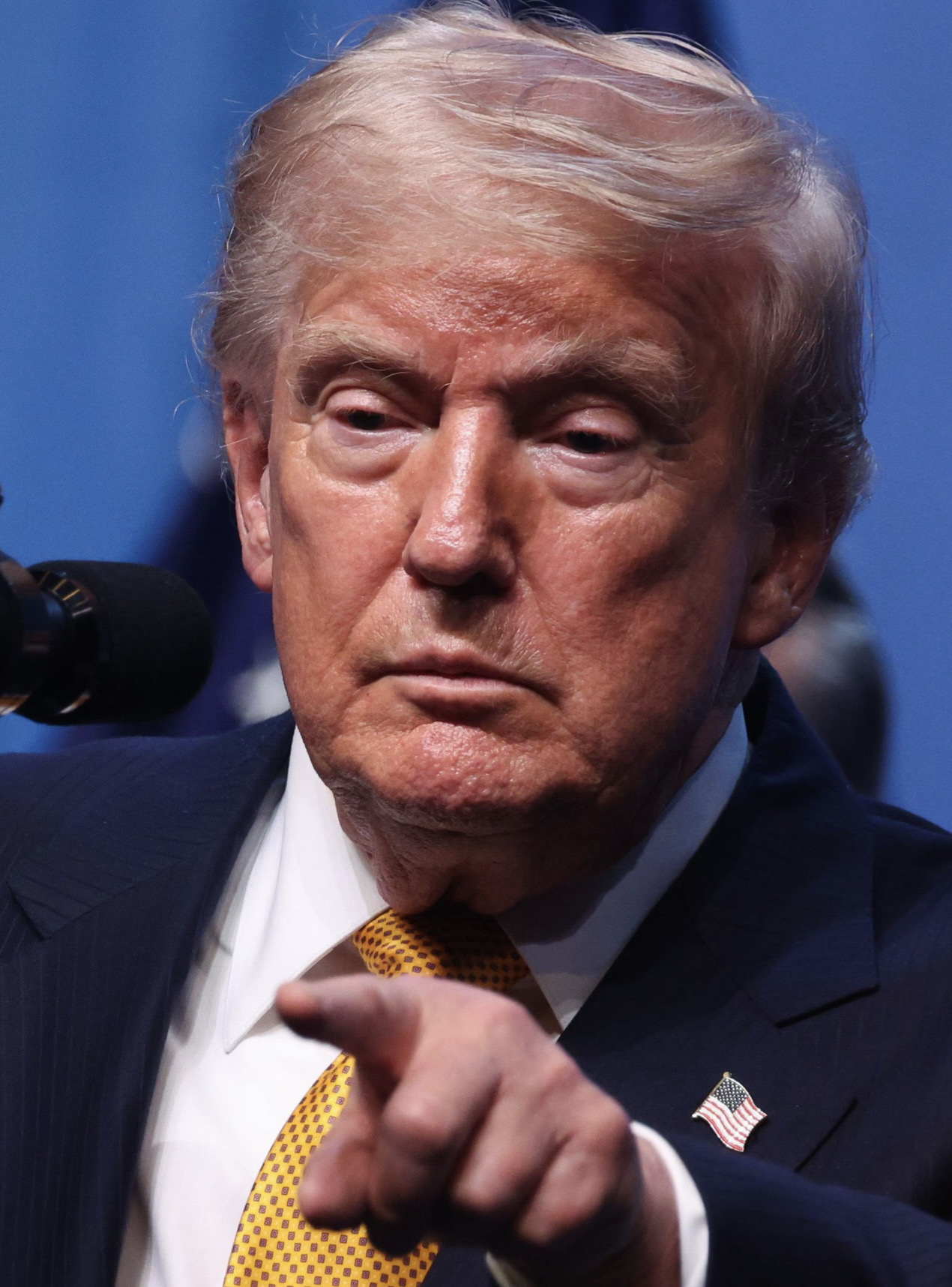
During the week the United States simultaneously described negotiations as continuing while repeatedly widening military operations. A naval blockade and a US-levied 20% transit fee structure was announced before being abandoned within 24 hours. Air strikes expanded while official language remained crazily optimistic of a negotiated resolution. The gap between reassurance and reality widened almost daily.
Andy Burnham has every reason to begin his premiership by asking the country to believe that things can improve. Every incoming Prime Minister does. The question is how quickly confidence is matched by evidence, and whether ambitious language becomes ambitious delivery.
Optimism is expected of leaders. Evidence is expected of governments. Hope is an essential ingredient of politics. Wishful thinking is not.
Governments are ultimately judged not by the confidence of their announcements, but by the capability of their actions.
Check us out on insta @theworldofukpolitics
Leave a Reply
You must be logged in to post a comment.