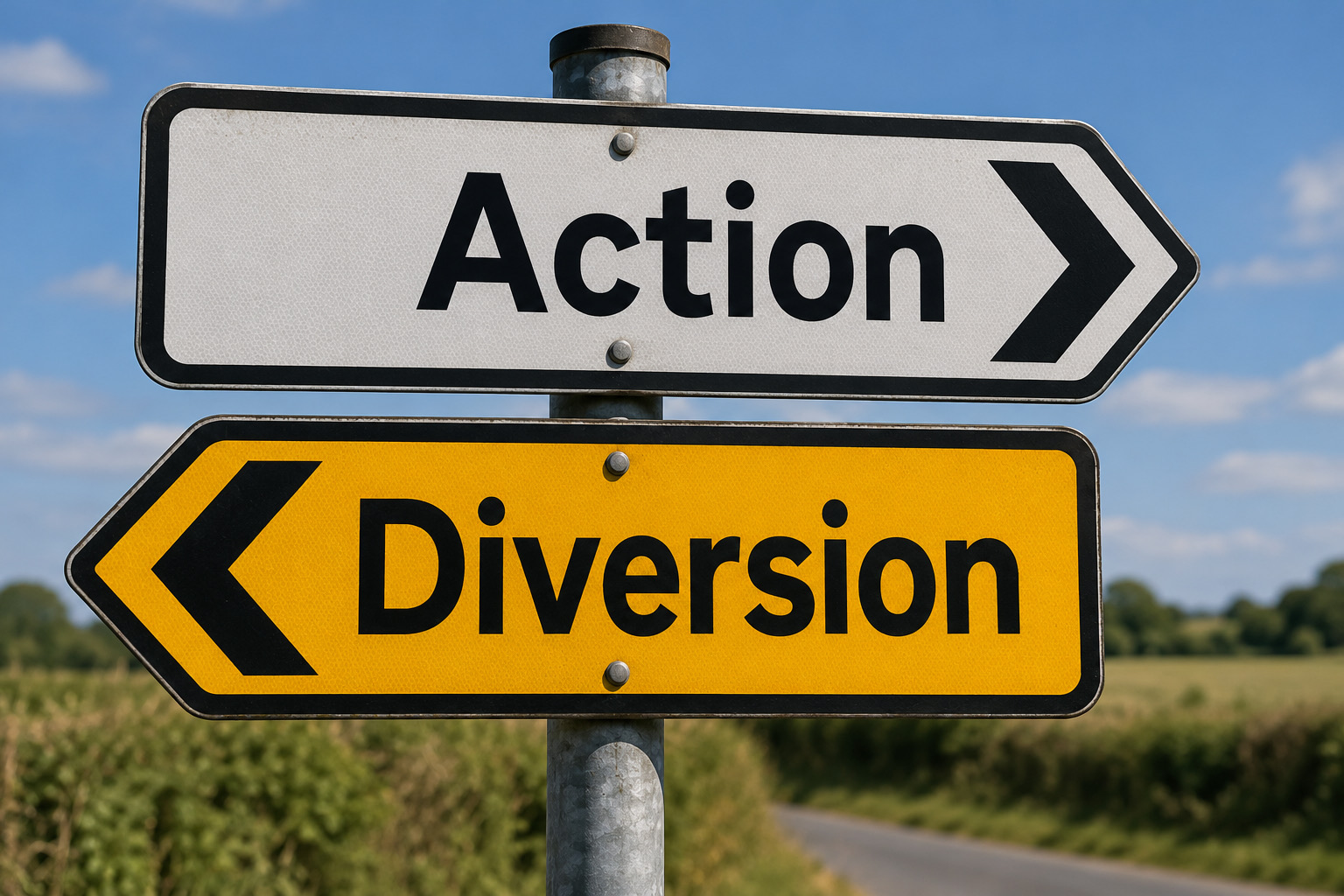
…or appear to be done for a little while at least.
Conference season is over. Various promises have been made, some more credibly than others. For the party of government the awkward necessity of making ambitions square with reality comes in to immediate focus with the Budget now just 16 days away on 28th October. For the opposition parties there are, if anything, even more serious questions as the leadership of Sir Ed Davey and Zack Polanski come under serious threat, Nigel Farage wrestles with the consequences of a series of serious Summer missteps, even if from a rather more gilded throne and Mrs Badenoch…
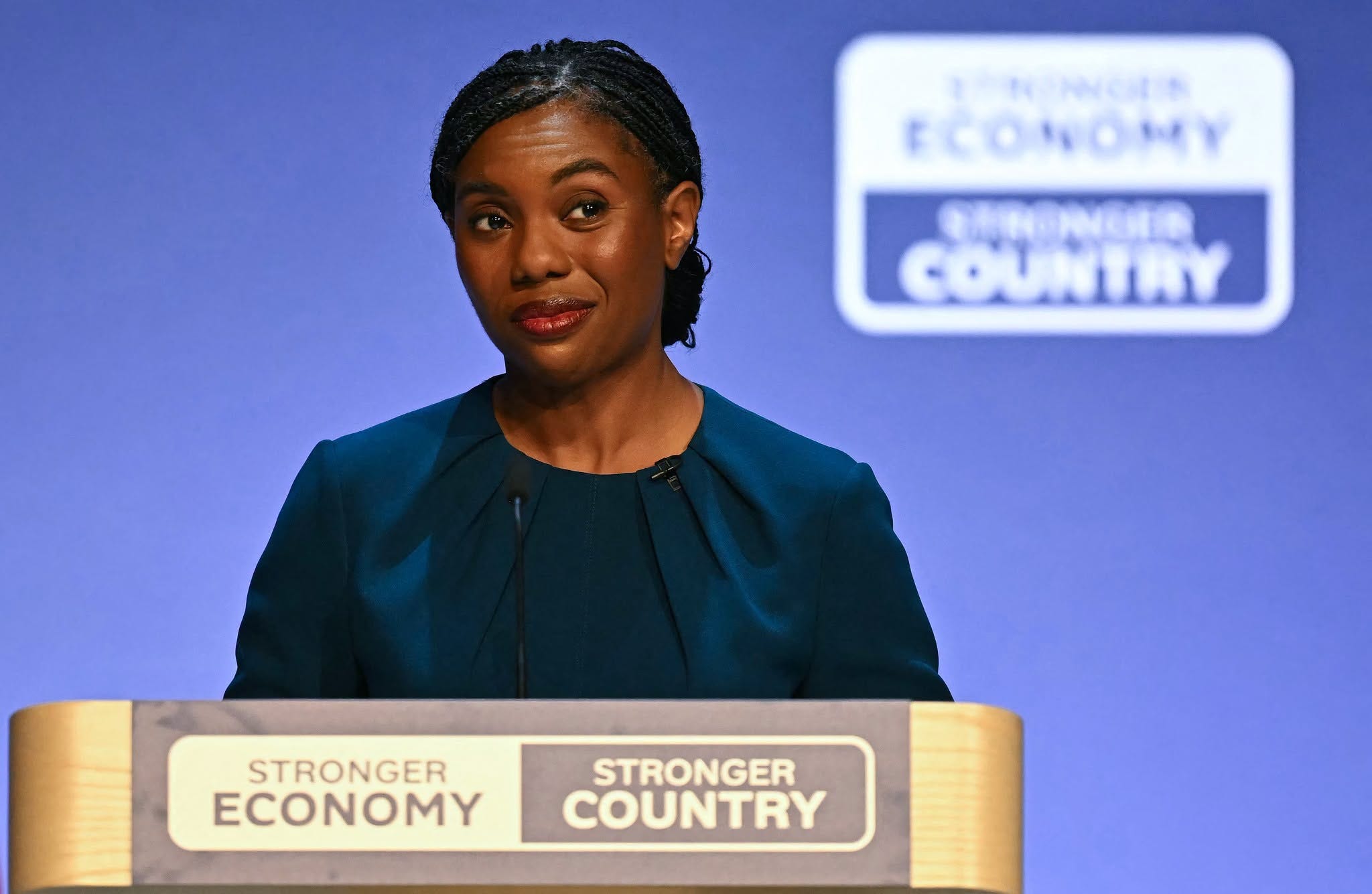
Mrs Badenoch must confront the inadequacies of the strategic direction she has invested substantial effort and capital to articulate and the all-too-obvious limits of her Shadow Cabinet’s abilities, even though her personal brand has improved ahead of her party’s.
Holborn & St Pancras By-Election
Labour’s Sagal Abdi-Wali trounced Green Party leader Zack Polanski.
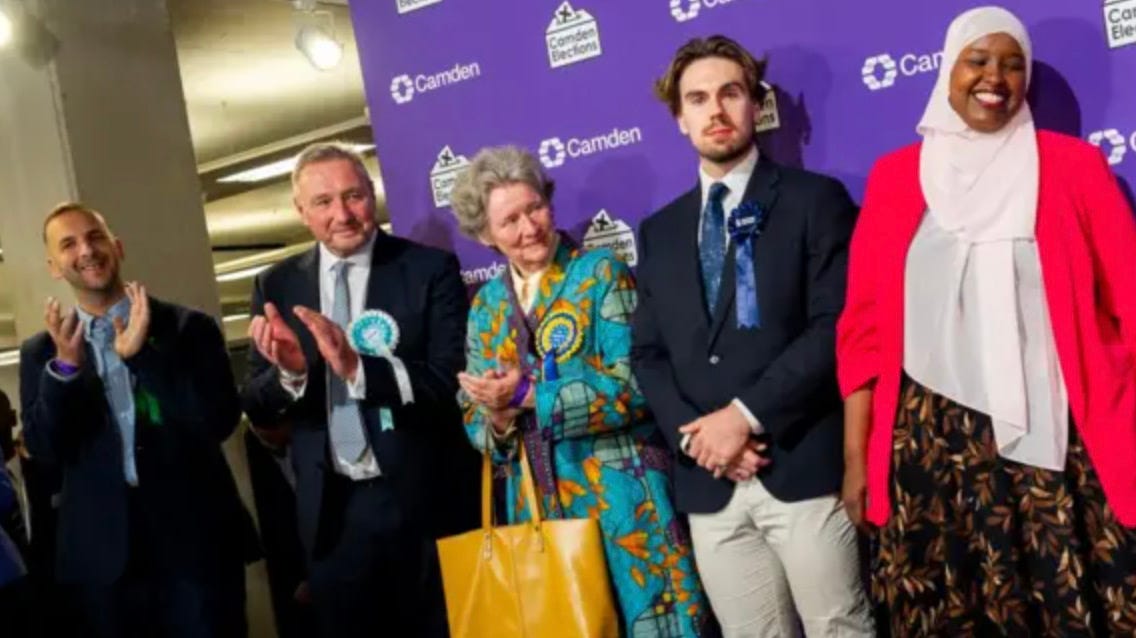
The Greens’ defeat triggered internal pressure and public scrutiny over Polanski’s leadership, although his avoidance of the debate about a conference resolution demanding a one-state Palestinian solution was the more significant failure of his fluid but unthinking adoption of the policies of the student union, unconcerned by pragmatism or real-world impact. (Chris Mason, BBC News, 9th October 2026 “Polanski faces greatest crisis of his leadership so far.”) We covered the Greens’ Conference in our Conference Despatch last week.
The Greens have tried to spin this unexpectedly resounding defeat as some sort of success by claiming Polanski “trebled the Green vote share”, when in fact the non-Labour left-wing vote at the 2024 election in Holborn was divided between the Greens’ 10.5% and independent candidate Andrew Feinstein, who attracted 18.9% of the vote. Together, they won 29.3%. Feinstein stood aside for Polanski at this by-election allowing the Greens’ leader to attain a 32.8% vote share: just 3.5 percentage points more than the 2024 showing of non-Labour leftists. A bonkers claim. (Peter Walker, The Guardian, 9th October 2026 “Holborn & St Pancras byelection loss will disappoint Greens.”)
Conservative Party Conference
Tory leader Kemi Badenoch used her keynote address to announce a pledge to halve employers’ National Insurance contributions for young people (21-25) to encourage employers to recruit younger workers, while drawing clearer battle lines against Labour and ruling out any pact with Reform UK, for which she reserved particular scorn.
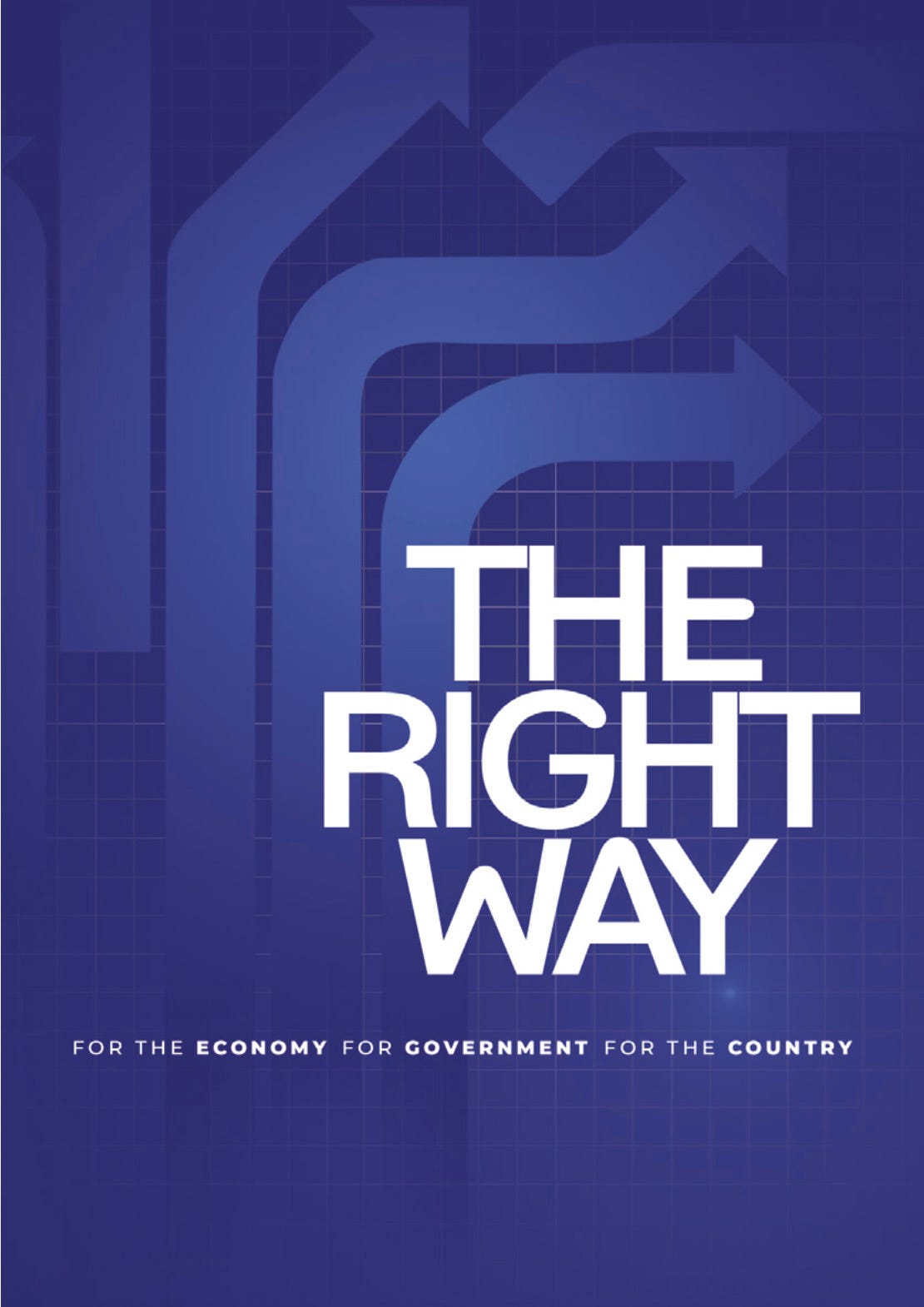
Badenoch’s philosophy was articulated in a lengthy and worthy document “The Right Way” but the “way” she has fleshed out is a tactical cul-de-sac unlikely to form the basis of a winning platform for the next General Election. TWOP will post further thoughts on how far “The Right Way” misses its target over the next few days (it is a 100 page document with 148 footnotes!)
Something Must Be Done
The Government continues to spray low-value announcements at every turn. During a speech at the Innovation Nation Summit organised by the Growth and Reform Network on Friday, inevitably in Manchester, the PM unveiled plans for new employee protection legislation to reduce restrictive non-compete clauses.
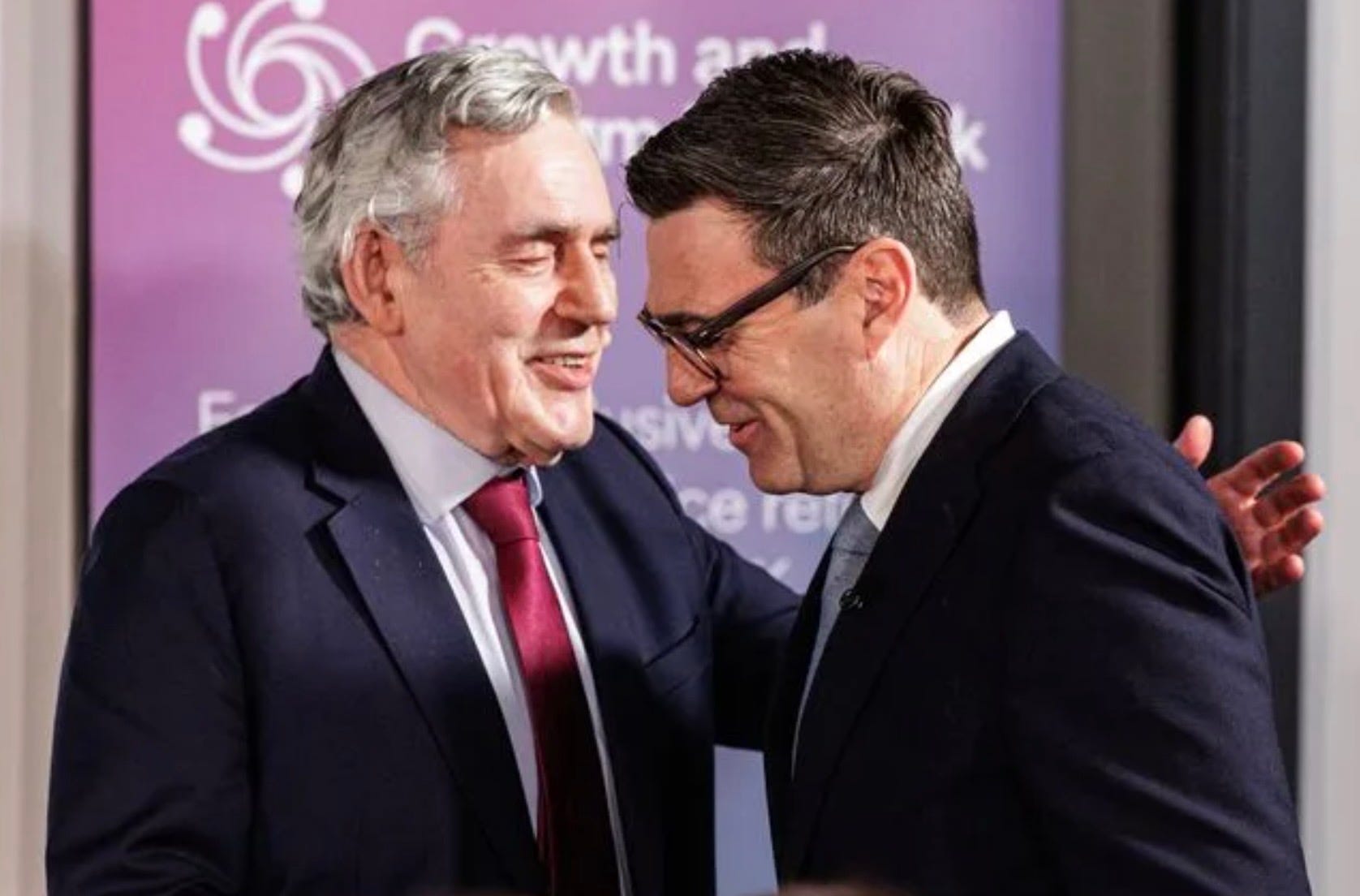
With the spectral figure of Gordon Brown in attendance, this seemed a strangely inappropriate forum to announce more worker protections unlikely to encourage growth.
But, lo, more confetti supplies arrived and the government announced a £48 million partnership to combat dementia (Press Release, 8th October 2026 “I have real hope that Britain can come together to defeat dementia.”) The government is actually investing £33million into BARBARA, a not-for-profit industry research initiative named in memory of Dame Barbara Windsor with the rest of the funding coming from Bristol Myers Squibb, GSK and Gates Ventures. Worthy in itself, but almost literally a drop in the proverbial.
Best of all? The government launched a new Flood and Drought Taskforce (11th October 2026 “New taskforce to boost Britain’s resilience to flooding and drought”) bringing Floods and Drought Minister Emma Hardy together with representatives from more than 50 organisations, including the Environment Agency, Met Office, mayoral authorities, the Fire & Rescue services and the farming, water and insurance industries. Groan. The tea and biscuits budget for this “taskforce” has not been revealed, but must be a significant concern for HM Treasury. Nothing like a taskforce of over 50 concerned parties for moving to swift and effective action.
Something Must Be Done (International Edition)
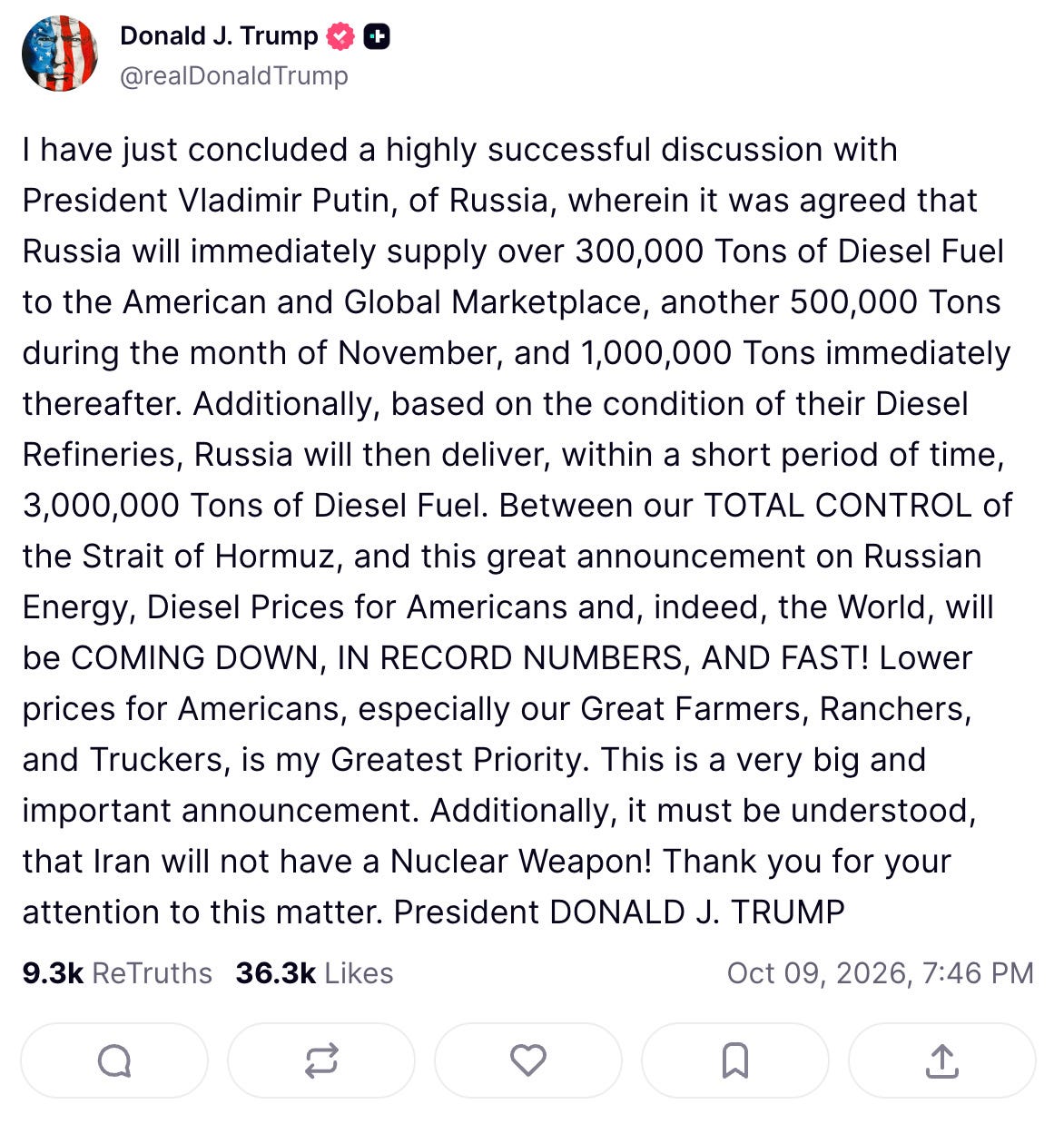
Donald Trump announced via Truth Social on Friday that he had concluded a deal with Vladimir Putin for Russia to provide 300,000tonnes of diesel immediately (ie prior to the US mid-term elections on 3rd November) with an additional 500,000tonnes to be delivered later in November and, perhaps, a further 4million tonnes subsequently.
This has required temporary reversal of the just-imposed sanctions introduced by the bipartisan “Lindsey O. Graham Sanctioning Russia and Iran Act of 2026” signed into effect by President Donald Trump only three weeks ago on 18th September, which had aimed to maximise economic pressure on Moscow to halt its funding for the war in Ukraine. So much for loyalty to friends and supporters, not to mention Ukraine.
For clarity, the initial 800,000tonnes of diesel represents about 6million barrels of diesel, or two days’ worth of US consumption, but the Russian commitment is only to release this quantity of diesel in to global and US markets (“Российская сторона подтвердила готовность обеспечить поставки энергоносителей, включая нефтепродукты, на мировой и американский рынки”) which leaves the Kremlin wiggle room on actual deliveries. However, is unlikely to make any noticeable difference to the price of diesel at US pumps before the mid-terms, or on the global diesel price which has soared because of Trump’s own Iranian war and the blockade of the Strait of Hormuz.
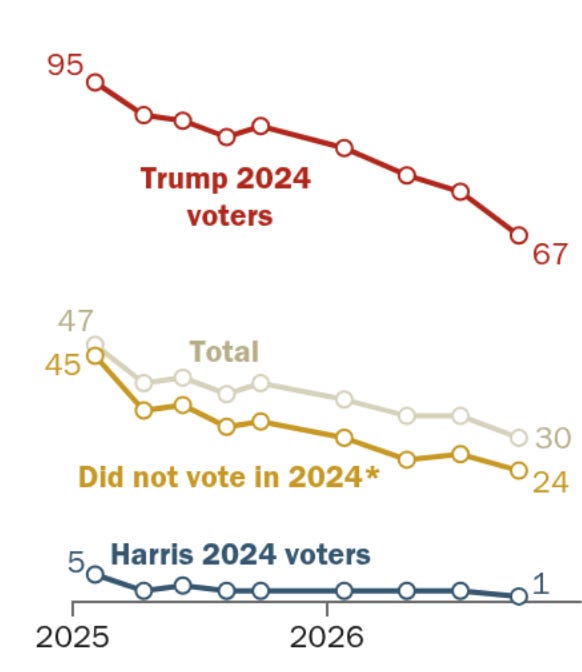
By announcing “a deal”, the world’s greatest dealmaker, hopes to provide his supporters with evidence that their leader is “doing something about it” as 31% of Trump’s 2024 supporters express dissatisfaction with his handling of the economy as the midterms approach (Pew Research Centre, 8th October 2026 “Trump’s Approval Rating Drops as Fewer Americans Are Confident in His Handling of the Economy.”)
The more serious implications for international relations emerged from this relatively insignificant announcement in Trump’s reaction to President Zelensky’s reaction to the diesel deal, reported by Axios as commenting “You know, it looks like a happy birthday present for Putin. It looks absolutely terrible.” (Barak Ravid, Axios, 9th October 2026 “Zelensky tells Axios Trump’s diesel deal with Putin “not fair and not honest.”) Trump’s own reaction to Zelensky’s dissatisfaction has been predictably petulant, telling assembled reporters at the White House that it is now time for Ukraine to replace Zelensky (Rorey Bosotti, BBC News, 10th October 2026 “’Time for Ukraine to get new president,’ says Trump after Zelensky condemns diesel deal.”)
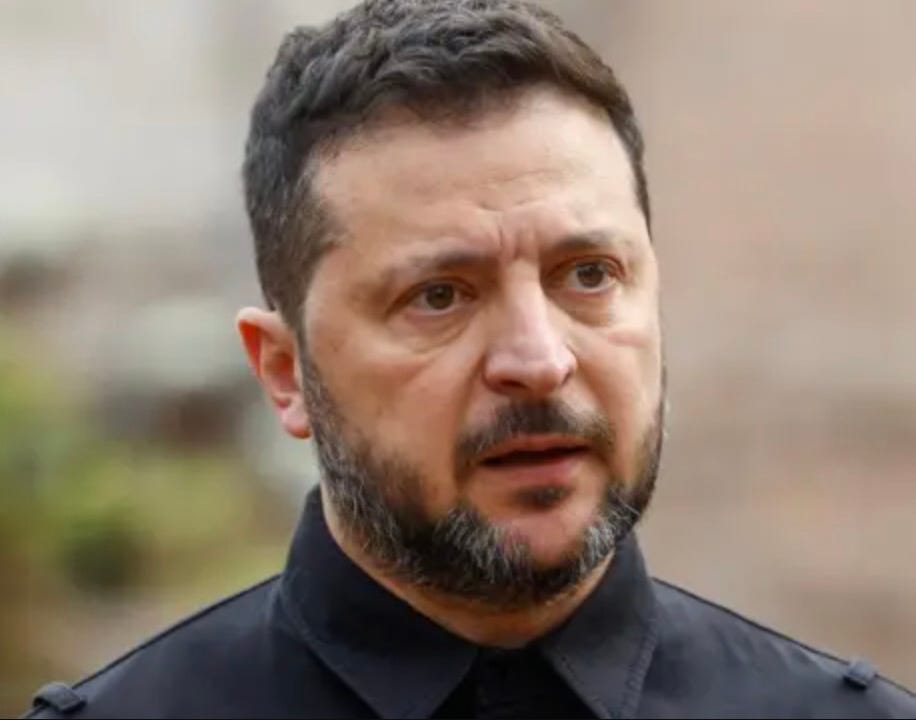
Although the actual strategic impact of Trump’s renewed personal antagonism to Zelensky has limited significance and new-ish Defence Secretary Wes Streeting’s response on the Sunday morning sofas was strangely muted, the fact that the US-Ukraine relationship has returned to the undisguised antagonism Trump displayed to Zelensky in the notorious Oval Office meeting on 28th February 2025 will necessarily involve significant UK and European efforts to roll that stone back up Trump Mountain. (Aletha Adu, The Guardian, 11th October 2026 “Britain stands behind Zelenskyy, says Streeting after Trump’s call for new leader in Ukraine.”)
Trump then announced the most Trumpian of developments on Sunday, declaring (via Truth Social) “Effective immediately, there is an ENERGY CEASEFIRE in the War between Russia and Ukraine. Both parties have agreed. Do not break it!”
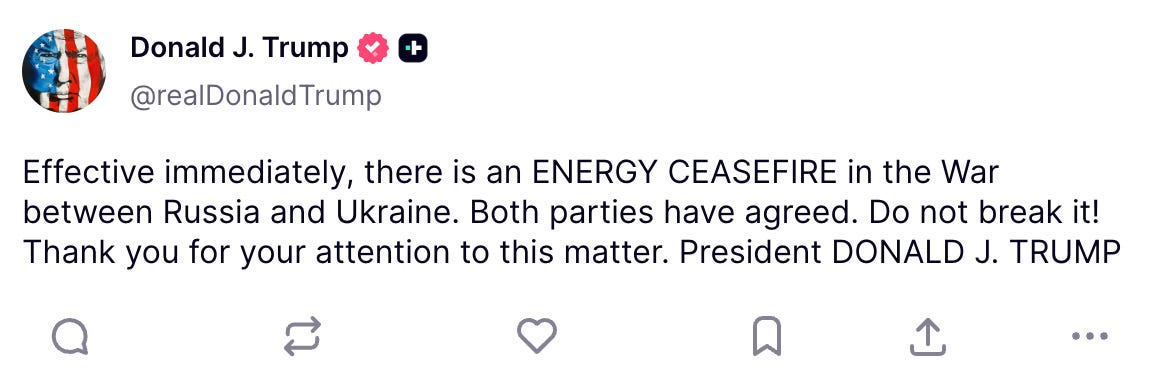
Not the only problem with this announcement was that it had clearly come as news to President Zelensky who commented that it “was news for me, but if Russians agree to an energy ceasefire, Ukraine will agree.” (Barak Ravid, Axios, 11th October 2026 “Trump claims Russia and Ukraine agree to energy ceasefire.”) Considering the background context of Trump’s “Ukraine needs a new President” line, Zelensky’s response was surprisingly positive, saying that Ukraine would honour an energy ceasefire if Russia committed to it and offering to hold Presidential elections if a 60-day total ceasefire could be agreed. The whole thing will probably collapse.
Politicians of every hue and across continents seem to be united in providing insubstantial and fundamentally irrelevant policy answers to their voters demands for “something to be done.”
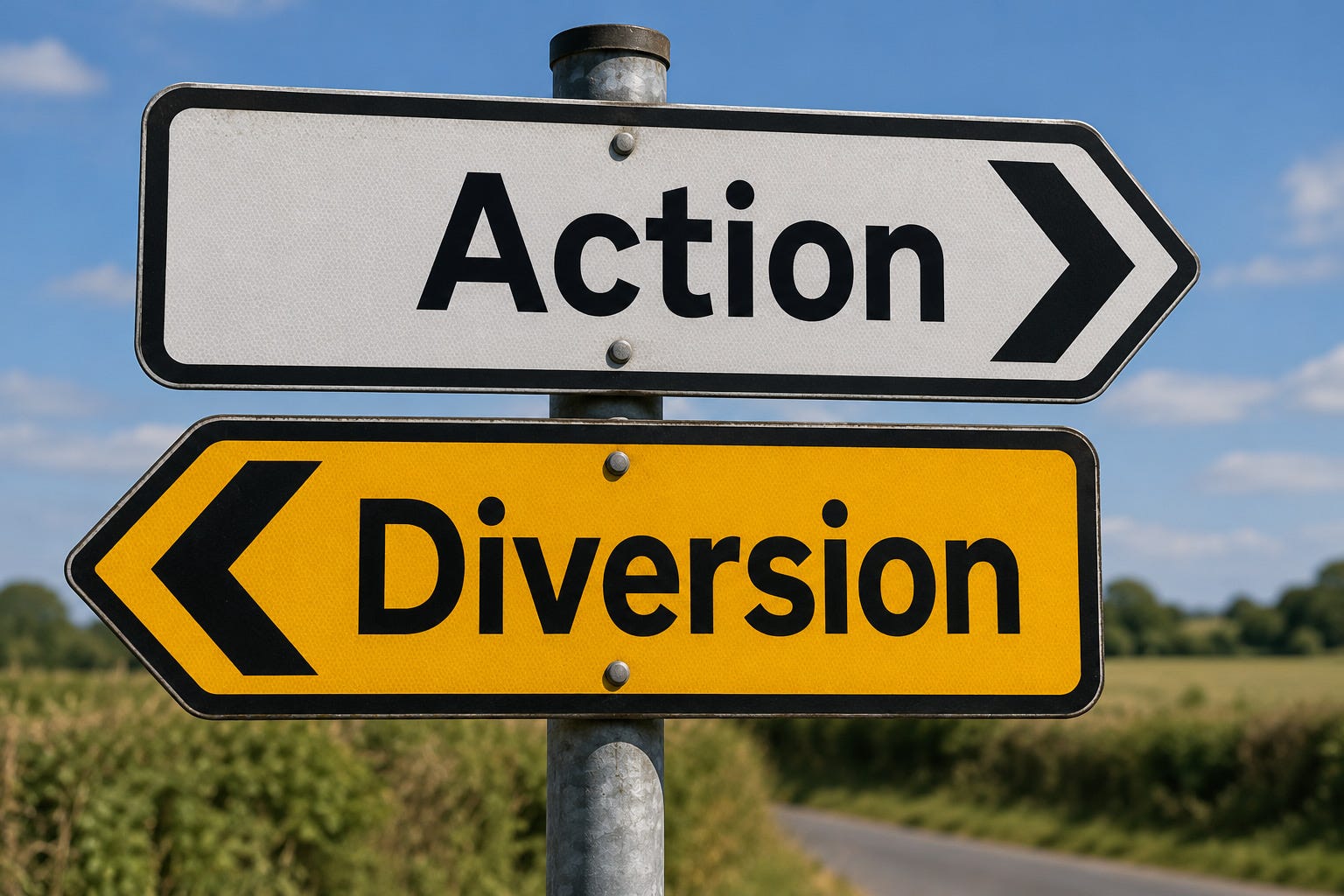
In Britain, announcing action without demonstrating results risks wasting political attention and public money. Internationally, announcing agreements that have not actually been secured risks undermining diplomacy itself. In neither theatre are voters being provided concrete “somethings” that stand much chance of doing anything for their needs.
Leave a Reply
You must be logged in to post a comment.