
Perhaps not the most critical issue facing the nation… but important to the PM nonetheless.
The Commons was quieter this week as the government cleared the procedural decks for the Budget, which will be held next Wednesday, 28th October.
Wednesday 21st October
Outside the House Wednesday started with news of the government’s decision to accept reality and allow gas production at the Jackdaw field after clearing the last judicial review elements that have held it back since the Conservatives’ initial approval in 2022. (Cynics might say that the real obstacle to speedier decision-making might have been Ed Miliband until his recent move to the F&CO.) However, the announcement set Mr Speaker off, as Michael Shanks (Rutherglen, Labour), a junior Energy minister, appeared in the Commons to “re-announce” the decision hours after it was released to the far more important media earlier in the day.
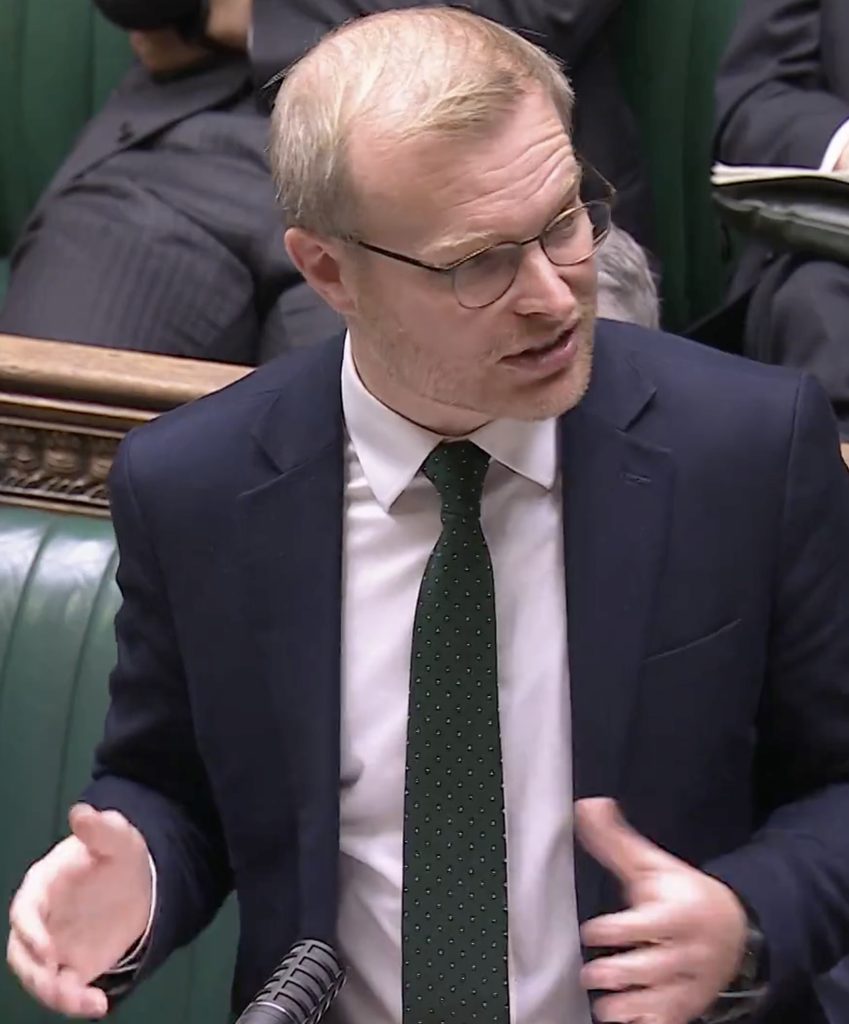
However, this announcement set Mr Speaker off (“appalling”) as Michael Shanks (Rutherglen, Labour), a junior Energy minister, (known to the Speaker as “The Patsy”) appeared in the Commons, rather than his boss, Miatta Fahnbulleh (Camberwell & Peckham, Labour) EnergySec to “re-announce” the Jackdaw decision, hours after it was “leaked” or, more likely, released, to the far more important media earlier in the day. The Speaker was enraged and that puts it mildly.
Sadly, the Speaker’s attempts to assert the primacy of the Commons on ministers’ attention seems like a losing battle, unless he can pull some sort of penalty out of his procedural hat.
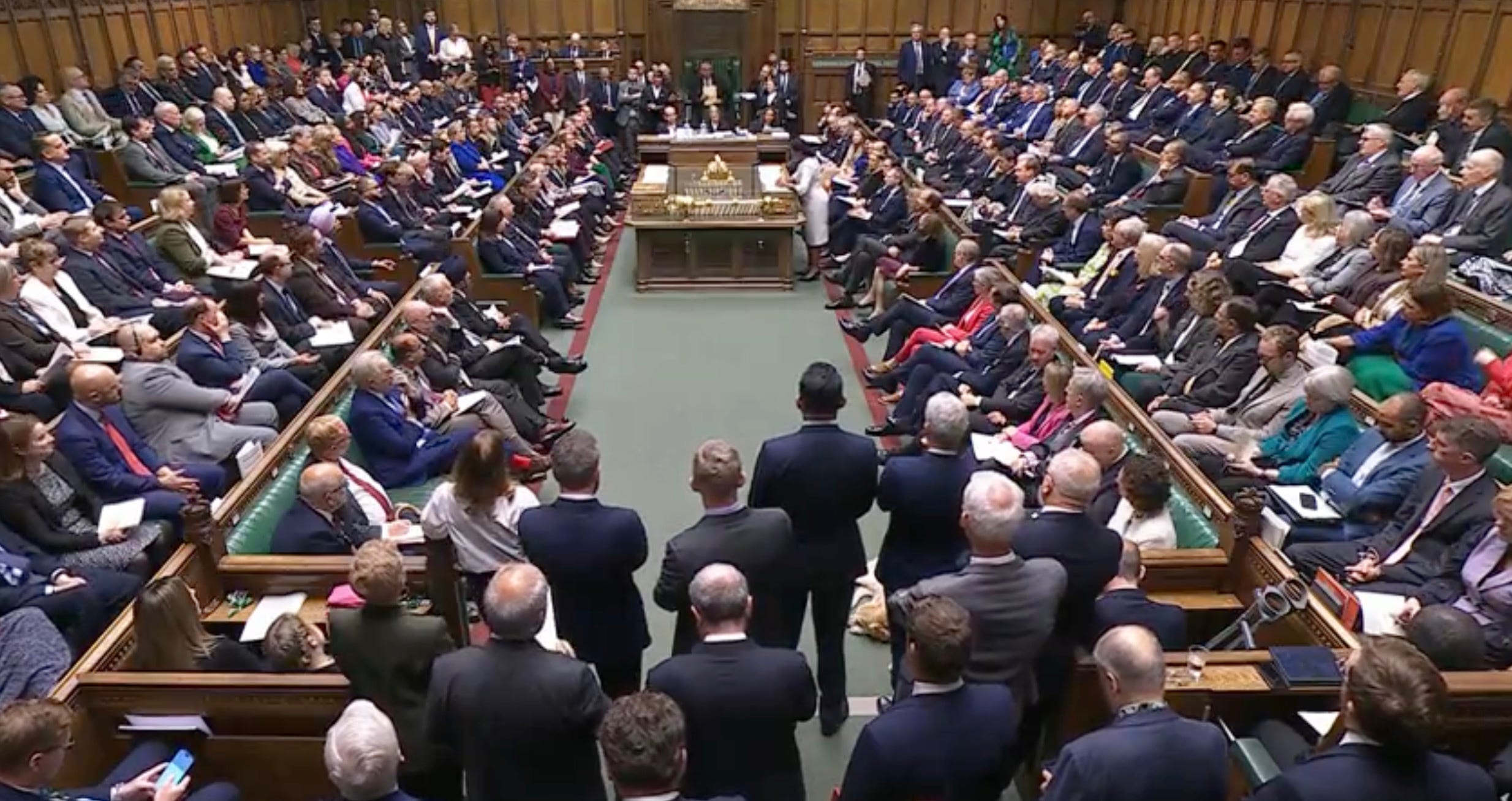
At PMQs, attended rather exotically by the Sultan of Oman, Kemi Badenoch opened by thanking the Prime Minister for finally approving Jackdaw. However, she criticised the government for “dithering” on the decision, noting that the previous Conservative administration had originally approved the project back in 2022. Badenoch then pressed the Prime Minister on whether he would overturn Labour’s wider ban on new oil and gas licenses.
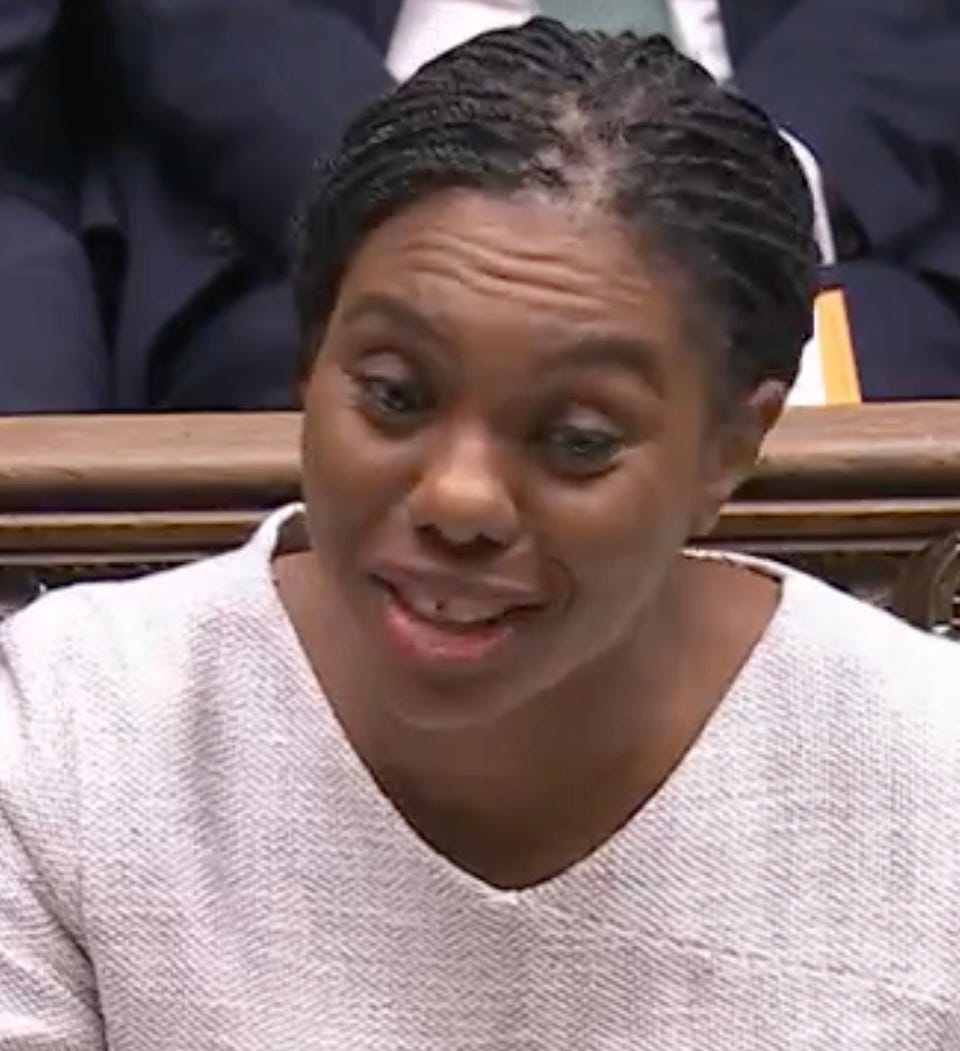
In response, the King of the mid-North stated that his government had been forced to correct a process that the Conservatives had “messed up.” Accusing the Opposition of failing to handle the initial procedures properly, he defended his administration’s actions as a “pragmatic decision.” This seems a critical tactical position for the PM as it allows him to agree “in principle” with the opponents of the decision in his own party, while simultaneously claiming that it is “just” for practical reasons.
Shabana Mahmood, sitting to her Prime Minister’s right, in so many senses, looked as though she had just sucked a bucket of lemons. Perhaps there has been more movement on her proposed immigration changes?
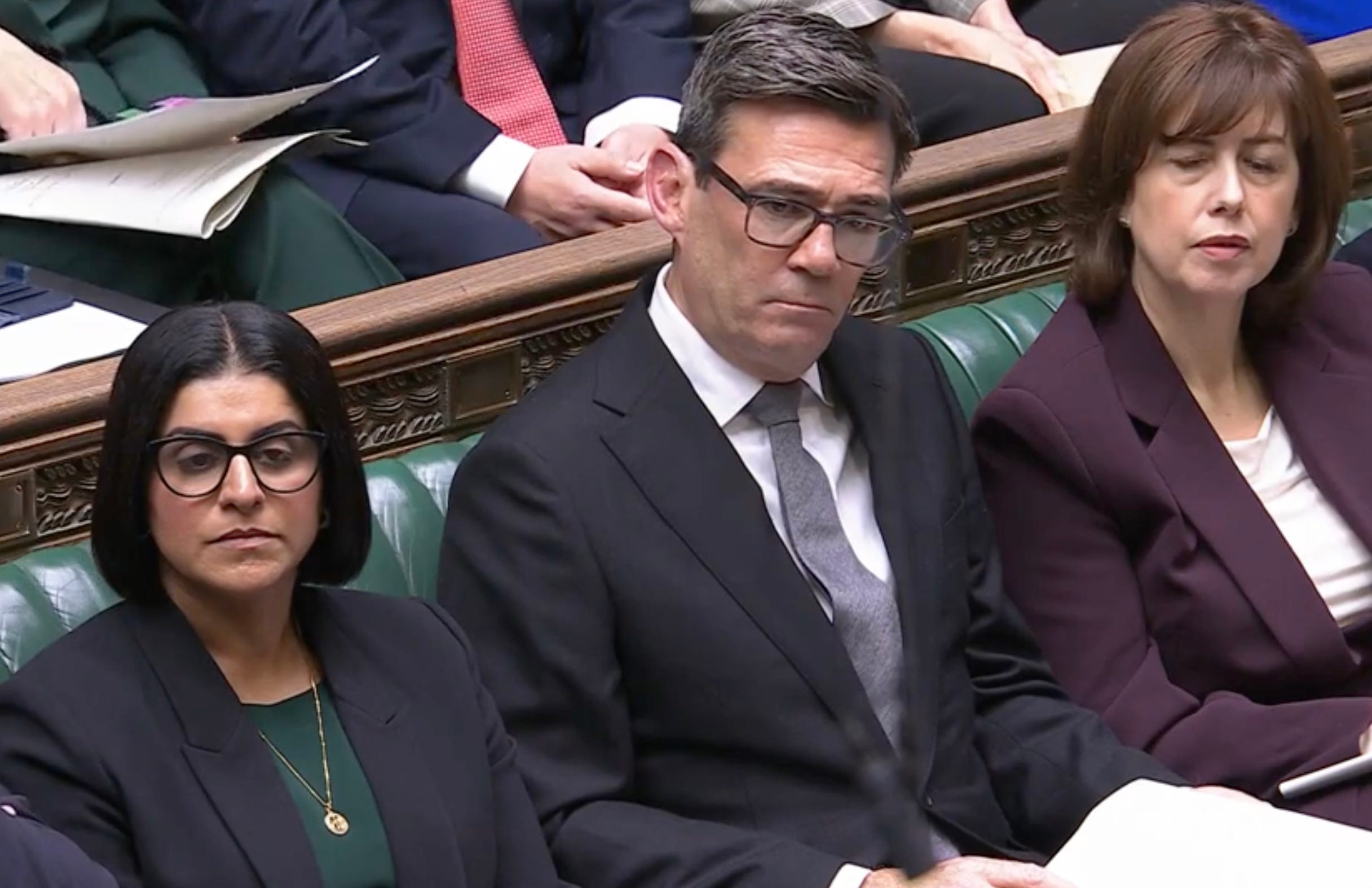
Mrs Badenoch hit her stride on the economy, asking whether the PM had any plans for deficit reduction. Andy Burnham ducked the question and called on the IMF’s recent report as evidence of the UK economy’s superior international competitive performance. LoTO reminded the PM that he had avoided answering the question about deficit reduction and asked him if he had plans to cut welfare spending. The Prime Minister hyped himself up in to a state of moral outrage over social care and pointed out that he had decided to “adjust” the pensions triple lock in order to (help) fund the costs of his new National Care Service. The PM’s outrage seemed synthetic, but succeeded in diverting him away from welfare expenditure towards his preferred “shield” of his terribly difficult early decision to “cut” spending on ID cards (that had not had funding allocated to it.) This is not impressive.
The LibDem leader, Sir Ed Davey (Kingston & Surbiton, LibDem) asked a couple of quite simple questions, mostly designed to demonstrate his own policy positions and his potential helpfulness to the PM.
The LibDem leader suggested that there was a clear need for growth strategies in the upcoming Budget (but elicited groans from all sides by his perennial suggestion that rejoining the EU single market would be an obvious step to take.)
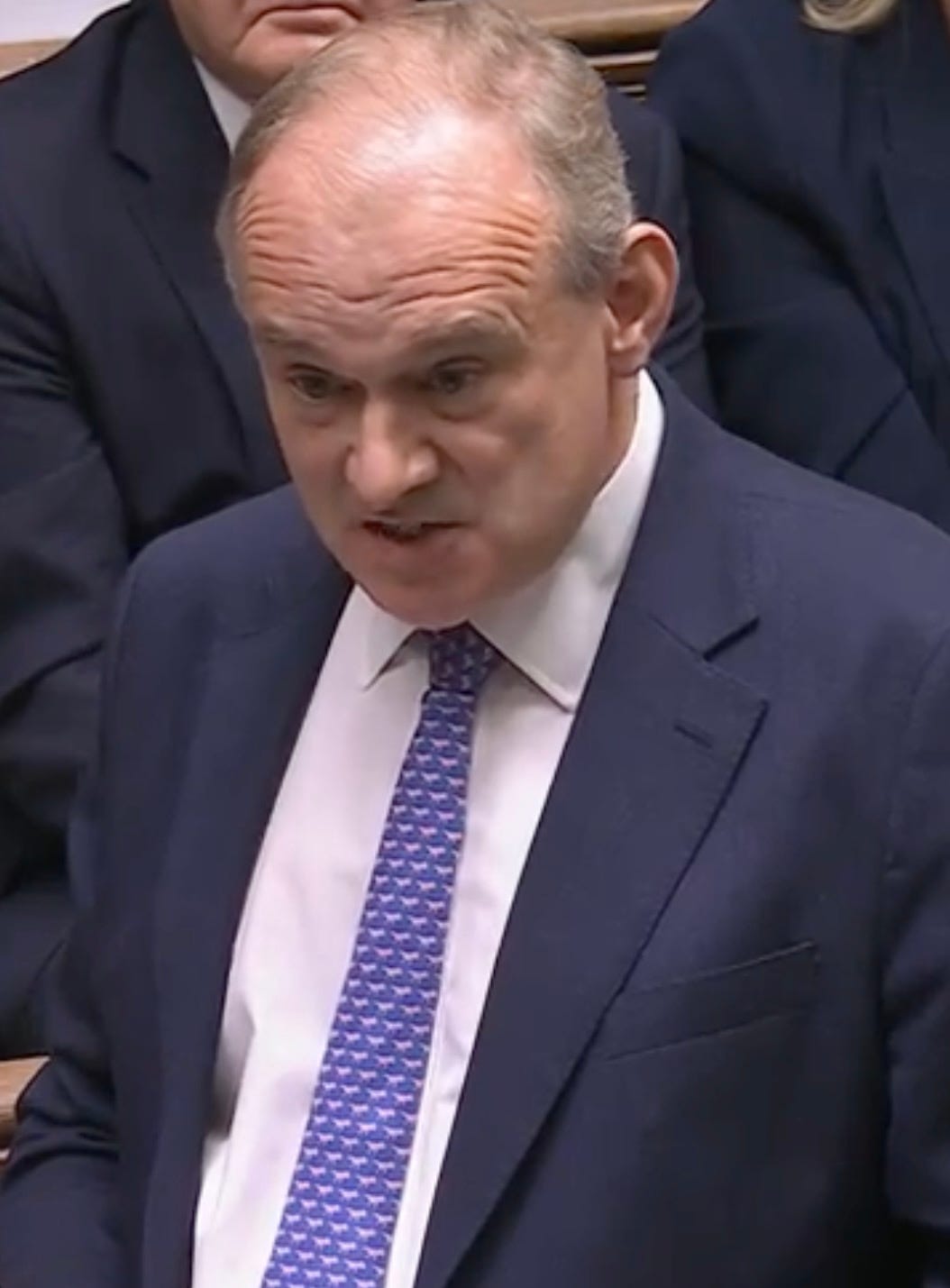
Sir Ed was on happier ground when he asked the PM to confront Donald Trump over his strategy (aka “catalogue of shame”) of supporting Russian aggression in Ukraine by weakening the US sanctions regime and allowing Russian sales of diesel, disrupting intelligence-sharing and interrupting satellite data provision. The Prime Minister avoided making any commitments to either growth, or to calling out Uncle Donald on his descent in to craven international policy madness. Train carriage noise disturbance does get its own Tik-Tok nevertheless, so there’s that.

Tuesday, 20th October
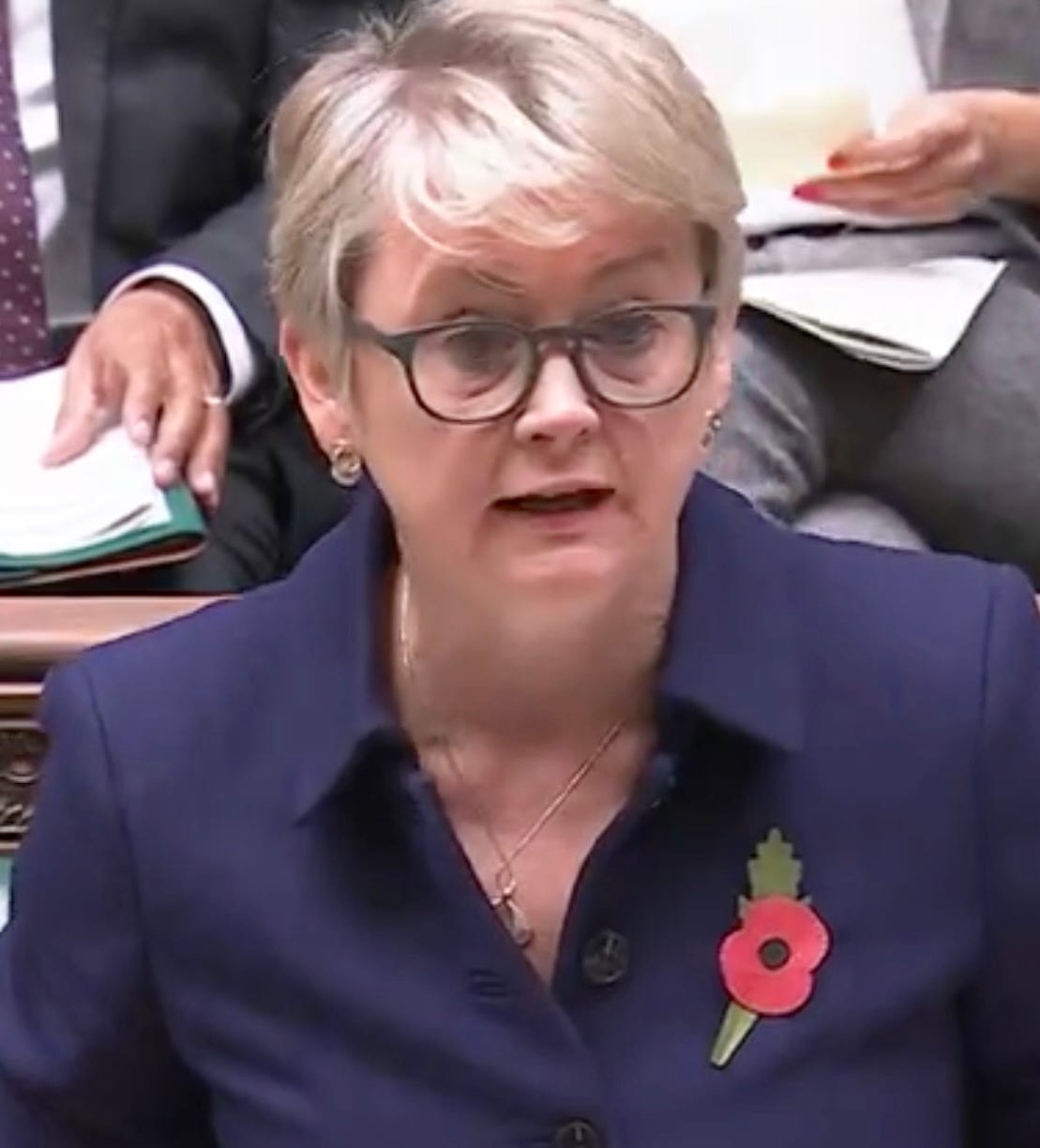
Tuesday was mostly devoted in the Commons to Health & Social Care matters. Yvette Cooper (Pontefract, Castleford & Knottingley, Labour) HealthSec deferred responding to the Covid-19 Inquiry’s most recent conclusions about the failure to protect care homes in the early stages of the pandemic.
However, on more “normal” health matters, the HealthSec emphasised the rôle of intermediate care pathways in reducing delayed discharges and agreed with MPs on the need to expand community-based care, noting that keeping people in hospital unnecessarily is a poor outcome for patients, but also causes significant additional costs in health spending.
Monday, 19th October
The House sat as a Committee of the Whole House to begin line-by-line scrutiny of the remaining stages of the Northern Ireland Troubles (Legacy and Reconciliation) Bill.
More contentiously, answering a question from Danny Kruger (East Wiltshire, Reform), whose seat one suspects may include Salisbury Plain, Wes Streeting (Ilford North, Labour) Def Sec, replied that the armed forces would have to live within their means and not expect routine overspending to cover training needs:
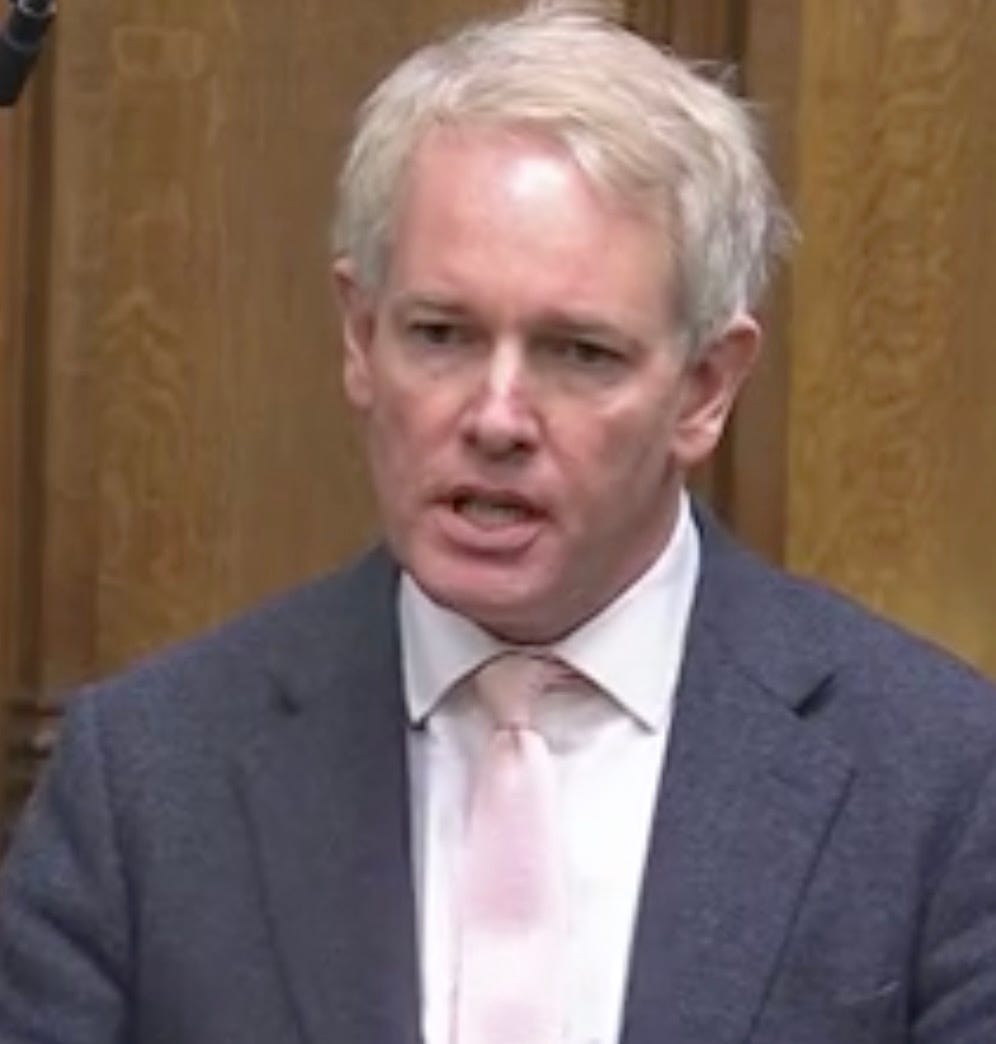
“When I arrived at the Ministry of Defence, there was an in-year overspend that would have seen us over-committed by the end of the year… I expect my Department and our armed forces to live within their means. I think that message has been received loud and clear and will help me to tackle the historical problems that we have had at the Ministry of Defence: routine overspending and challenges with value for money and productivity.”
That’s telling them! Not sure that defence spending will reach 3.0% that way, however.
Friday 16th October
A quiet Friday featured some low energy discussion of the first-ever severe drought recorded in the UK was dead-batted by Emma Hardy (Labour) a junior Water Minister who said that monitoring of water levels was in hand. So that’s sorted, the country can rest easy with that assurance.
Also, mostly for entertainment, Mike Wood’s (Kingswinford & South Staffordshire) private member’s Heritage Public Houses Bill was brought forward for a second reading, but sadly failed to progress after time ran out before a vote was called. Too early in the day perhaps, even for honourable members. Comedy gold.
Thursday, 15th October
The Leader of the House confirmed that the Chancellor will deliver his Budget on Wednesday, 28th October.
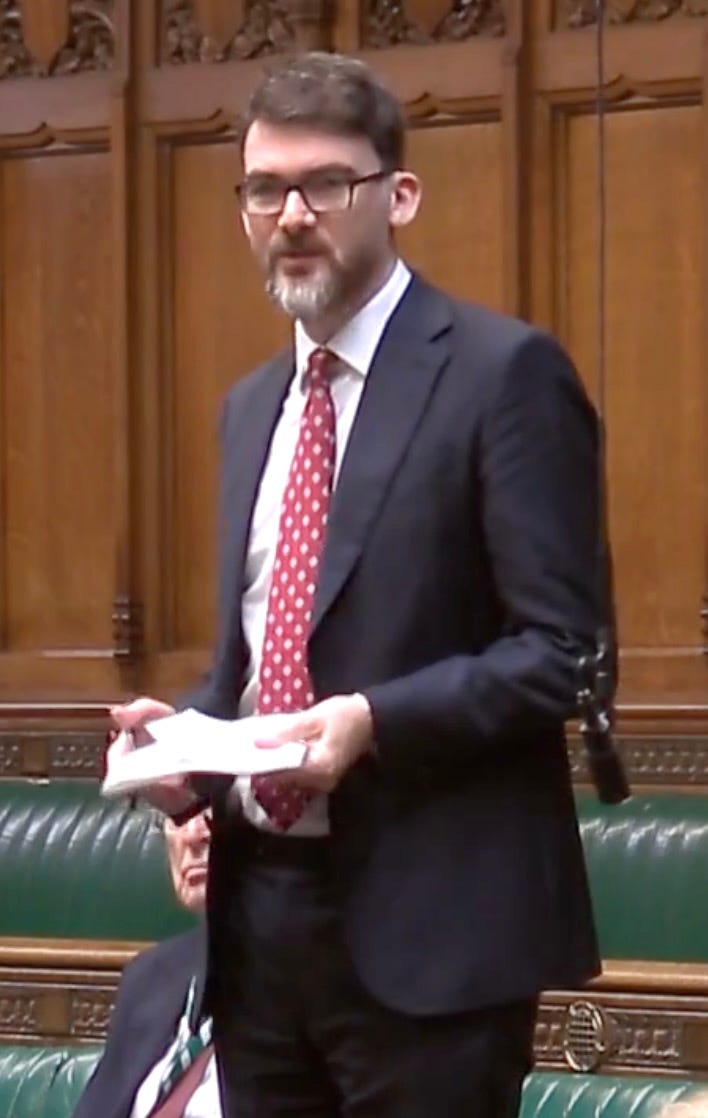
More significantly, however, there was a lot of parliamentary anger about the conduct of the “Glastonbury-ticket scramble” for farm payments under the Sustainable Farming Initiative, Cumbria MP Markus Campbell-Savours (Penrith & Solway, Labour) was particularly scathing.
“Is it not time we simply admitted that the SFI experiment has failed? The last Government could not get the money out the door, and we now have an IT system that is so bad that we may as well not have a door. Farmers do not believe that the SFI is fair. They do not believe that it is getting to those who need support, or that it is delivering the public goods intended. Perhaps we should start again and reconsider a universal baseline, with best practice conditions?”
He was treated to a laughably dusty answer by the junior Agriculture Minister, Stephen Morgan (Portsmouth South, Labour) who basically said “nah, you haven’t written to me about this so bugger off.”
MPs tried to find out more about the promised “National Care Service” from Alison McGovern (Birkenhead, Labour), Minister for Social Care & Mental Health. The Minister seemed to be keen to characterise the care system in class terms, which seems a shame, explaining that social care needs have been overlooked historically because “working-class women never get a fair hearing in this country.”
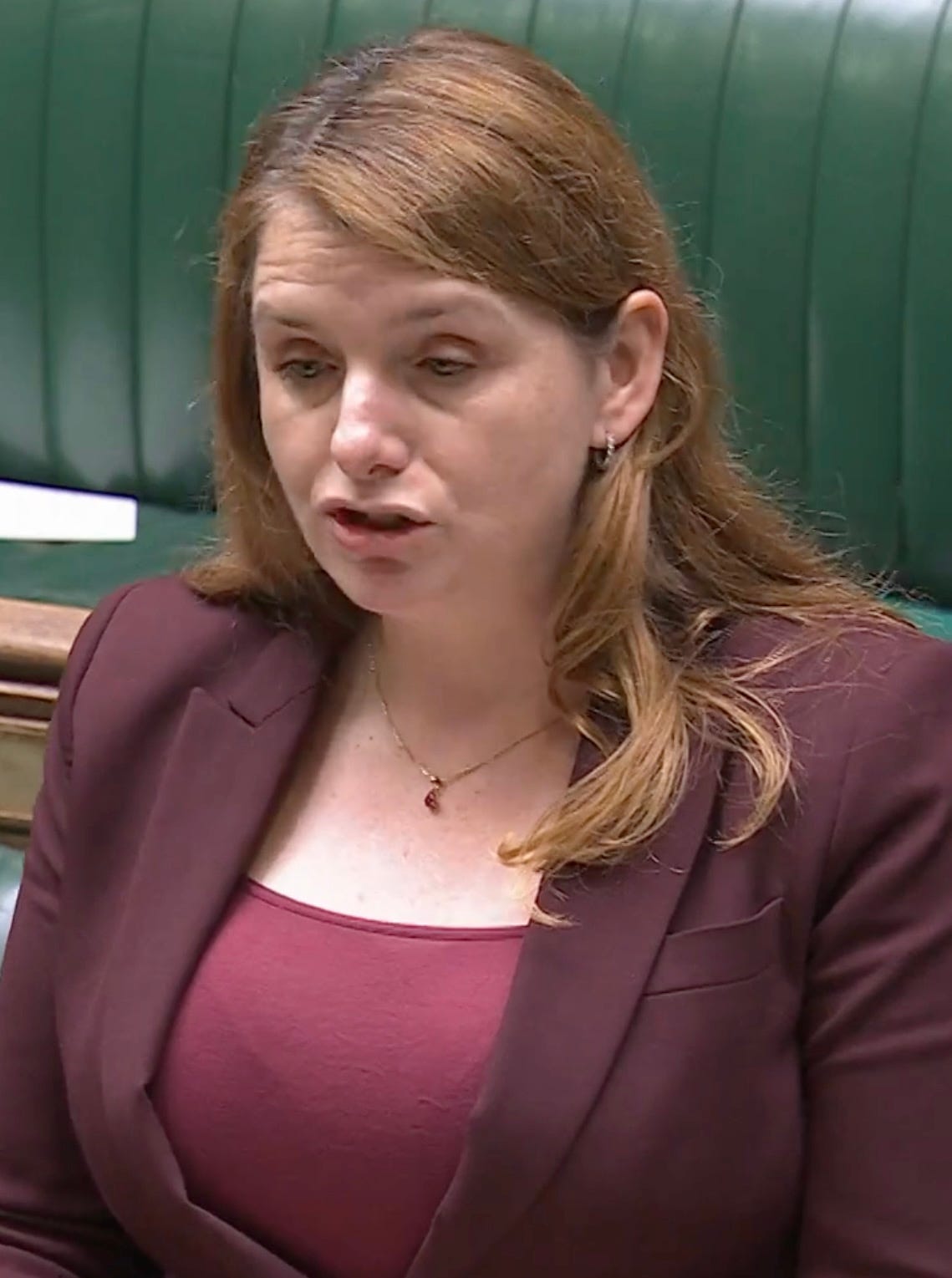
MPs tried to find out more about the promised “National Care Service” from Alison McGovern (Birkenhead, Labour), Minister for Social Care & Mental Health. The Minister seemed to be keen to characterise the care system in class terms, which seems a shame, explaining that social care needs have been overlooked historically because “working-class women never get a fair hearing in this country.”
However, it would probably be fair to say that very few Members found themselves much the wiser about the future path of the National Care Service, but as the minister said at an early stage that she was going to focus on “improving what we can within the care system now” rather than more significant structural concerns, practically all bets and most queries are in reality “off” until after the Noble Lady, the Baroness Casey’s report is completed.
Nevertheless Robert Jenrick (Newark, Reform) had a rather lazy go at labelling the potential taxes needed to pay for any National Care Service initiative as “Death Taxes.” Again. This is how Andy Burnham’s last attempt to address social care back in 2010 was attacked by the Conservatives. Good to know that Jenrick is sticking to the old playbook… Dullard.
Thank you for reading and please check out our instagram @theworldofukpolitics,
Alex
Leave a Reply
You must be logged in to post a comment.