
The Commons said farewell to Sir Keir at PMQs, but the Chamber had been dominated over the previous week by the completion of the “Hillsborough Law”, discussion of the Immigration & Asylum Bill, triggering of the Clacton by-election, reflections on the murder of Anne Widdecombe and exasperation with the haphazard conduct of the US-Iran War in the Strait of Hormuz.
Wednesday 15th July
Sir Keir’s PMQ swansong. But that was really the one thing it wasn’t.
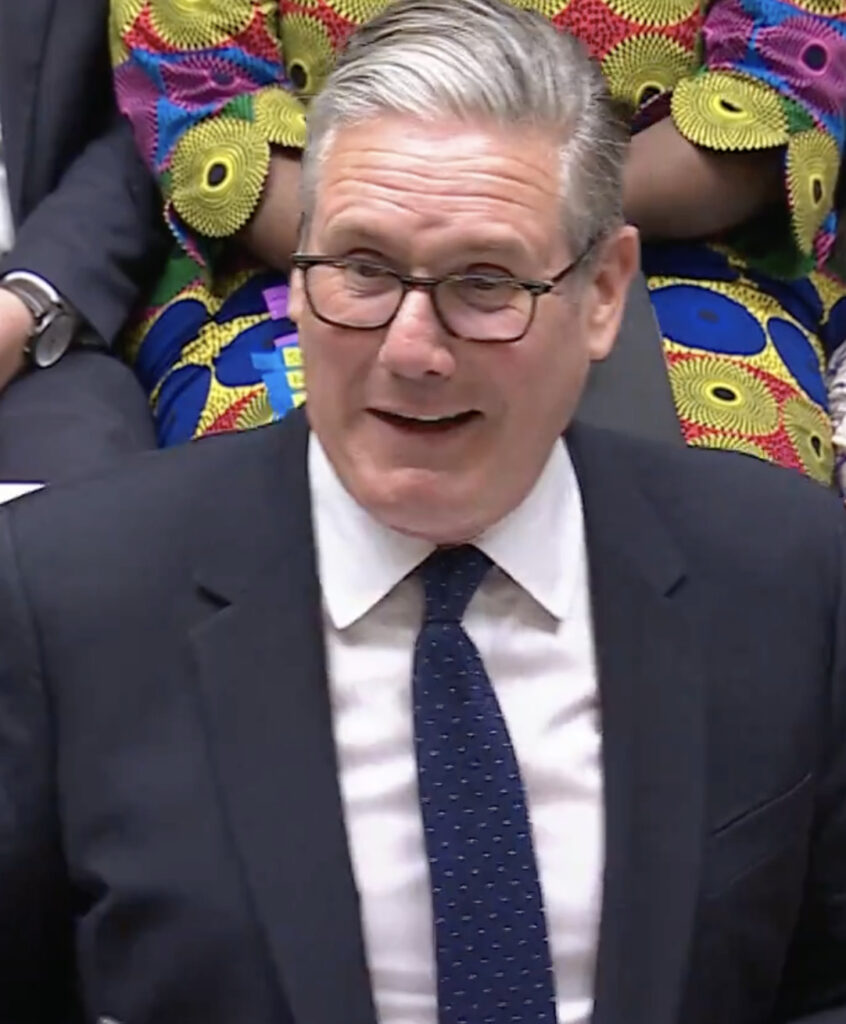
By turns lugubrious and lachrymose and then a rather unfunny joke the PM’s last Q in many ways characteristic of the man. You could sense the earnestness and the hopelessness simultaneously. It felt rather as one would imagine a performance by the Penrith Amateur Dramatic Society (no shade to Penrith) taking on one of Bertolt Brecht’s more challenging works in a new translation specially commissioned for them by Madge from the shoe shop. Oh she’s so talented – particularly considering what a difficult life she had – and of course not being able to speak German must have presented something of an obstacle to her translating efforts.
Sir Keir really never understood what he was meant to do. What he had to do. Everyone tried hard to be encouraging. Supportive.
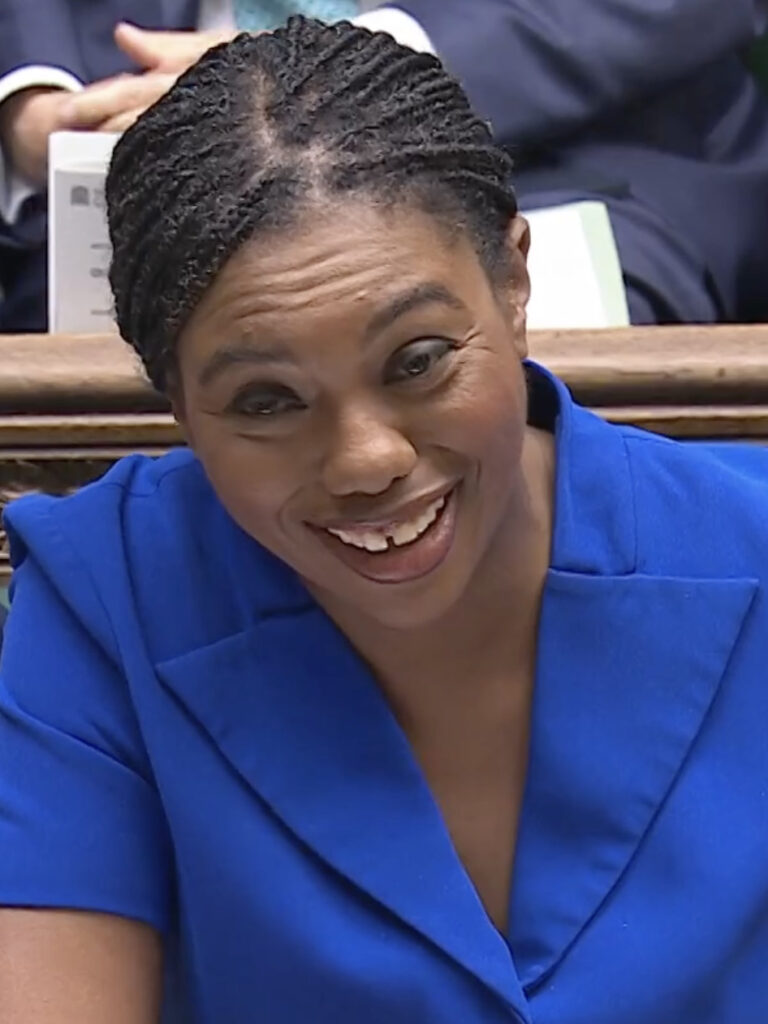
Mrs Badenoch offered up some fairly easy questions, agreeing that Sir Keir’s support for Ukraine and President Zelensky had been the right course of action and laughing at the contest for the ages coming up in Clacton in August. In response, Sir Keir provided one sign of some self-awareness, saying: “I have participated in over 60 sessions of PMQs – always a pleasure and always something to look forward to – and I have answered, or at least given answers, 2,800 times” thereby recognising that he has, in fact, never willingly answered a single question posed to him. Sadly, this strategy that has certainly diminished British public discourse and brought politician ever further in to the gutter of public repute.
PMQs did manage to provide some reassurance to members from virtually all major and some minor parties in the form of the most tortuous “joke” from Sir Ed Davey (Kingston & Surbiton, Liberal Democrat) about Toy Story, trying to link the Member for Makerfield and his likely, but as yet entirely hypothetical tendencies to expand the National Debt, far too tangentially via Buzz Lightyear to “infinity and beyond.” This gave the outgoing Prime Minister, also not a natural comedian, the opportunity to make a joke about Sir Ed being able to save some money on his next visit to Chessington World of Adventures. Oh how they laughed. (Nervously in fact, but it came “close” to landing.) Sir Ed, on the other hand, should find a new line of work as a loo attendant in a holiday camp far, far away.
Still, Sir Keir will always have the Breakfast Clubs. (Or will he?)
Tuesday 14th July
The Commons debated the remaining legislative stages and amendments for the Representation of the People Bill, focusing heavily on the proposed National Commission on Electoral Reform, but was more notable for the appearance of both this week’s Prime Minister and next week’s for the third reading of the “Hillsborough Law” or more properly, the Public Office (Accountability) Act.
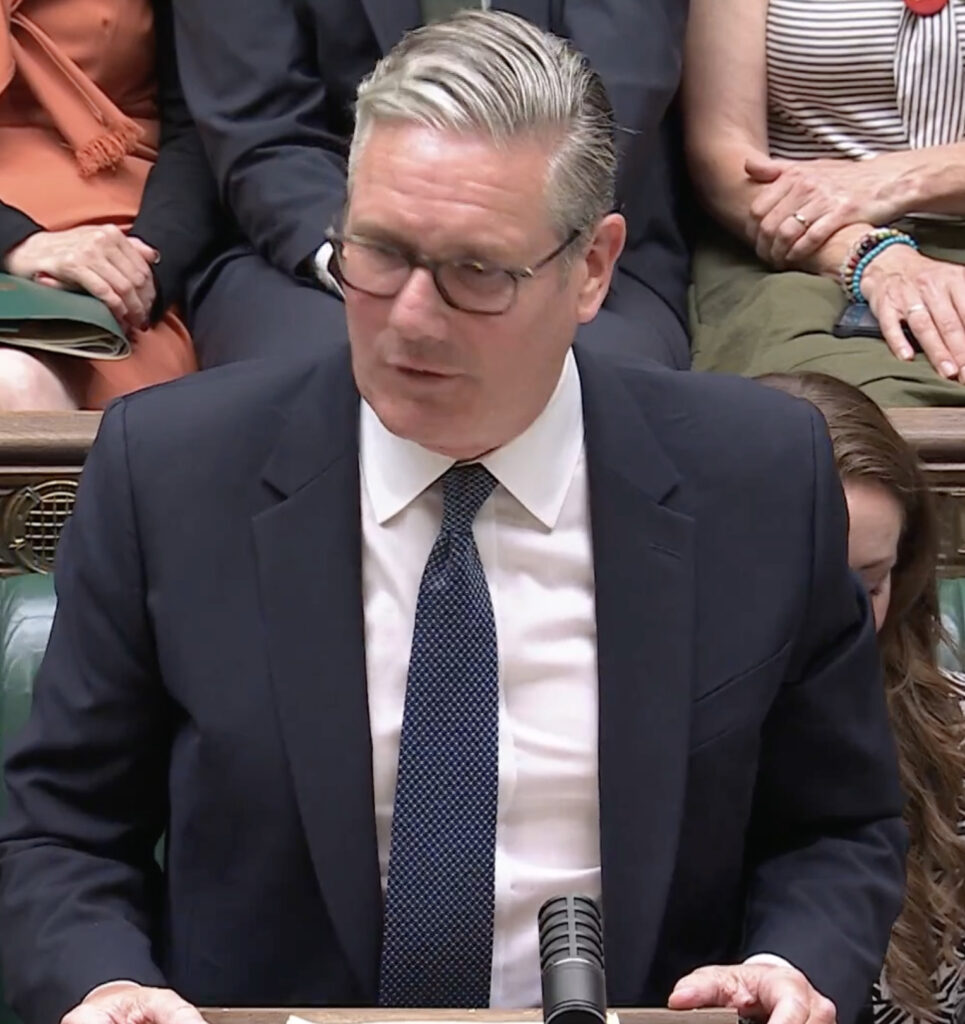
After much delay, this “Hillsborough Law” has been rushed through the House in order to allow the outgoing Prime Minister to claim it as “legacy legislation”, but Dr Kieran Mullan (Bexhill & Battle, Conservative) Shadow Justice Minister, made clear, over the fury of Labour members, that the need for “particular safeguards for the agencies working in national security” had disappeared in the previous 48 hours without debate, discussion, or explanation, simply to enable the outgoing Prime Minister to take credit for the measure.
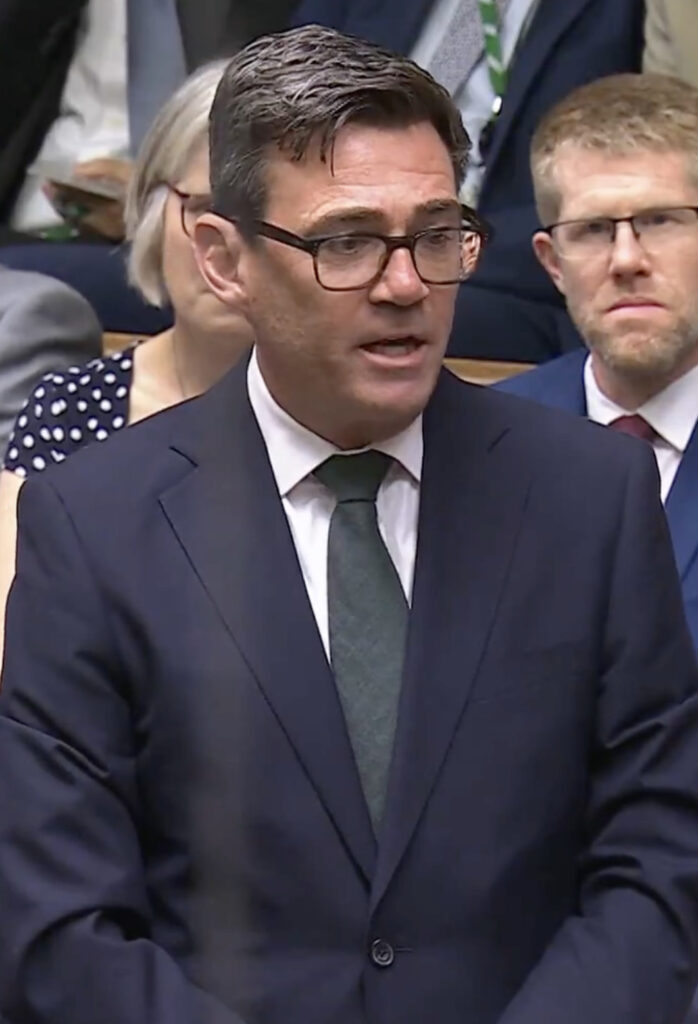
This week’s Prime Minister did not seem to be seriously put out by the new Member for Makerfield’s declaration that “This Bill advances all of these just causes, and the campaign for truth and justice does not stop here; indeed, it accelerates from here. I hope it ends the cover-up culture that has failed so many ordinary people in this country.” Although therefore now carrying serious national security defects, the Act appears likely to become one of the defining pieces of legislation associated with Starmer’s premiership.
The Member for Makerfield appeared to have invested in a new suit. Must be up for interview.
Monday 13th July
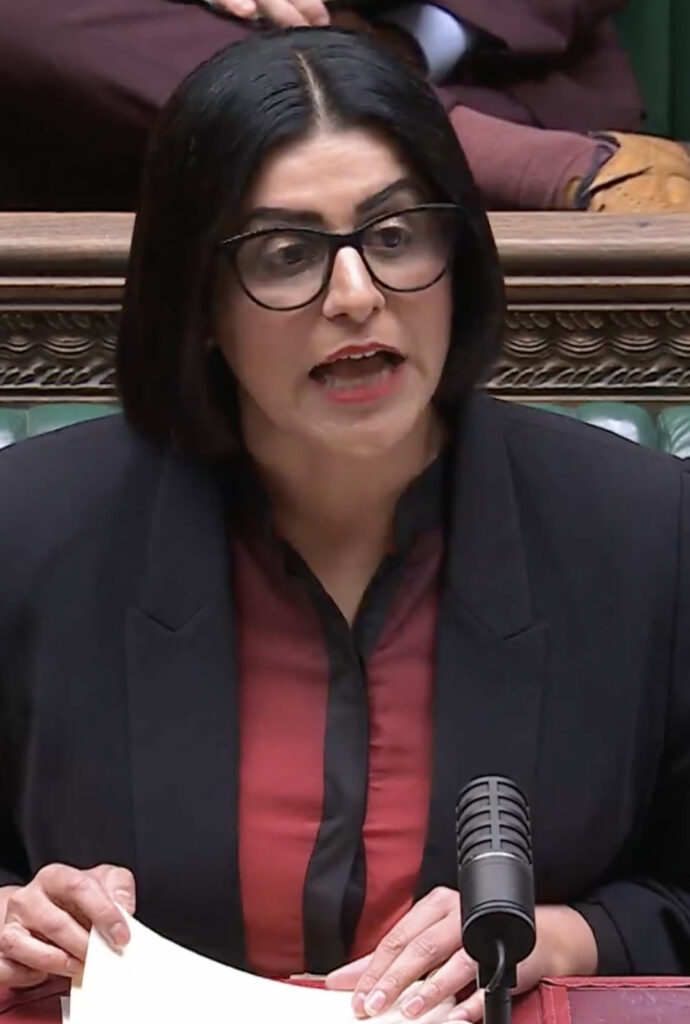
Shabana Mahmood (Birmingham Ladywood, Labour) HomeSec, made a statement about Ann Widdecombe’s murder at 4:25pm, confirming that the investigation had been transferred to the Counter Terrorism command and offering Nigel Farage (Clacton, Reform) a meeting with RAVEC (the Royal and VIP Executive Committee) to discuss his security concerns.
The Home Secretary also confirmed that “the police now have a suspect in custody: a 28-year-old white British man. I can confirm to the House that this man was not known to Prevent.” This is an understandable attempt to make sense of the senseless, but the immediate, knee-jerk reaction of looking for sense and rationality in events such as Ann Widdecombe’s murder seems misguided. Before knowing very much about the probably ghastly details of Ann Widdecombe’s end, it is worth remembering that her murder may have been as senseless as Axel Rudakubana’s stabbing of three little girls at a Taylor Swift-themed dance class a year ago and Valdo Calocane’s murder of Barnaby Webber, Grace O’Malley-Kumar, and Ian Coates in 2023. In the rush to “understand” it is easy to miss the possibility that events are not always the work of rational minds, nor the work of determined terrorists, but sometimes the consequence of mental breakdown and insanity.
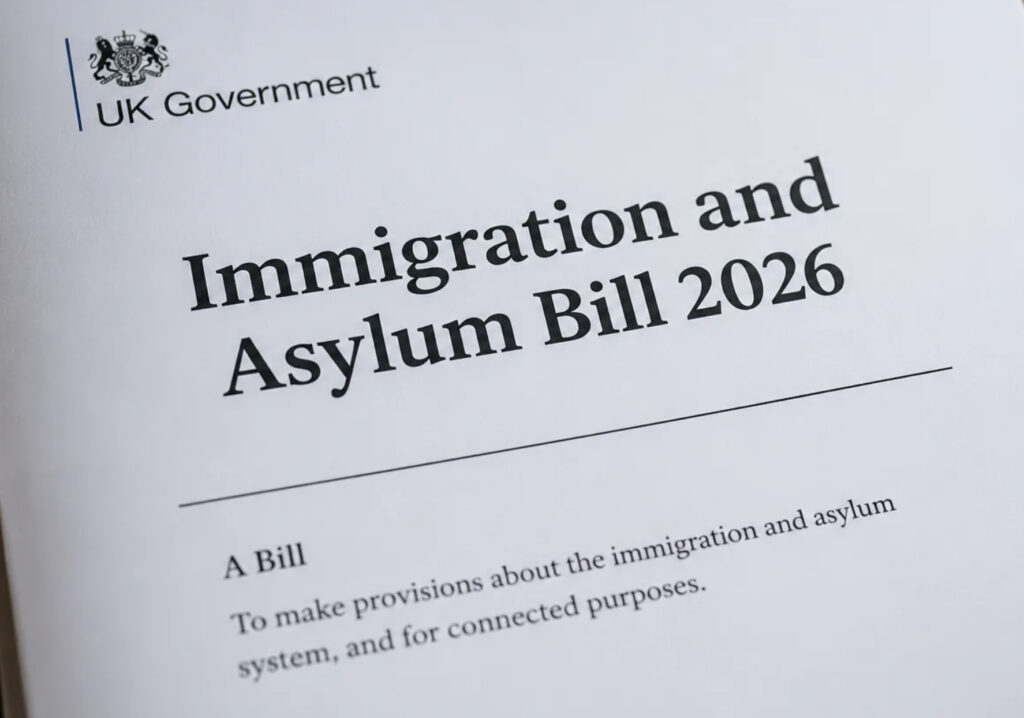
The Home Secretary also had to kick off the pivotal Second Reading of her flagship (and controversial) Immigration & Asylum Bill that proposes a new Independent Immigration Appeals Authority staffed by “adjudicators” rather than judges. The Bill is the vehicle for making the changes to asylum claimants’ and legal migrants’ qualification process for Indefinite Leave to Remain and citizenship. As such it is very unwelcome to a particular section of the benches behind her.
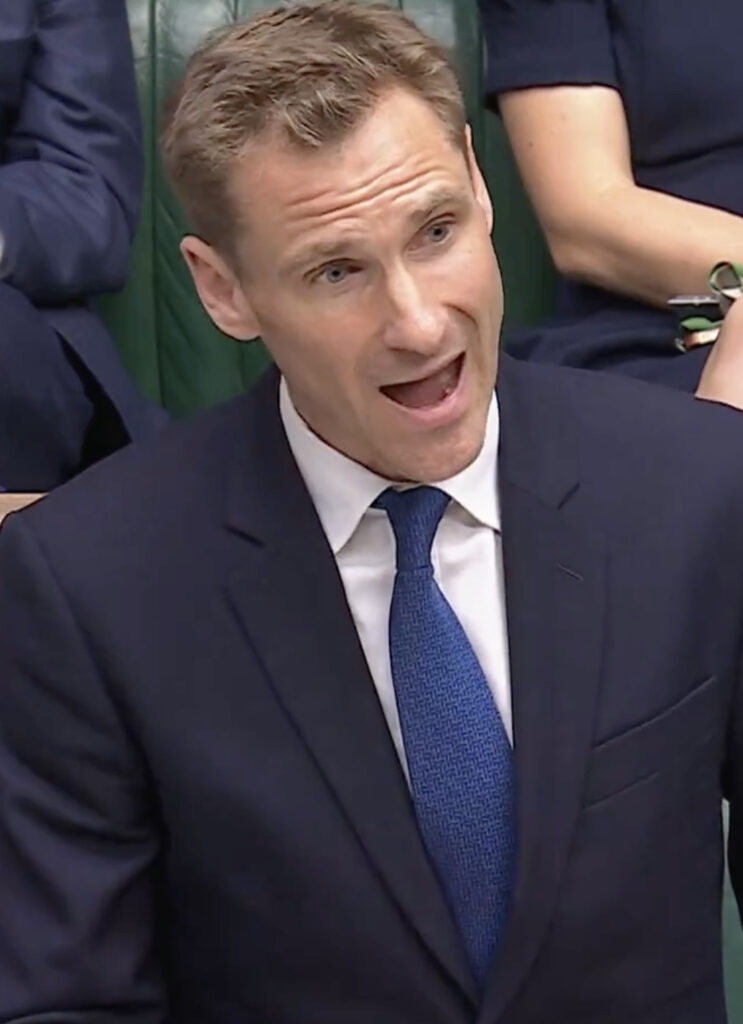
Chris Philp (Croydon South, Conservative) Shadow HomeSec, argued that these measures amounted to “tinkering” and that “The truth is that tinkering like this does not work when we have very expansive rights-based conventions. The only way of fixing this properly is to exit the ECHR entirely, repeal the Human Rights Act entirely, exit the Council of Europe convention on action against trafficking in human beings—the modern slavery treaty—and say that people entering the country illegally, particularly from a safe place such as France, simply cannot claim asylum.”
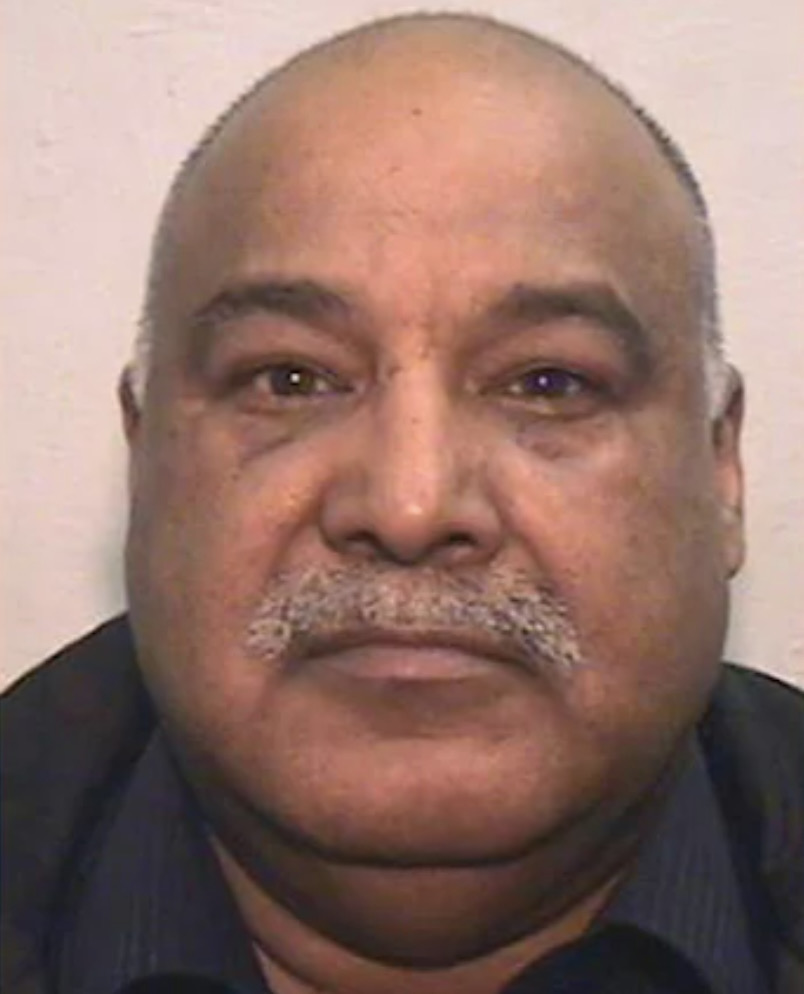
However, the meat of this Bill has been overshadowed by the strong desire to find a way to deport Pakistani-born grooming gang leader Shabir Ahmed and the HomeSec announced an amendment to the Bill that “will provide the Home Secretary with a new power to disapply Section 7 of the Immigration Act 1971 for serious criminals.”
This may satisfy the more determined seekers of Shabir Ahmed’s deportation, but this will still critically depend on Pakistan’s willingness to take this man back, which seems unlikely given that he has lived in the UK since 1967. The debate therefore shifted from deportation to imprisonment, with critics questioning whether attention was being directed towards the wrong issue: why has a 73-year-old paedophile and rapist been released from his UK prison sentence, rather than whether he could be “returned” to a country that he left almost 60 years ago.
Friday 10th July
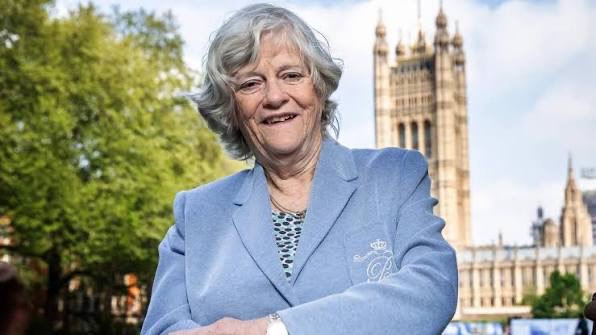
The House was not sitting on Friday when news of Ann Widdecombe’s death first appeared, or when Devon & Cornwall Police announced that they were launching a murder investigation later that afternoon.
Thursday 9th July
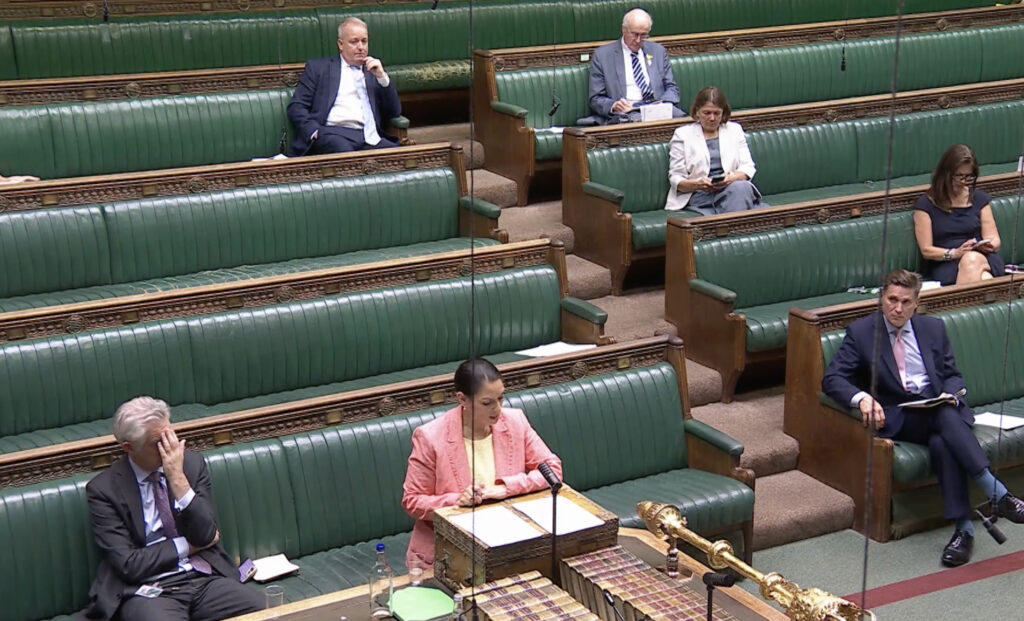
Priti Patel (Witham, Conservative) Shadow ForSec, lodged an Urgent Question for the Government on Iranian violations of the ceasefire, although the House was almost empty. Hamish Falconer, (Lincoln, Labour) PUS FC&DO, condemned the Iranian attacks launched against Bahrain, Qatar, Saudi Arabia and Kuwait.
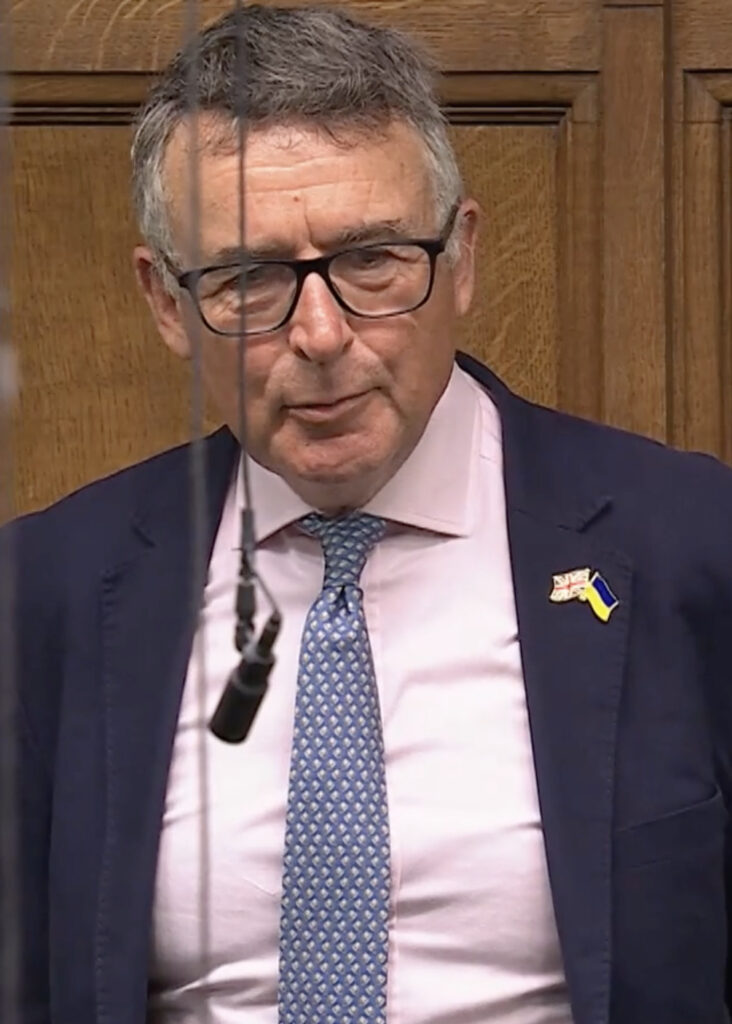
Sir Bernard Jenkin (Harwich & North Essex, Conservative) asked the Government to provide more full-throated support for the American initiative in the Gulf “Rather than hedging our bets, can we not give more unambiguous support – if not military support, then political support – for the United States’ efforts to resolve this conflict?”
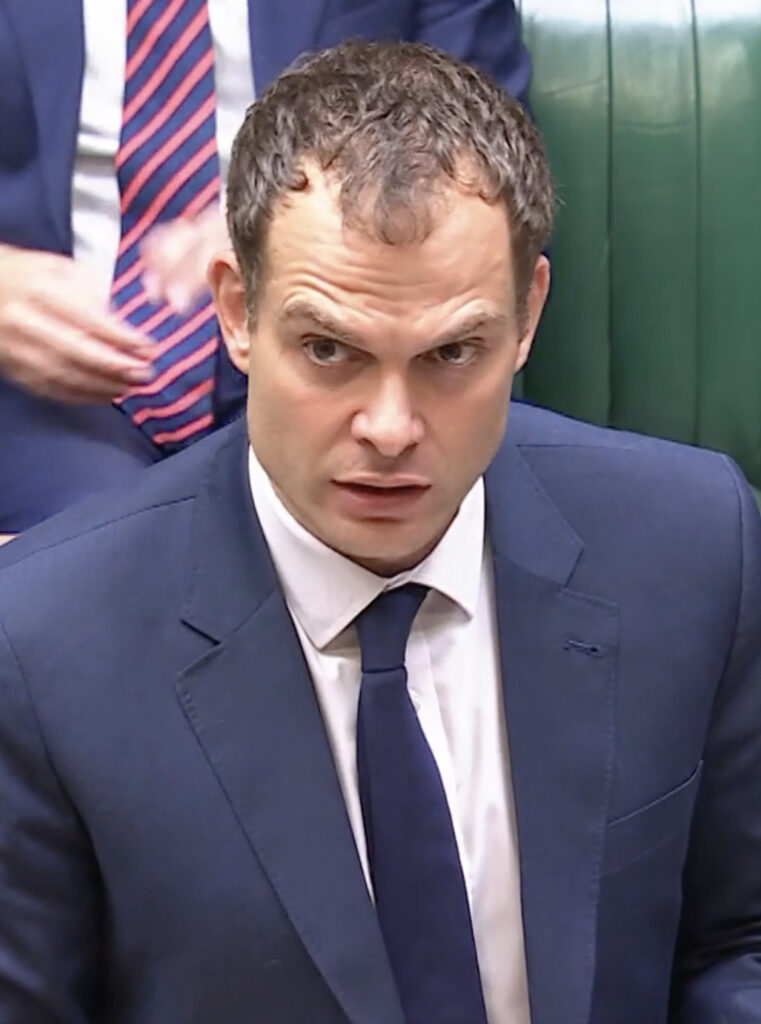
The Hon. Hamish stuck to his line that the British Government’s primary duty was to uphold international law “I do not want to enter into an emotional discussion of these questions. We are absolutely clear that what is happening in the strait of Hormuz and the wider region is a threat to international law.” Fair enough, but hardly inspiring.
In other news:

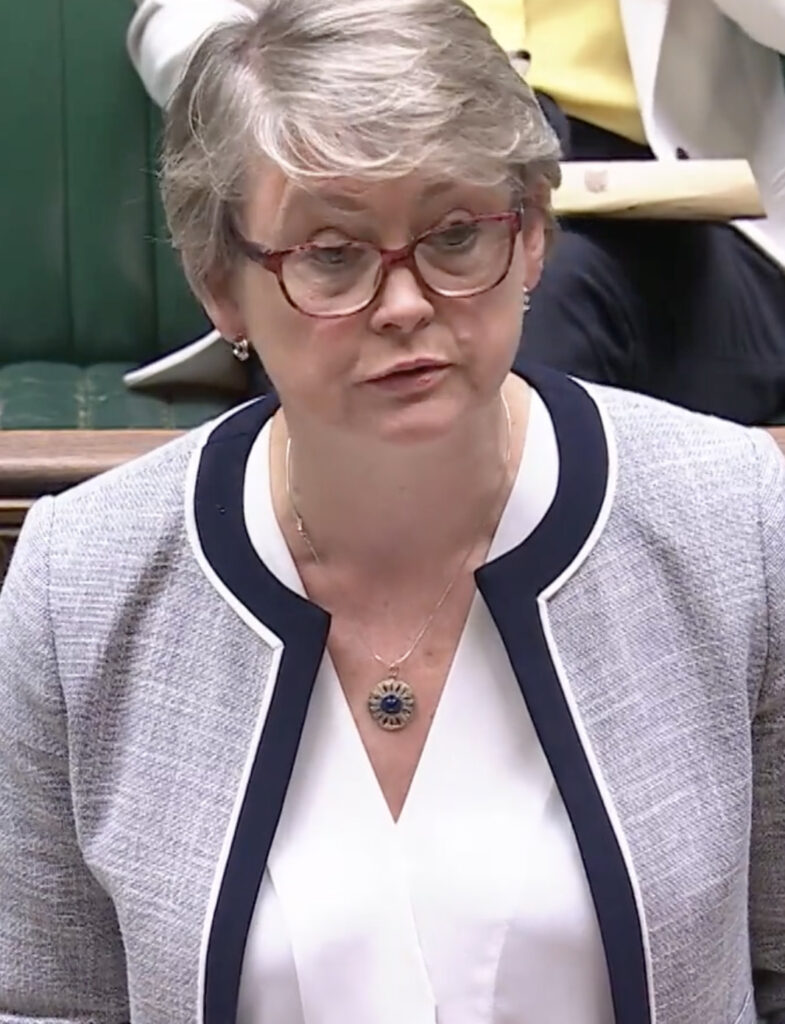
In the absence of the Prime Minister, Yvette Cooper (Labour) ForSec, delivered a fairly vanilla ministerial statement to the House about the recent NATO summit in Turkey, but made it clear that she was still more worried about the situation in Sudan than the Strait of Hormuz or Ukraine. Perhaps the next Foreign Secretary will reassess foreign policy priorities (next week.) That may be a blow to Sudan.
However, Charlie Maynard (Witney, LibDem) made a strong intervention excoriating the behaviour of the President of the USA:
“NATO’s meeting in Ankara was taken over entirely by Donald Trump’s tantrums and threats. He restated his claim that Greenland should become American, threatened the withdrawal of all remaining US troops from Europe and once again lambasted allies for not joining his and Netanyahu’s calamitous war in Iran, which has upended the world economy and worsened a spiralling cost of living crisis for millions across Britain.”
Commons in One Sentence
Parliament this week increasingly felt like an institution preparing for one Prime Minister to depart while cautiously trying to understand the next.
Thank you for reading and please check out our instagram @theworldofukpolitics,
Alex
Leave a Reply
You must be logged in to post a comment.