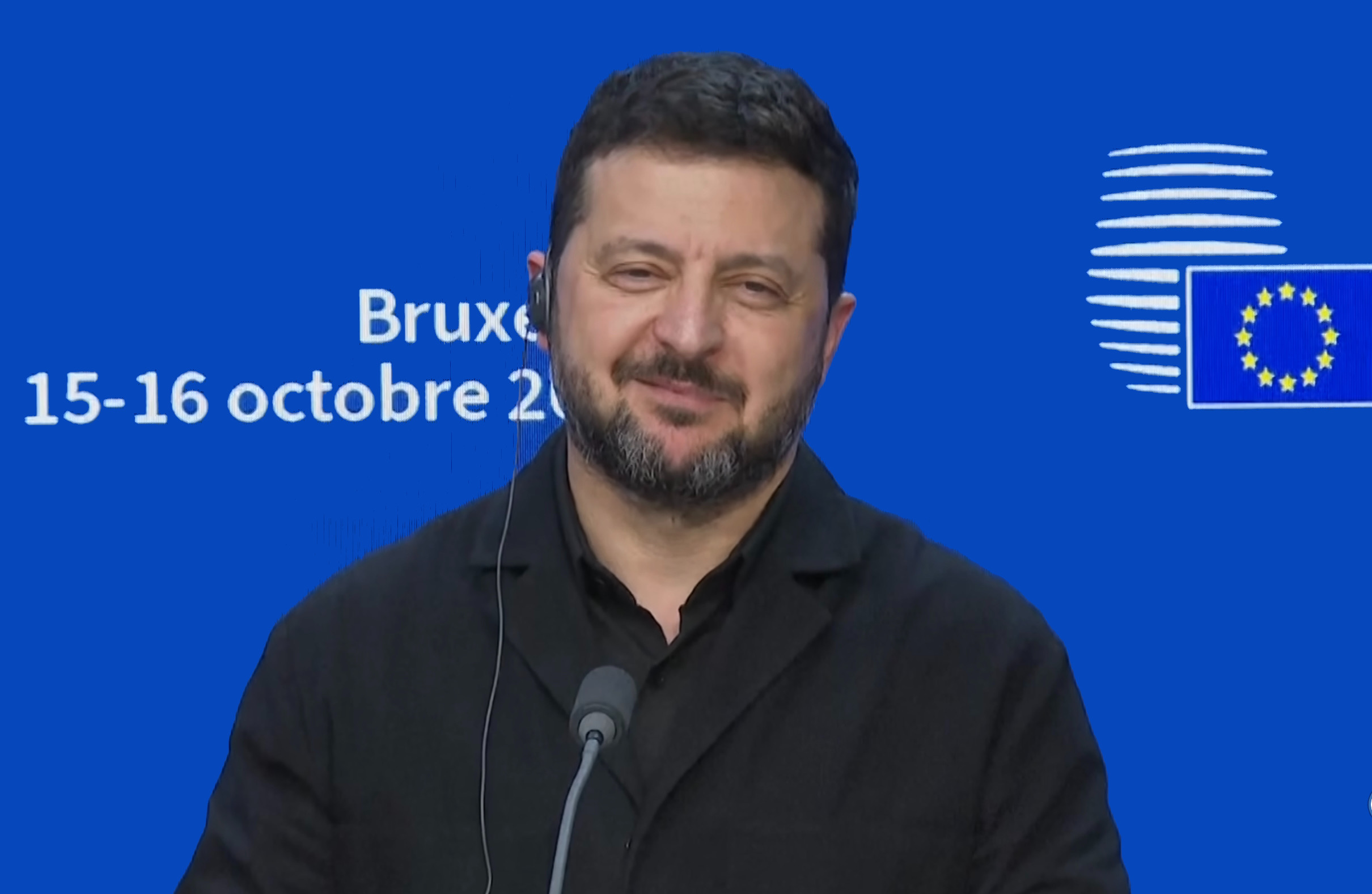
Because, frankly, it is beyond embarrassing.
After a week in which the American administration has once again managed to complicate the defence of Ukraine, the manoeuvrings of Westminster seem almost inconsequential. Almost.
At home Andy Burnham has discovered Europe, the Chancellor has discovered another fiscal difficulty and the Conservatives have discovered that an improvement in their polling does not necessarily amount to public forgiveness.
Burnham aime l’Europe (tactiquement)…
In a new departure, le roi du Nord announced a push for closer ties with the EU in the liberal Dad “The Rest is Politics” podcast on Sunday 11th October. He framed a refusal to seek closer alignment as a “dereliction of duty,” pitching it as vital for economic growth and, ironically for some, immigration control.
… mais le roi du Nord n’aime vraiment pas la Russie!
However, this makey-nicey with l’Europe came after the aforementioned PM stated in the same interview that there had been significant Russian interference in the 2016 Brexit referendum. This was immediately walked back by the current head of MI5 and the former head of MI6 and subjected to withering criticism in the Commons as it appeared to have been snatched from nowhere to justify Burnham’s tactical desire to reopen the Brexit question to destabilise the Conservatives.
Budget dilemmas
Ahead of his upcoming Budget, Chancellor Healey faced stark warnings from the Institute for Fiscal Studies (IFS) over a £35 billion Budget shortfall (Dharshini David, Dearbail Jordan & Tom Espiner, BBC News, 12th October 2026 “Healey faces £35bn Budget challenge to meet spending pledges.”)
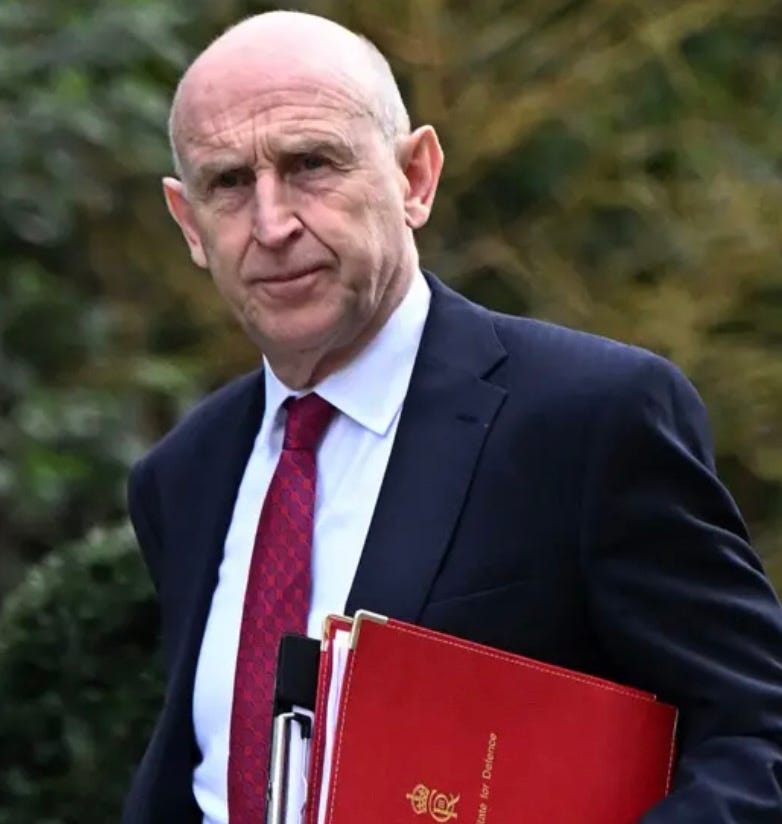
Analysts warned that escalating geopolitical tension with Iran and consequent rises in both prices and debt interest have effectively halved the UK’s fiscal headroom. In this vein, HM Treasury seem to be considering cuts of £1bn to heat pump subsidies in order to preserve defence funding. Once more, this time with feeling: “You can’t have national security without social security!” Also, UK banks warned that the Chancellor has them in mind for a round of extra taxes and business leaders publicly urged him to avoid further growth-stifling tax grabs (Heather Stewart, Jessica Elgot & Kalyeena Makortoff, The Guardian, 15th October 2026 “John Healey poised to raise taxes on banks in budget.”)
Vetting of political appointees
Following the latest Mandelson saga, back in July, Foreign Affairs Committee Chairman Emily Thornberry demanded a formal parliamentary role in scrutinising political ambassadorial appointments, setting a deadline of 22nd October for the F&CO to establish a working group (Anne Lamche, BBC News, 6th July 2026 “MPs seek veto over political ambassadors after Mandelson row.”) The deadline is now looming. Nothing like turning an embarrassment into a land grab.
Bouncing Badenochs
Kemi Badenoch has secured a notable bounce in opinion polls, pushing her party ahead of Reform UK. Observers noted her steady positioning of the Tories as the “adults in the room.” A snap Christmas General Election might require some accelerated growing up.
Green absurdity
Zack Polanski seems to be tilting at reality by refusing to countenance any attempt to change the antisemitic “Zionism is Racism” motion his members passed at their conference while he was missing in action, or at least in St Pancras (Ewan Somerville, BBC News, 18th October 2026 “Polanski says he will not overturn Green Party’s ‘Zionism is racism’ motion.”)
Scots wha hae
John Swinney told the SNP conference that the “stars are aligning” and “Scottish independence is very close” (Katrine Busey, The Independent, 17th October 2026 “‘Stars are aligning’ for Scottish independence”) suggesting that he may be in need of a new telescope. The King of the Not Quite so Far North quickly ruled out holding any independence referendum. The whole independence thing now seems old: no-one has yet explained (after 40 years of questions) how it would be paid for. Until then, perhaps just drop the whole thing?
BUT! Ukraine holds the line despite Trump’s attempt to move the goalposts.
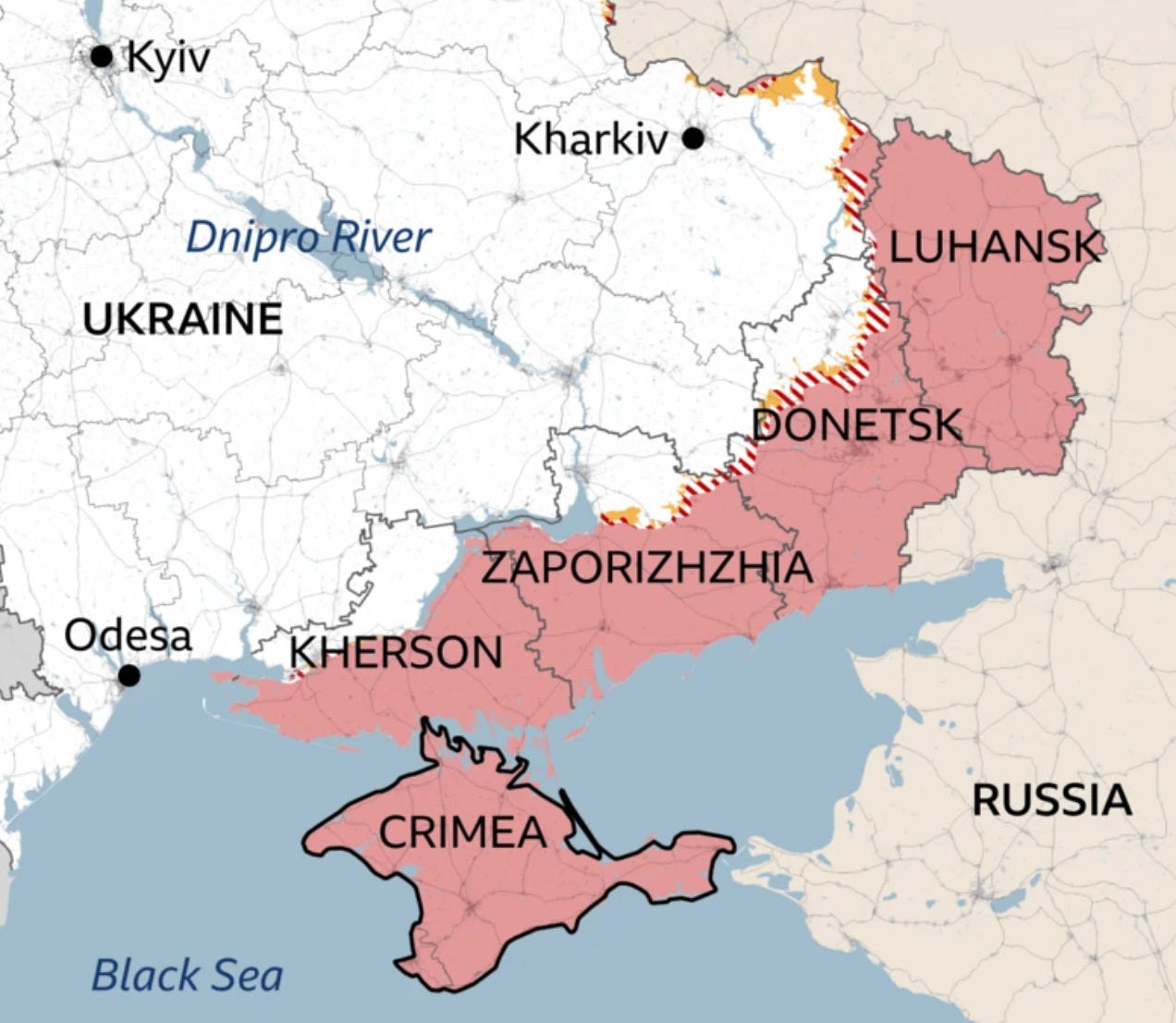
The slowing Russian advance should have constituted reasonably encouraging news for Ukraine. After more than four years of war, Russian forces continue to expend enormous resources securing marginal territorial gains that are measured in square miles rather than provinces (Abdujalil Abdurasulov, BBC News, 13th October 2026 “Russia’s offensive ability is broken.”) Ukrainian resistance has prevented the collapse of its defensive lines and Russia remains a considerable distance from achieving the objectives with which Putin launched his invasion. Unfortunately, the battlefield is no longer the only place where Ukraine’s future is being decided.
Trump’s “Madman Theory” undercut by actual insanity
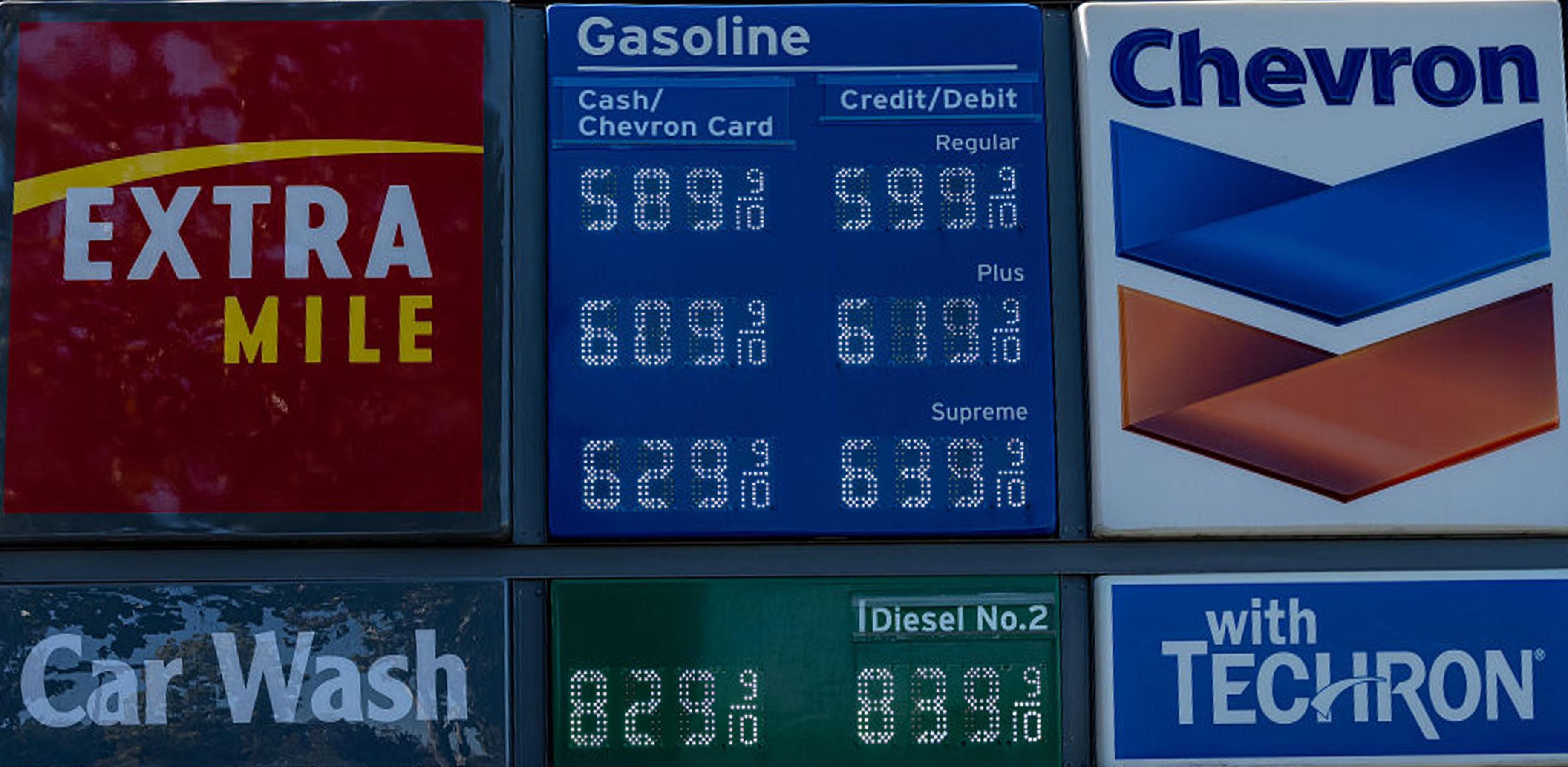
Washington has once again intervened in the conflict, although not necessarily in the manner that Kyiv might have hoped. President Trump, facing pressure over energy prices that have risen as a result of his Iranian adventure, has become increasingly frustrated by his inability to negotiate an end to the Ukrainian war. Having literally just signed the new Graham Act sanctions and tariffs on Russia into law on 18th September the US President decided to relax those sanctions against Russia and press Ukraine to curtail attacks on Russian oil infrastructure. Then, trying to shore up his favoured “madman theory”, Trump announced an “Energy Ceasefire” without consulting either First Friend Vladimir or any part of the Ukrainian government. Of course, that was bound to work.
Meanwhile, in a strange coincidence of timing, American intelligence sharing and Starshield GPS availability suddenly became less reliably available, reducing Ukrainian remote strike capability and removing early warning of Russia’s continuing missile attacks on Ukrainian civilian targets.
The result is a curious reversal. Russia’s military difficulties and economic pressures have not translated into heightened diplomatic pressure on Moscow. Instead, Ukraine finds itself having to defend its position against both Russian attacks and changing American policy priorities.
When a ceasefire is actually a ham sandwich
After Trump’s announcement of the “Energy Ceasefire” Russia launched barrages of drones, missiles and aerial bombs at Ukrainian civilian targets including its energy infrastructure. Having been berated by Trump for his unwillingness to consider a settlement, Zelensky curtailed Ukrainian attacks against Russian energy infrastructure for three days, but after it became clear that Putin would not stop his attempt to break Ukraine’s power network before Winter comes, Ukraine returned to its strikes against Russian oil refineries and gas transshipment infrastructure.
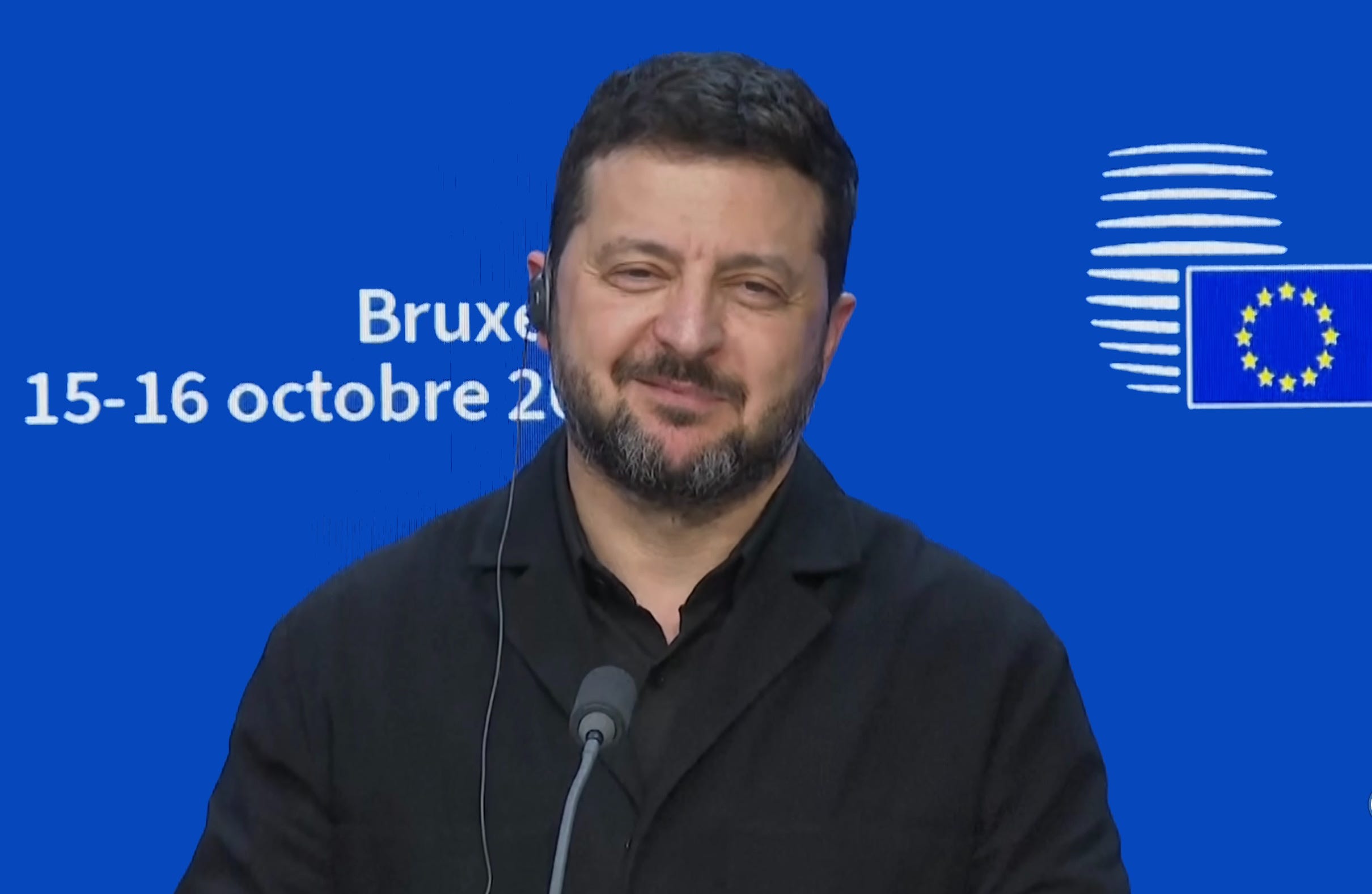
In response to U.S. strategic unpredictability, Ukraine’s European allies have tried to move faster to fill Ukraine’s defence gaps: French President Macron and U.S. representatives have engaged in tense back-and-forths, while the UK and France have announced increased missile supplies to Kyiv. Meanwhile, Ukraine has successfully taken steps to reset diplomatic ties with Hungary as it targets final EU accession steps.
The next six months are likely to be defined by heavy structural warfare and high-stakes geopolitical manoeuvring, rather than any major territory handovers. Military analysts emphasise three key variables that will dictate who holds the operational advantage: speed of technological innovation, logistical and infrastructure interdiction and air defence availability.
Putin must be stopped. Ukraine must be freed.
UK assistance to Ukraine seems to have been defined reactively ever since 2022, with piecemeal assistance announced in reaction to the next element of Russian aggression. It is beyond time to map out a concerted strategy to defend Ukraine, minimise Ukrainian casualties and encourage the end of hostilities on terms that could be acceptable to the Ukrainian people after four years of heroic resistance.
As Russia’s invasion approaches its fifth anniversary and with American “support” increasingly unpredictable, the time for half-measures is running out. Ukraine has demonstrated that Russia cannot simply impose its will by military force. The question is whether Europe’s political leaders can demonstrate the determination to ensure that Russian aggression does not succeed simply by exhausting the patience of Ukraine’s allies.
Leave a Reply
You must be logged in to post a comment.