The central political fact of the week is that the Prime Minister now faces not simply criticism, but procedural damage (which is not without irony for the “Process PM”!) Authority that had been trickling away from the PM already is now in full flood. HMS Starmer, which has been sailing around aimlessly for some months, is now sinking after torpedoing itself needlessly with a process failure that has shown just how inadequate this vessel is for high office.
Following weeks of uncertainty over the Mandelson appointment and the dismissal of Sir Oliver Robbins, the Speaker’s decision to accept a motion proposing referral of the Prime Minister to the Privileges Committee marks the first moment at which the controversy has begun to move from Press narrative to parliamentary mechanism.
Governments can survive headlines. They find it harder to survive procedure.
The Privileges question arrives
The Commons debate on whether the Prime Minister misled Parliament over the Mandelson appointment was never likely to produce a referral. Downing Street’s decision to whip Labour MPs against the motion ensured that, but it did alter the political landscape.
By whipping the vote, the government prevented the Prime Minister from claiming the informal confidence of unwhipped Labour backbenchers. Instead, the division simply confirmed that dissatisfaction is widespread, but has not yet crystallised into an organised revolt yet.
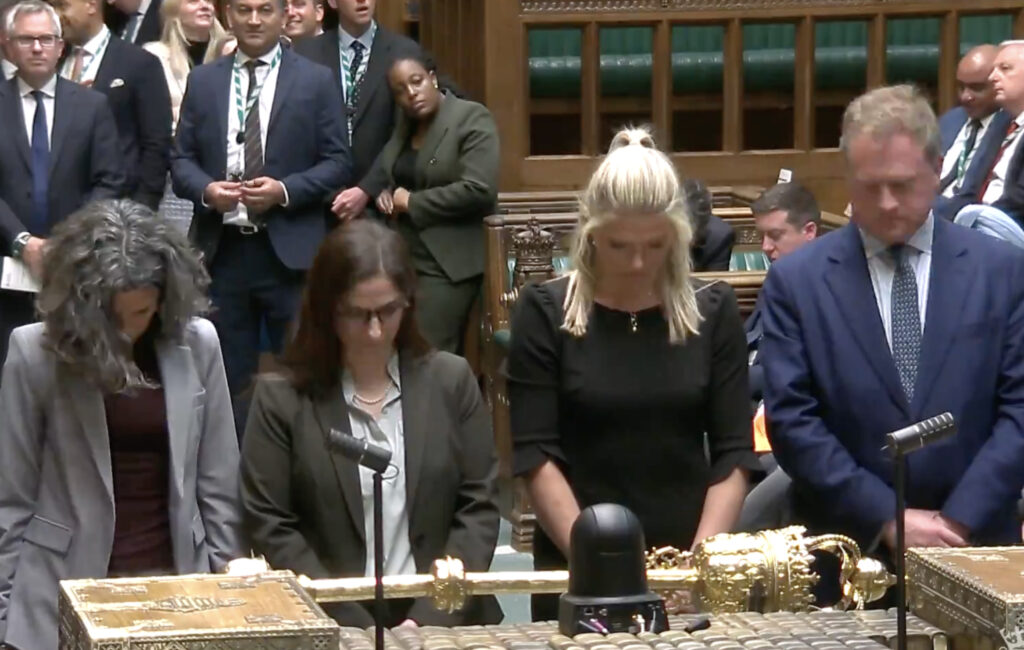
223 – 335
The underlying difficulty remains unchanged. Either due process was followed in the Mandelson appointment, in which case the dismissal of Sir Oliver Robbins KCMG CB becomes difficult to explain, or it was not followed, in which case the Prime Minister’s repeated Commons assertions become difficult to defend.
Neither explanation is politically comfortable and the dismissal of Sir Ollie also reveals an upsetting and unflattering insight into Starmer’s personal character.
Once questions about ministerial statements move from headlines to procedure, they become harder to contain.
Leadership manoeuvres begin in earnest
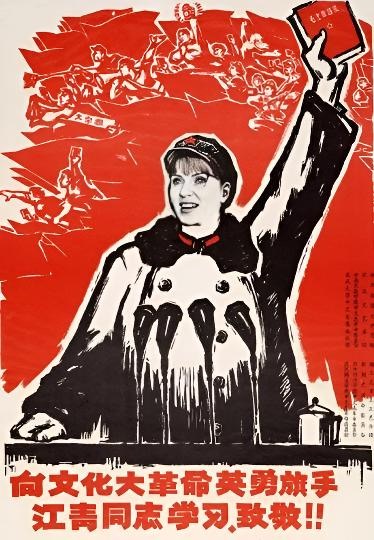
Reports that the Prime Minister offered Angela Rayner a return to Cabinet at the next reshuffle (presumably sometime next week) in an effort to stabilise the leadership position underline the extent to which the Mandelson affair has shifted from a procedural dispute to a succession question (Tony Driver, Daily Telegraph 28th April 2026, “Starmer offers to bring Rayner back into Cabinet.”)
At the same time, Labour’s National Executive Committee is reported to have softened its February stance on the Denton & Gorton decision that ruled out Andy Burnham’s return to the Commons. (Camilla Turner Daily Telegraph 2nd May “Burnham wins over Labour’s ruling body.”)
The “unintentional” circulation of Wes Streeting’s reported “Plan for Government” to Labour MPs (and, it seems, to 10 Downing Street staff, oops) also reinforces the impression that the party is already positioning itself for a post-Starmer leadership phase (Oliver Partridge, GB News, 1st May 2026 “The current Health Secretary has secured backing from more than 81 party colleagues.”)

Streeting is pushing hard to move on an “anyone but Ange” platform before Burnham can qualify for the succession.
None of this amounts to a formal challenge. Taken together, however, it suggests that Labour MPs are preparing for imminent action.
Evidence without resolution
Evidence given by Sir Philip Barton and Morgan McSweeney to the Foreign Affairs Committee added little clarity to the Mandelson timeline. After Sir Oliver Robbins’s earlier appearance before the committee, expectations of further disclosures had risen.
Instead, the session confirmed what has increasingly become the pattern of the episode: process without closure. Kate Whannel, BBC News, 28th April 2026 “Key points as MPs question ex-senior aide about Mandelson appointment.”)
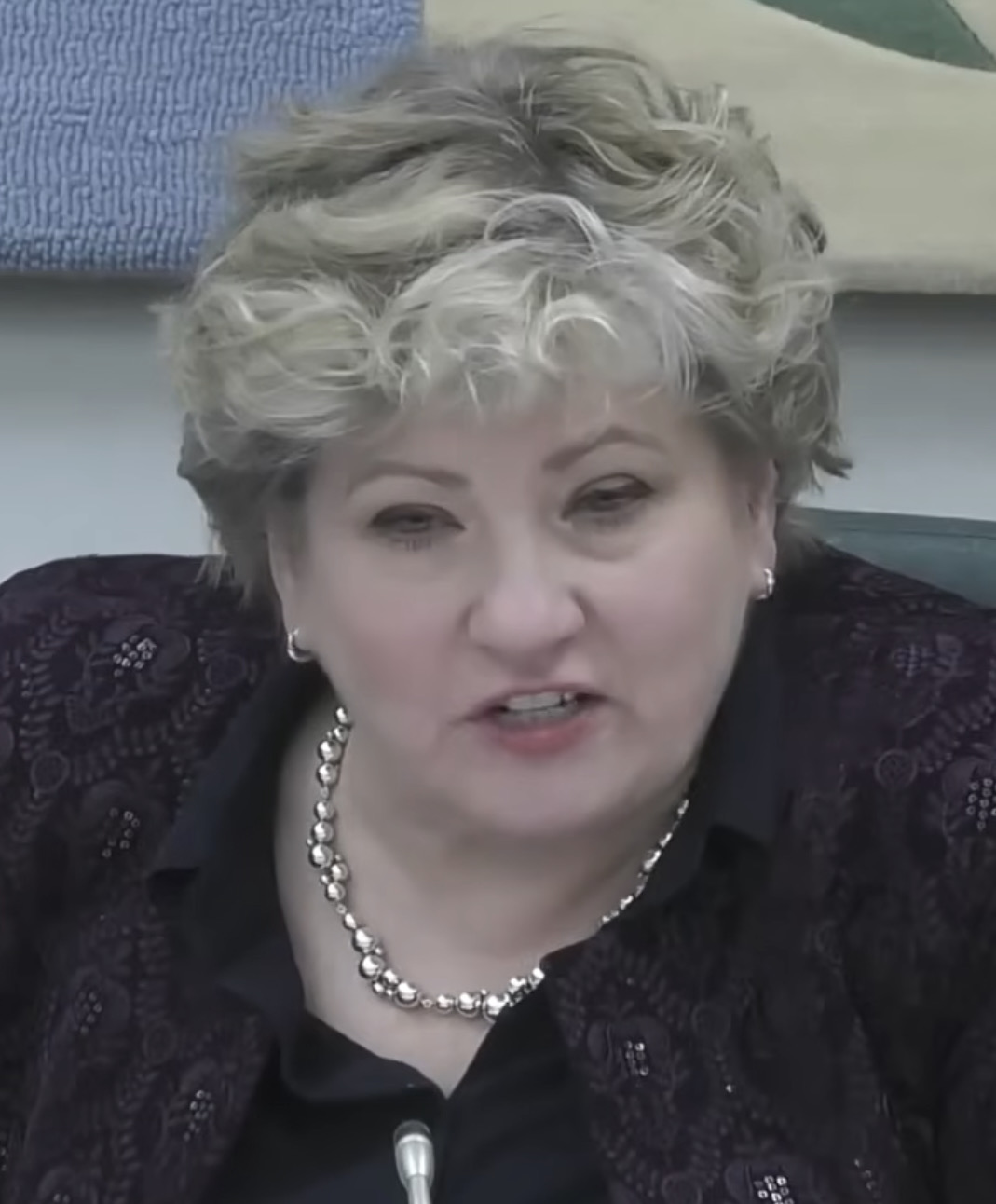
That pattern now matters more than the original appointment itself. Starmer has increasingly presented himself as reliant on process, but without demonstrating consistent political control over its outcomes.
The Crown in America
If Westminster spent the week discussing procedure, the monarchy spent it practising diplomacy.
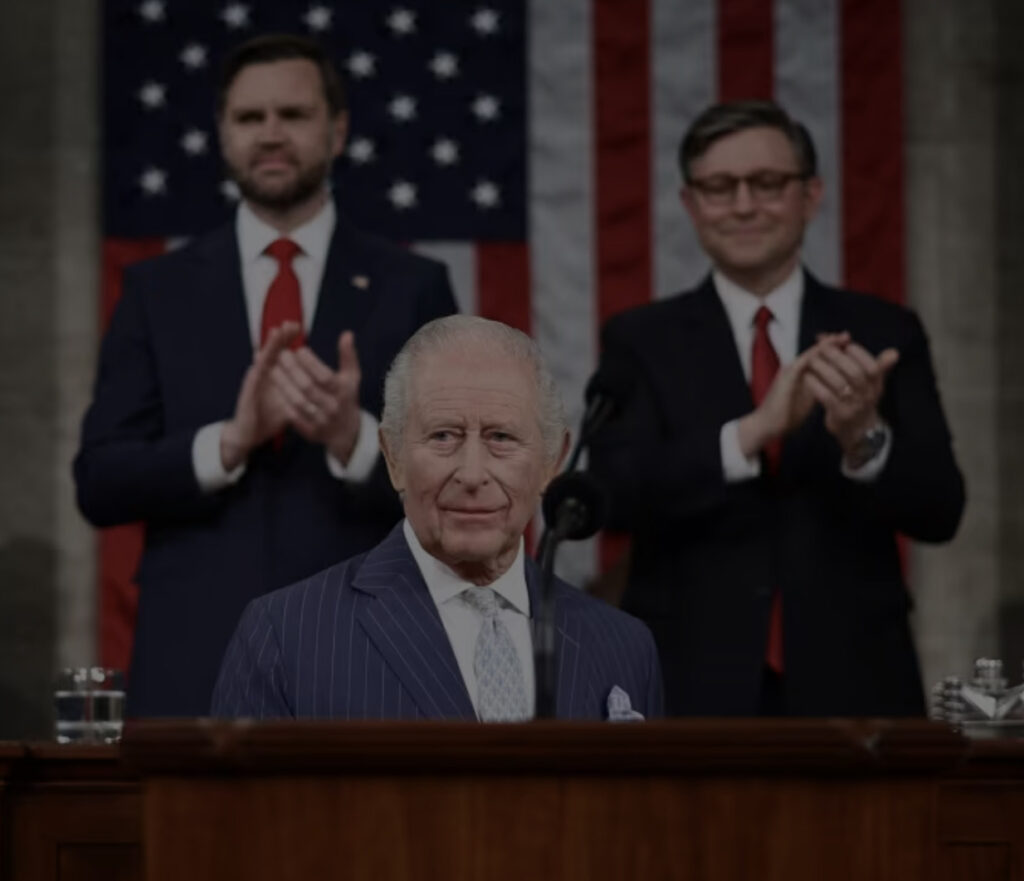
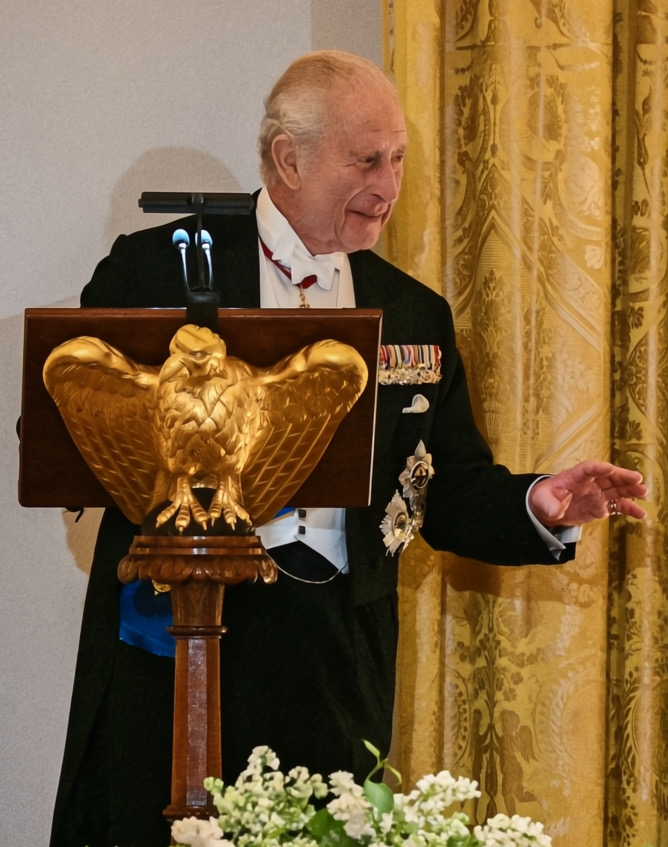
The State Visit to the United States by TM King Charles and Queen Camilla appears to have been received very positively on both sides of the Atlantic. In the short-term the visit produced the removal of US tariffs on Scotch whisky but, more significantly, demonstrated once again that the Crown continues to function as one of Britain’s most effective instruments of soft power.
The striking feature of the visit was not ceremonial success, but rhetorical clarity wrapped in deprecating humour. References to Magna Carta, the Bill of Rights and the importance of alliances were delivered by a constitutionally constrained monarch to a democratically elected president increasingly sceptical of both. (“ Simon Tisdall, The Guardian, 2nd May 2026 “The King went to Washington to save Britain’s bacon. He may also have shown the US how to save itself.”)
That contrast between Starmer’s stolid process obsession and the Crown’s clever carve-out of space to say what has become virtually unsayable in Trump’s orbit did not go unnoticed by commentators on either side of the pond. A standing ovation in which Republicans and Democrats joined? Gasp. Checks on executive powers? No way! Alliances are necessary. Heads shake. Accountability for actions? Check.
Back at home however, the King’s elegantly delivered lectures also underlined a feature of recent British politics: diplomacy in TrumpWorld is increasingly conducted outside direct governmental control.
Local elections approach
With polling day approaching on Thursday 7th May, the most striking features of the local election campaign remain its simultaneous invisibility and inevitability.
Expectations remain that Labour will lose control of a substantial number of councils, but that the Conservatives will struggle to convert dissatisfaction into recovery as the gains will be distributed between Reform and the Greens, with “no overall control” emerging as the most frequent outcome (Sam Freedman, Substack, 16th April 2026, “Elections 2026: The Five Battlegrounds.”)

Such results rarely produce immediate realignment. They do, however, reinforce the perception that the system is fragmenting rather than consolidating.
Reform’s position within this landscape remains ambiguous. Strong national polling has not translated into a visible parliamentary role during the Mandelson episode. Weeks dominated by executive accountability are precisely those in which opposition presence matters most — and those in which Reform’s limited Westminster footprint has become very obvious. Danny Kruger and Richard Tice are competent, but they can not alter Reform’s parliamentary presence by themselves.
Whether that reflects strategic caution from Reform ahead of polling day, or structural limits to Reform’s vote will become clearer once results are declared on 8th May.
Security at home

A knife attack by a 45 year-old British citizen originally from Somalia on two members of London’s Jewish community in Golders Green on 29th April followed earlier attacks on Hatzola ambulances in the same area and the synagogue attack in Manchester in October 2025.
It was no comfort that the suspected attacker was revealed to have been in the care in the care of South London & Maudsley NHS Trust after a long history of mental illness or that he had been referred previously to the PREVENT programme. (Although the former does make the treatment of the attack as a “terrorist” event seem highly questionable.)
Political responses have largely followed an unconvincing pattern of condemnation and solidarity statements. The cumulative pattern of recent anti-semitic incidents, however, suggests a significant security challenge.
The conflict that began with the Hamas attacks on 7th October 2023 and expanded into Lebanon in 2024 and Iran in 2026 is beyond the capacity of any British government to resolve. The protection of British citizens affected by its domestic consequences must however be a priority that is dealt with openly and emphatically. “Thoughts and Prayers” are not enough.
The protection of British citizens affected by these tensions is a domestic responsibility. That will require more than statements of solidarity. It will require a clearer articulation of how security, policing and community relations are to be managed in a more volatile environment.
Ukraine, still
Meanwhile the war in Ukraine continued to recede from British headlines without receding from reality. European governments are increasingly planning on the assumption that support for Kyiv will need to be sustained with reduced American participation.
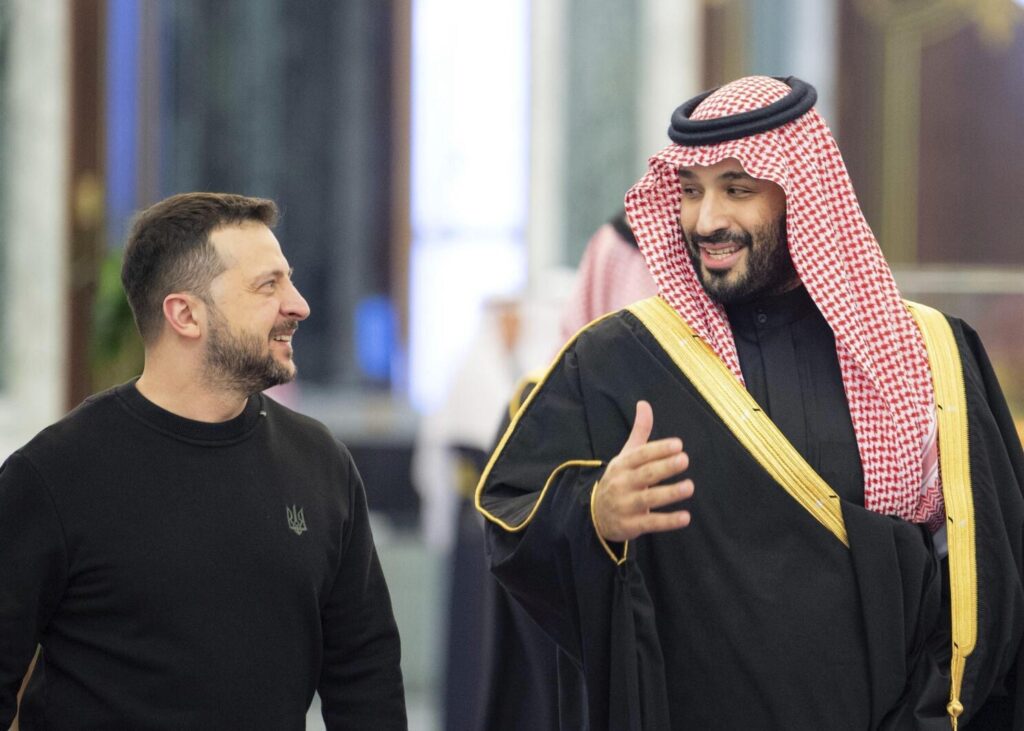
There are counter-intuitive signs that the Iranian War has actually benefitted Ukraine in the short-term both on the ground (Institute for the Study of War, 2nd May 2026 “Russian forces in April 2026 suffered a net loss of territory controlled in the Ukrainian theater for the first time since Ukraine’s August 2024 incursion into Kursk Oblast”) and strategically as drone-technology skills have become suddenly more attractive to potential allies (Katya Adler, BBC News, 3rd May 2026, “The Iran war has strengthened Ukraine in surprising ways.”)
Despite Trump’s loosening of sanctions on Russian oil in March 2026 and the consequent increase in the Kremlin’s oil income, there are signs that Russian “public” opinion, although quietly expressed because of State controls, has moved because of the continuing body count and economic pressures of Putin’s Special Operation
VTsIOM’s poll still shows 66% approval for Putin in April, even if this is quite a significant decline form 77% in early-March (Sky News 24th April 2026 “Putin’s approval rating falls to lowest since Ukraine invasion.”) There may not be visible cracks as yet, but there is certainly movement in Russian opinion.

What comes next
The Prime Minister has not fallen, but the machinery around him is now moving in ways that suggest others are preparing for an imminent challenge.
Referral motions, leadership manoeuvres, committee evidence sessions and quiet changes inside party structures rarely occur simultaneously without specific cause.
Authority rarely disappears overnight. It erodes until it becomes obvious that it has already gone.
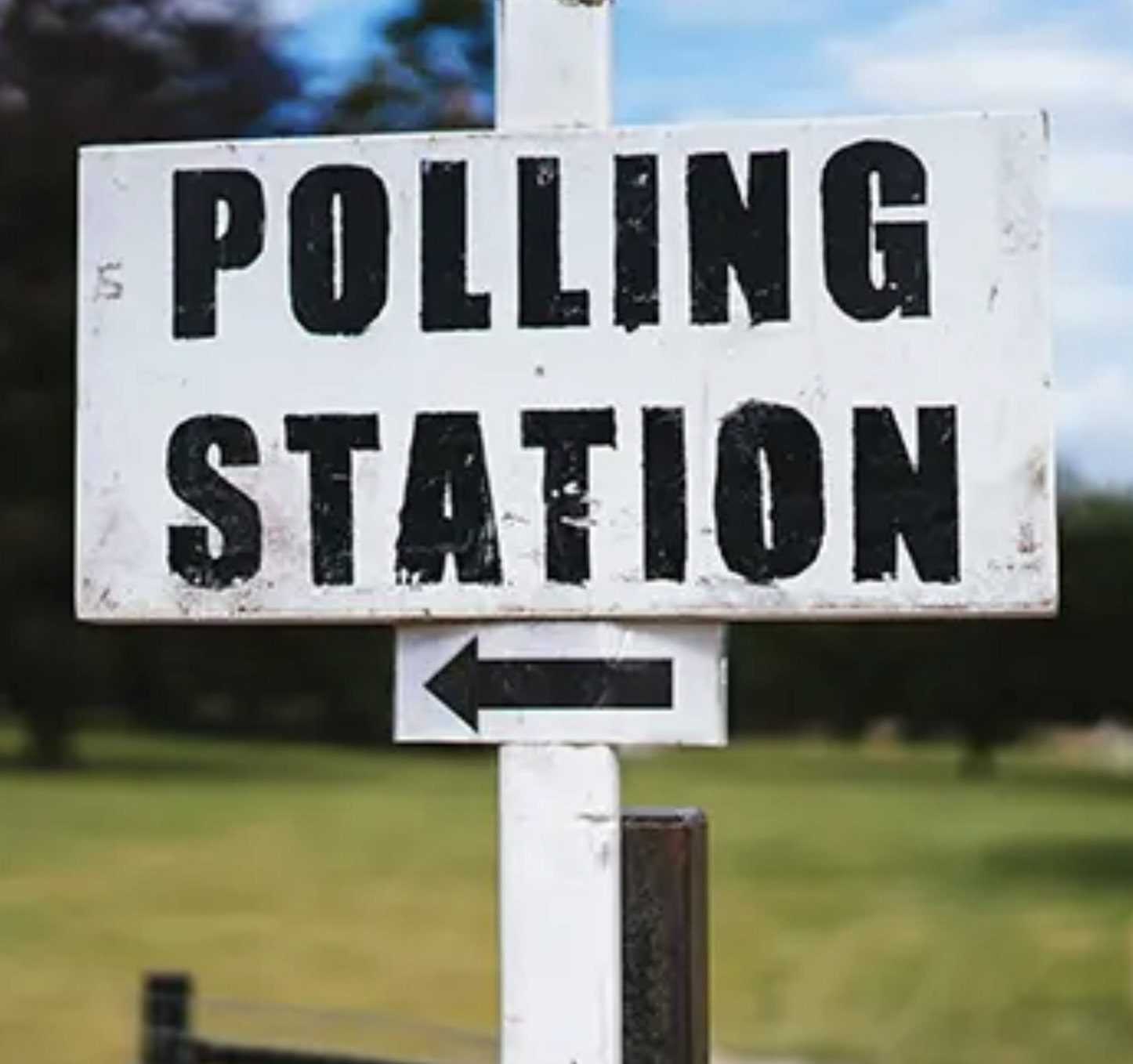
Thursday’s local election results may not decide the Prime Minister’s future, but those results are increasingly likely to clarify whether Parliament has already reached its conclusion.
Check us out on insta @theworldofukpolitics
Leave a Reply
You must be logged in to post a comment.