
Erosion of authority is rarely dramatic. It is cumulative: decisions that do not settle arguments, dismissals that do not resolve questions, explanations that do not explain.
That process now appears to be entering a new phase for the Prime Minister, who surreally promises to lead Labour in to the next election in 2029 (Aletha Adu & Pippa Crerar, The Guardian, 26th April 2026 “Keir Starmer vows to lead Labour into next general election after bruising week”)

The Mandelson affair continues to bulldoze its way through Westminster, (Kate Whannel, BBC News, 22nd April 2026 “PM’s ex-chief of staff to give evidence on Mandelson vetting”) but it is no longer simply a story about one appointment. It has become a test of whether the Prime Minister retains control of the system around him.
Mandelson without resolution
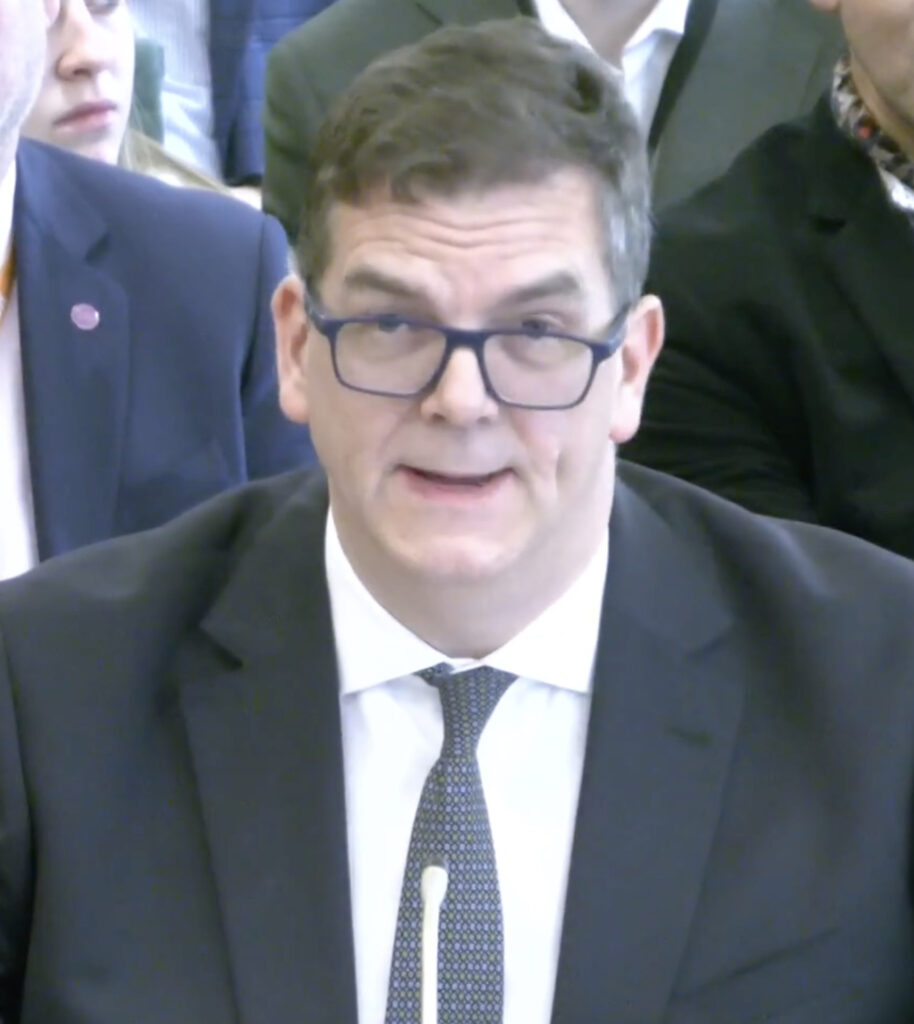
Sir Keir Starmer’s decision to dismiss Sir Oliver Robbins KCMG CB (see pithy and excellent commentary), apparently for carefully following the “due process” that the Prime Minister routinely describes as central to his mission, was intended to draw a line under the affair. It has not done so, in part because “the process” involved not telling ministers the substance of vetting reports.
Sir Olly’s sudden dismissal resolved nothing, but it has made the Prime Minister seem both ignorant of the process and surprisingly petty in moving to dismiss a senior civil servant without pausing to understand the process that the PM professes to respect. (Hannah Keenan, Institute for Government, 20th April 2026, “The Mandelson vetting blame-game is causing serious damage to ministerial-civil service relations”.)
The story has moved beyond Mandelson himself. It now concerns the credibility of the processes through which government operates and the Prime Minister’s relationship to those processes. It seems very much as if Sir Keir does not understand the levers he can pull, or the consequences of pulling them.

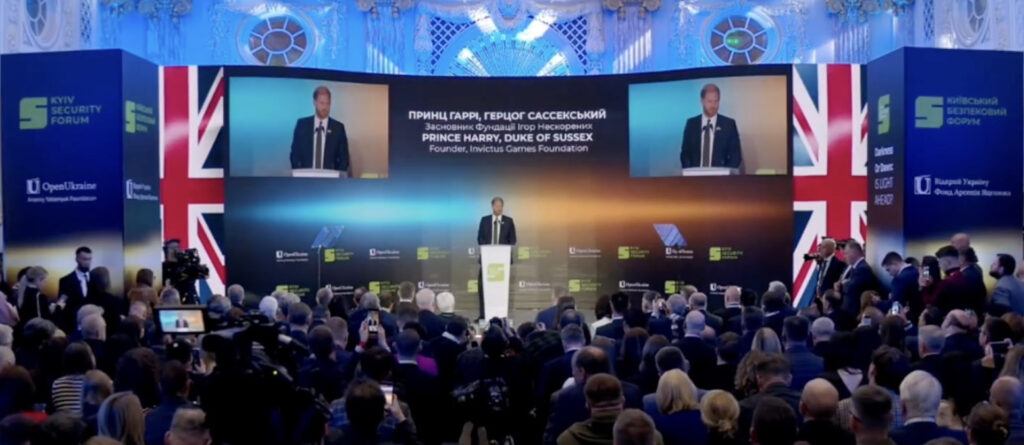
For those not of too sensitive a nature, catch a brief interchange between Morgan McSweeney and BBC-er Mark Lobel at the Kyiv Security Forum, 23rd April 2026, an appearance made slightly surreal by the Duke of Sussex’s unexpected cameo there too.
A government that cannot settle its own arguments
The Robbins dismissal follows closely on from the earlier departure of Sir Chris Wormald, the Cabinet Secretary and the perhaps-related departure of (another) Director of Communications, Tim Allan. This suggests that the government is trying to stabilise events after they occur, rather than shape them before they do.
Earlier versions of this story would have ended with officials surviving and ministers accepting responsibility.
In the modern version the officials depart, but the question of responsibility remains.
That impression is reinforced by the absence of a clear political response within Labour itself. Internal criticism has grown, but without a unifying alternative leadership figure it has not yet crystallised into a coherent challenge. Rayner is still under investigation for tax indiscretions, Burnham is still not an MP so could not stand in a leadership election, Streeting has been deemed too close to Mandelson to mount a credible run, Lammy is billy-no-mates and Miliband is, well, Miliband. So that leaves Starmer eking out a miserable decline with no Labour saviour in the wings. (David Maddox, The Independent, 24th April 2026 “Ed Miliband emerging as top contender to replace Starmer”.)
The Lords does what the Lords does
The assisted suicide bill has now effectively fallen in the House of Lords, having been delayed by amendments until the end of the parliamentary session. (Richard Wheeler, & Kate Whannel, BBC News, 24th April 2026 “Assisted dying bill runs out of time but supporters vow to try again”.)
Predictably, this has prompted criticism of the Lords as an unelected chamber frustrating the will of the Commons. Some of that criticism is well rehearsed. In this instance, however, the outcome was foreseeable. Legislation of this kind, introduced without full government backing, is particularly vulnerable to procedural exhaustion in the upper chamber.
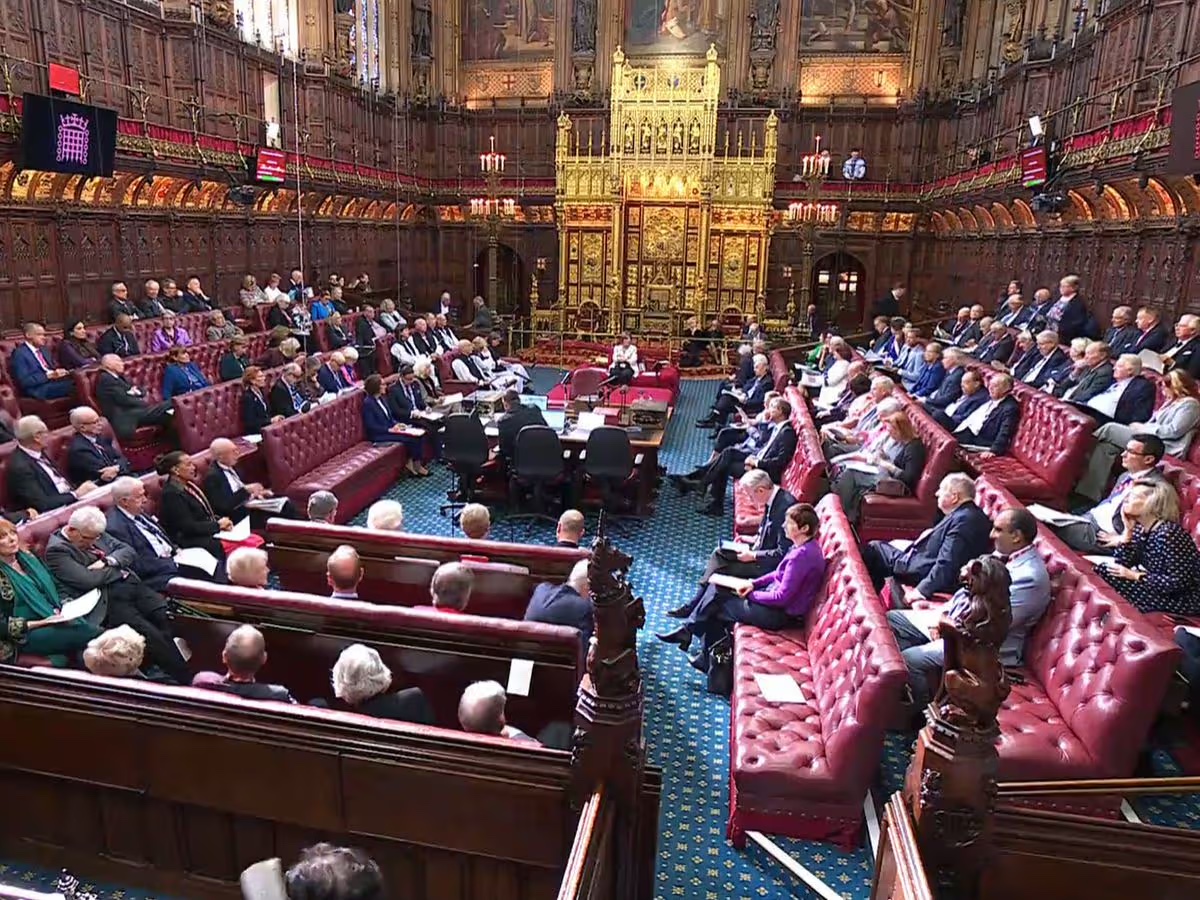
If the Bill is to return, it should be as government business rather than as another “lucky” backbencher’s lottery run. Otherwise the result is likely to be the same and waste a great deal of legislative time and energy.
The “revision” process is precisely what the Lords is meant to do and generally does with determination and expertise. It is illogical to hang constitutional reform on the House of Lords treatment of assisted suicide. Nevertheless, roll on the day that someone has the political courage to replace the unelected Lords with a smaller, elected revising chamber of 100 Senators on fixed, rolling 4-year terms elected by proportional representation. “It’s not possible!” Yes, it is.
10 days to go
Usually forgettable local elections now hove in to view although most campaigning is still invisible. Reform thought that they had something to “cut through” with their pithy “Vote Reform, Get Starmer Out” line, but even that has not really hit. (Rhiannon James, The Independent, 10th April 2026 “Reform takes aim at Keir Starmer with new local election slogan”.)

Expectations remain that Labour will suffer significant losses, the Conservatives will struggle to convert dissatisfaction into recovery and gains will be distributed between Reform and the Greens, but with “no overall control” likely to be the biggest winner. (My favourite substacker, Sam Freedman, 8th April 2026 “Elections 2026: The Preview”.)
That outcome, if realised, would reinforce a mood that has been building for some time: not simply dissatisfaction with particular parties, but a wider sense that the system itself is not producing effective outcomes.
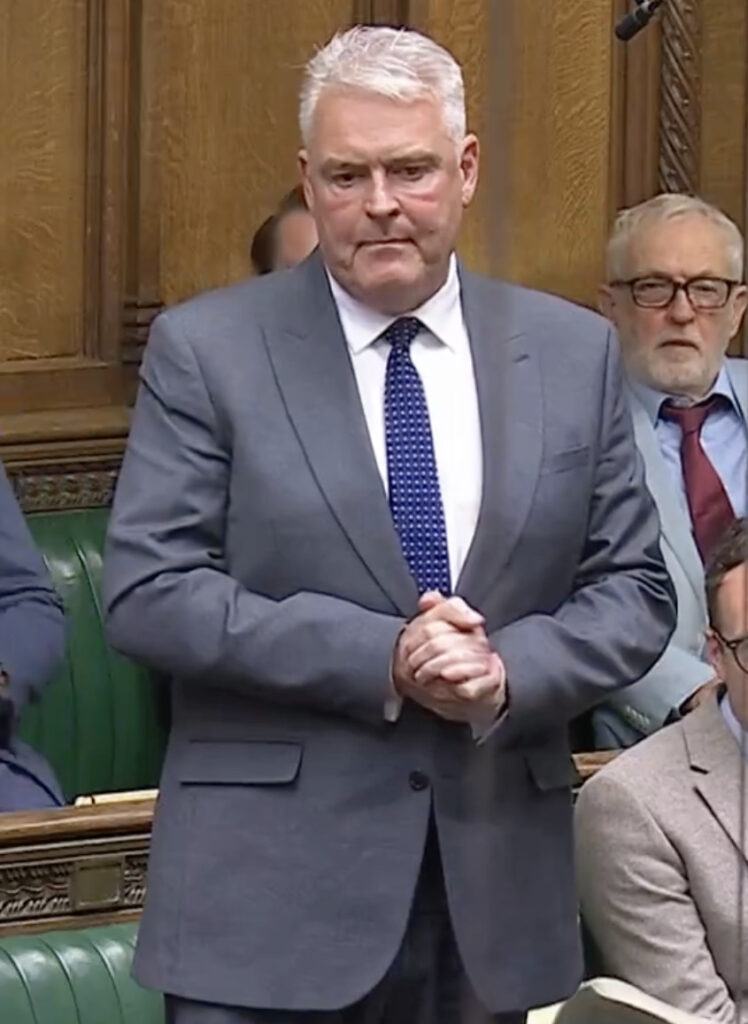
Reform’s position within that landscape remains ambiguous. Polling strength has not yet translated into visible parliamentary presence and the party has been notably quiet during a week dominated by questions of executive accountability, if you discount the theatrics of Lee Anderson MP’s amusing “That man could not lie straight in bed” line and subsequent exclusion.
This quietness may reflect strategic caution ahead of polling day, but seems more likely to reflect the limits of Reform’s still very small Westminster presence.
Energy, AI and unintended consequences
Meanwhile, a quieter but potentially more consequential disagreement has emerged within government over the energy demands of AI data centres. Officials appear to have underestimated the impact of large-scale computing infrastructure on UK carbon emissions, prompting tensions between the Treasury, the Department for Energy and the Department for Business.
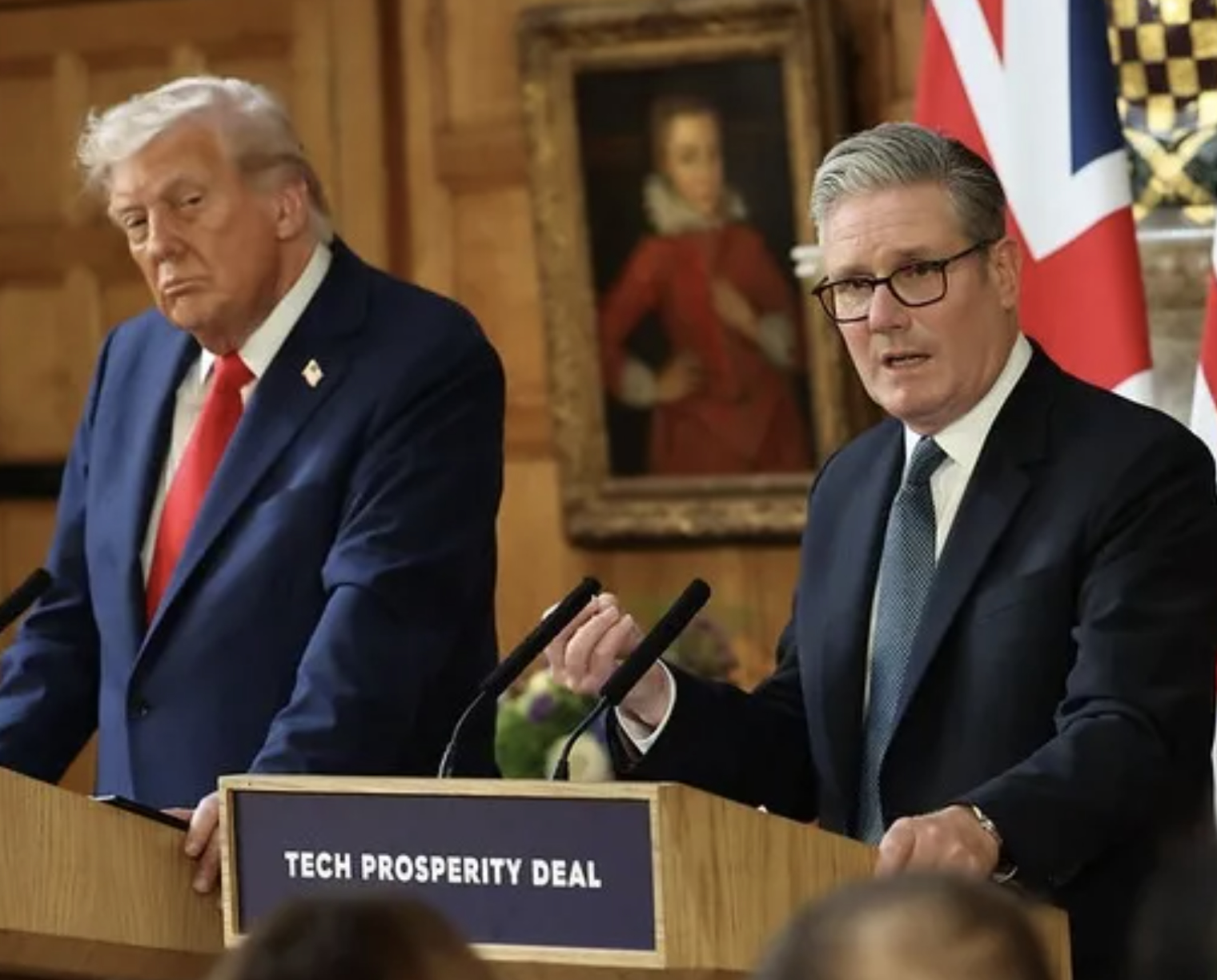
The broader difficulty is familiar. Efforts to attract high-growth technology investment sit uneasily alongside an energy pricing environment that remains among the least competitive in the developed world. The result may be that projects announced with some fanfare prove harder to realise in practice. (Liv McMahon & Zoe Kleinman, BBC News 9th April 2026 “OpenAI pauses UK data centre deal over energy costs and regulation”.)
Security, alliances and unintended signals
In foreign policy, a series of reported discussions within the United States about potential responses to allies perceived as insufficiently supportive in the Iran conflict have prompted unease across European capitals. Suggestions that such responses might extend to NATO arrangements or the sovereignty of the Falkland Islands have not been treated as formal policy, but nor have they been entirely dismissed. (Stephen Castle & Emma Bubola, New York Times, 24th April 2026 “Britain and Spain Reject Reported Plans by Trump to Punish Them”.)
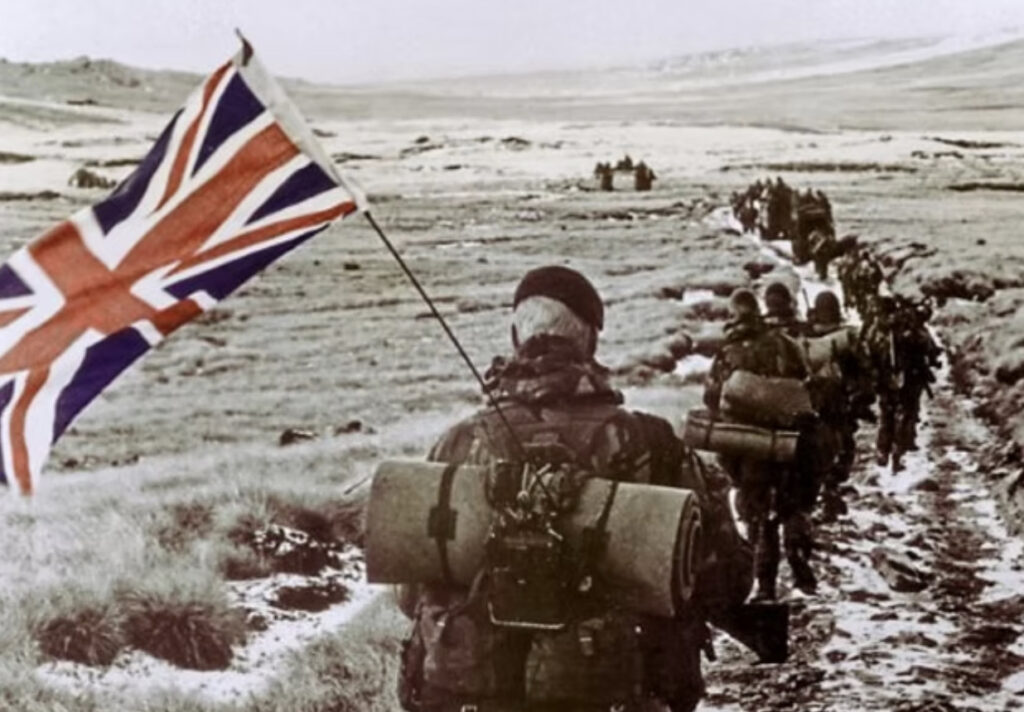
For Britain, the immediate implication is not a sudden change in alliance structures but a gradual shift in assumptions. The reliability of American strategic guarantees, long taken as a given, is now being tested in real time.
That process will have consequences that extend well beyond the current crisis and may eventually include pressure for a reduction in the American military footprint in Europe and the conversion of the small UK and French nuclear capabilities into an independent European nuclear umbrella.
TM The King & Queen head West to the USA on a State Visit of almost unrivalled delicacy next week. It is likely that they improve the President’s view of the UK, but highly unlikely that their visit will produce any strategic lifeline for the embattled Prime Minister.
What now?
The Prime Minister has not fallen. But authority is not a binary condition. It accumulates and erodes over time.
The difficulty for this government is not that it has faced a controversy. Governments routinely do. It is that successive controversies are beginning to point in the same direction: towards a system that does not reliably deliver clarity, control or closure, led by a Prime Minister who seems out of his political depth and comfort zone.
Prime Ministers do not need to know everything, but the PM does need to persuade Parliament and the wider nation that the system around him is working as intended.
Check us out on insta @theworldofukpolitics
Leave a Reply
You must be logged in to post a comment.