Wait for it!
Another week dominated by Iran, but not entirely determined by it. Westminster continues to move in its familiar pattern: modest domestic announcements, internal Labour positioning and foreign policy events imposing themselves faster than ministers can respond.
British politics appears to be holding its breath.
Diego Garcia and the geography of risk
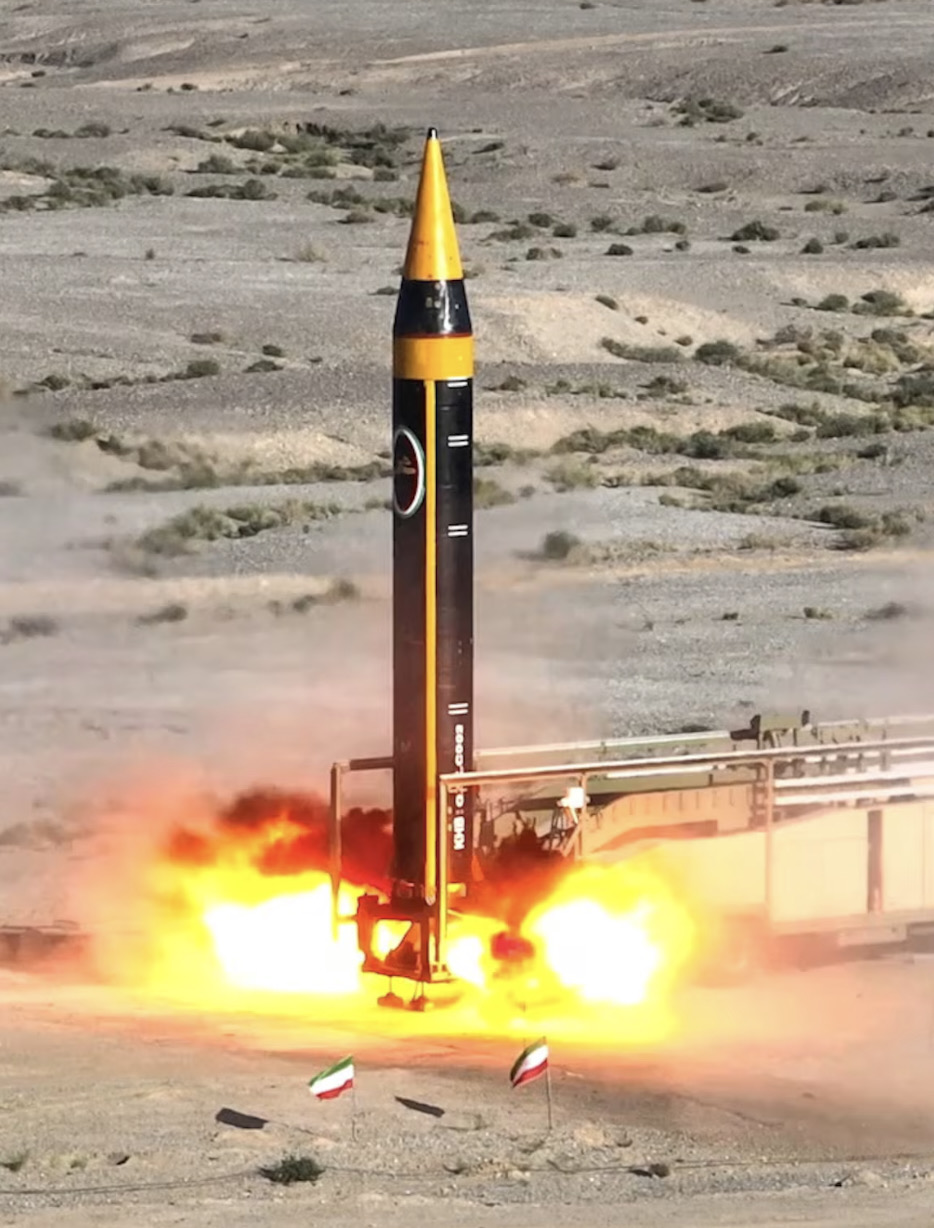
The most serious development of the week was the attempted Iranian missile strike toward the joint UK–US facility at Diego Garcia. The missiles failed to reach their target, but the episode altered the political frame inside Britain even without physical damage.
The base is remote, but not politically distant. It hosts strategic assets central to allied operations in the Middle East and Indo-Pacific. An attempted strike on it is, in effect, a strike on British sovereign territory.
The Ministry of Defence confirmed that the UK was working with allies to assess the threat environment following the incident, Nadeem Badshah & Morgan Ofori, The Guardian, 21st March 2026 “UK Foreign Secretary condemns Iran’s ‘reckless threats’.”
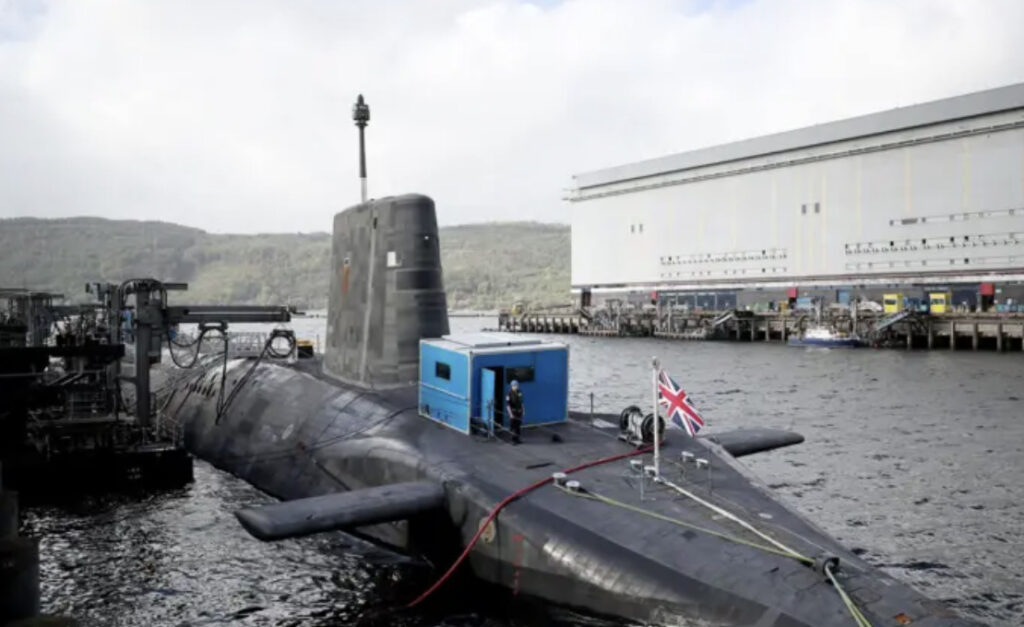
More quietly, domestic security concerns sharpened after the arrest of an Iranian man attempted to access the perimeter of Faslane (aka “HM Naval Base Clyde”) Britain’s nuclear sub HQ, Iona Young, BBC News, 20th March 2026, “Iranian man arrested trying to enter Faslane nuclear base.”
Even if the incidents are unrelated operationally, they combine politically. Missile strikes suggest escalation abroad; security breaches suggest asymmetric tactics at home. Together they reinforce the sense that Britain is not merely observing events in the Gulf, but is increasingly entangled in them.
Energy policy: A £53 million limit on gesture Politics
Domestically, the government announced a £53 million support package for households reliant on heating oil rather than mains gas or electricity, outside the protection of the price cap regime.
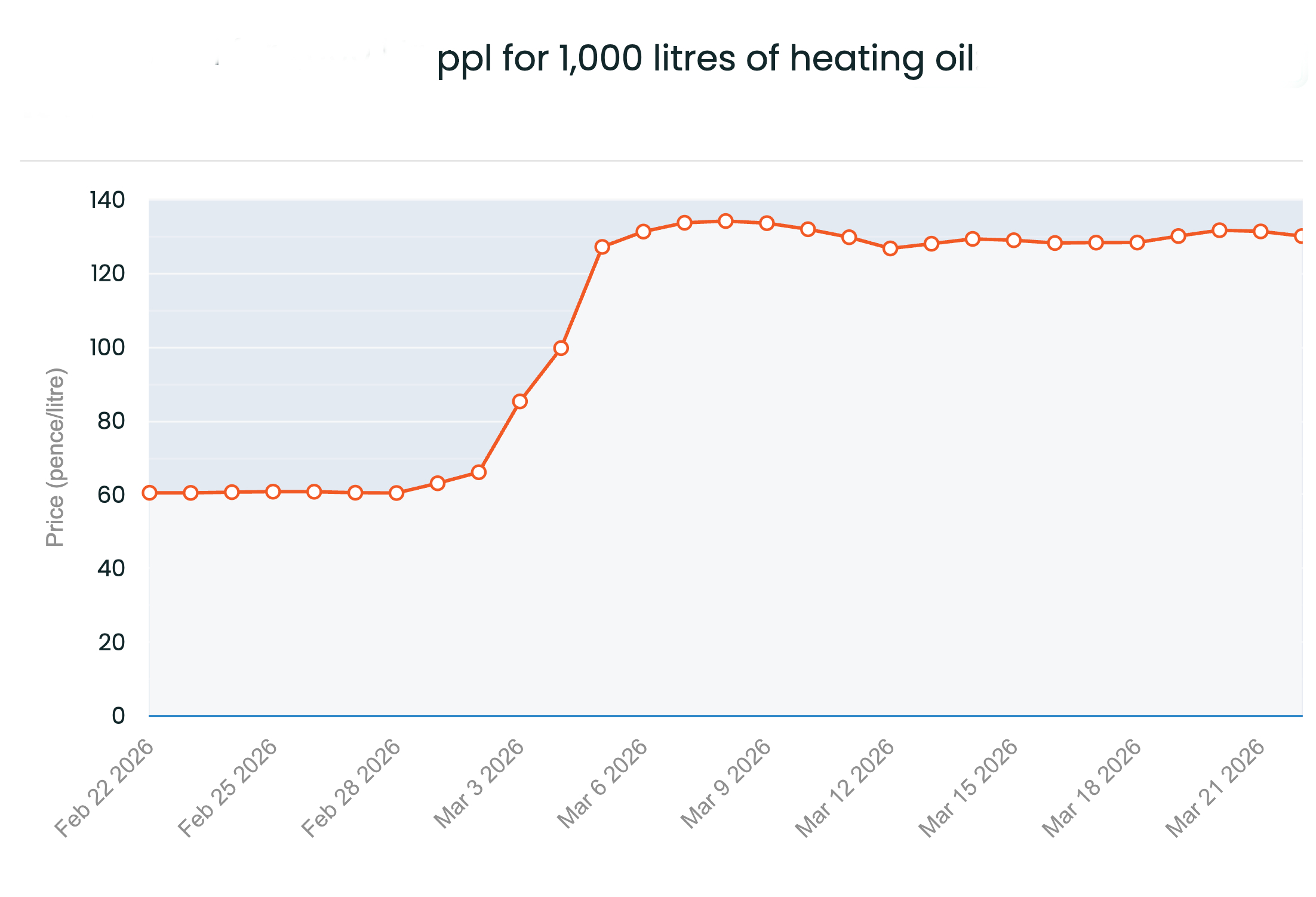
Ministers framed the scheme as targeted support for rural households facing persistent fuel price volatility, Department for Energy Security and Net Zero statement, Countryside Alliance, 16th March, “£53m heating oil support announced – but rural families still need answers.”
The difficulty is scale. Against the backdrop of multi-year energy cost pressure, £53 million reads less like structural intervention and more like symbolic acknowledgement. It addresses a real problem while signalling that no wider redesign of off-grid support is currently forthcoming. Precise enough to brief, too small to make any difference.
Immigration: Mahmood Faces the Music, Left-Hand only
More politically sensitive was the growing internal Labour criticism of Shabana Mahmood over her proposed extensions to right-to-remain qualification rules. The left of the party has argued the measures risk replicating Conservative-era deterrence frameworks under a different label and threaten a Commons vote to register their displeasure (performatively) Iain Watson, BBC News, 20th March 2026, “Labour MPs threaten vote to show opposition to Mahmood’s migration plans.”

Whether or not those criticisms gain traction, they matter organisationally. Immigration remains the policy area most likely to reopen Labour’s internal fault lines as local elections approach.
Rayner & Burnham – The North Awaits
Against that background, Angela Rayner continues to attract positioning support from the party’s regional leadership layer. Andy Burnham’s description of her as the “Queen of the North” may have been framed as a compliment, but in Westminster compliments are rarely offered outside an agenda.

The timing matters. With local elections looming, expressions of loyalty and expressions of readiness often look suspiciously similar.
Parliament: PMQs Demonstrate Starmer’s rhetorical failure
PMQs produced only heat and absolutely no clarity on Wednesday. The PM declined to engage with LOTO at all, and avoided questions from all Tory MPs for good measure, prompting familiar accusations of evasiveness. Covered with devastating accuracy in our weekly Commons roundup…
Public health: Kent and the politics that does not quite follow
An outbreak of meningitis in Kent produced serious local concern but limited national political consequence. Ministers emphasised vaccination uptake and public health monitoring, while local authorities coordinated response measures, James Gallagher, BBC News, 20th Marcch 2026 “Five questions that still need answering about the meningitis outbreak.”
Not every crisis becomes political. That just feels terribly unusual in the current environment of omni-incompetence.
The larger pattern
Taken individually, the week’s developments appear disconnected: a small energy support scheme, immigration tensions inside Labour, an all-too-familiar PMQs performance and a missile incident thousands of miles away.
Taken together, they describe a government operating under external pressure while continuing to move cautiously at home.
Iran determines the tempo. Westminster adjusts its language. Domestic policy advances in increments small enough to avoid risk but rarely large enough to change direction.
British politics appears to be holding its breath. Missiles inbound.
Check us out on insta @theworldofukpolitics
Leave a Reply