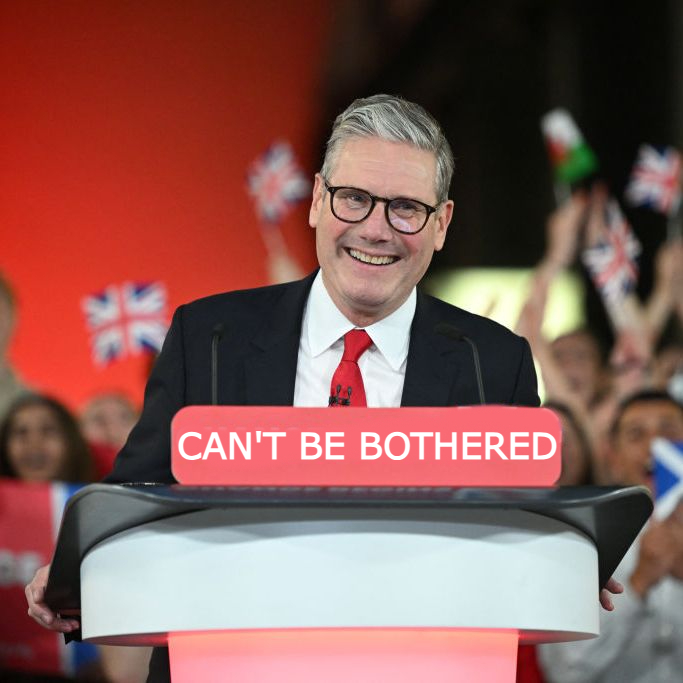
There has, technically, been some political news outside the accelerating collapse of Labour authority. Whether anyone noticed is another matter.
Ebola, Ukraine, Iran and strategic distractions
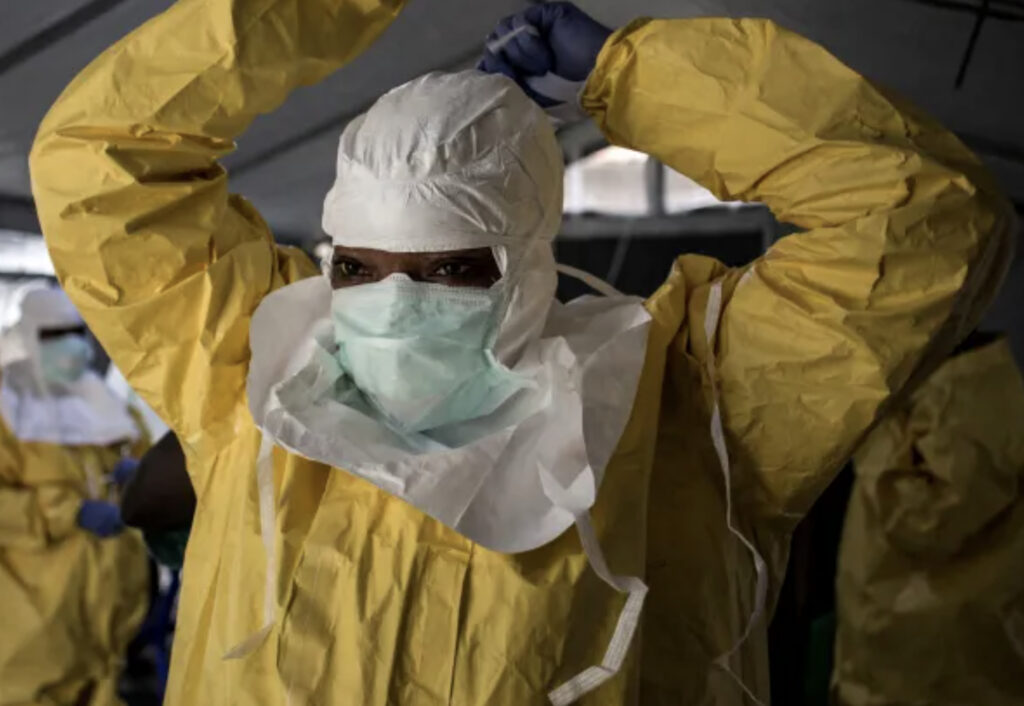
A fresh Ebola outbreak in the Democratic Republic of Congo briefly reintroduced the possibility of an international public health emergency (James Gallagher, BBC News, 17th May 2026, “How worrying is the Ebola outbreak in DR Congo?”) Governments that spent the pandemic years promising better preparedness were notably quiet.
Meanwhile in Ukraine, the temporary Trump-brokered ceasefire designed to protect Moscow’s Victory Day parade quickly returned to large-scale drone attacks. Recent battlefield developments suggest momentum may be shifting towards Kyiv (Toby Mann & Jaroslav Lukiv, BBC News, 17th May 2026 “Large-scale Ukrainian drone attack kills three in Moscow region, says Russia.”)
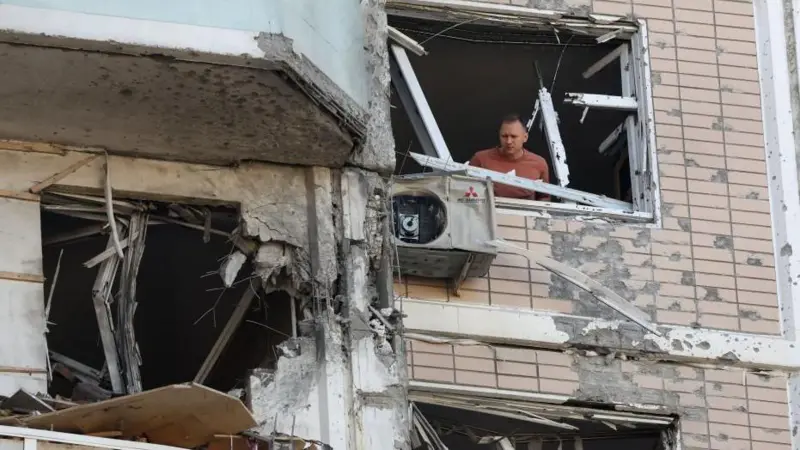
The more interesting strategic development is that the Iranian conflict appears to have strengthened Ukraine’s geopolitical position indirectly. Ukrainian drone technology and battlefield adaptation are suddenly being viewed rather more seriously by nervous European states contemplating a future with reduced American guarantees.
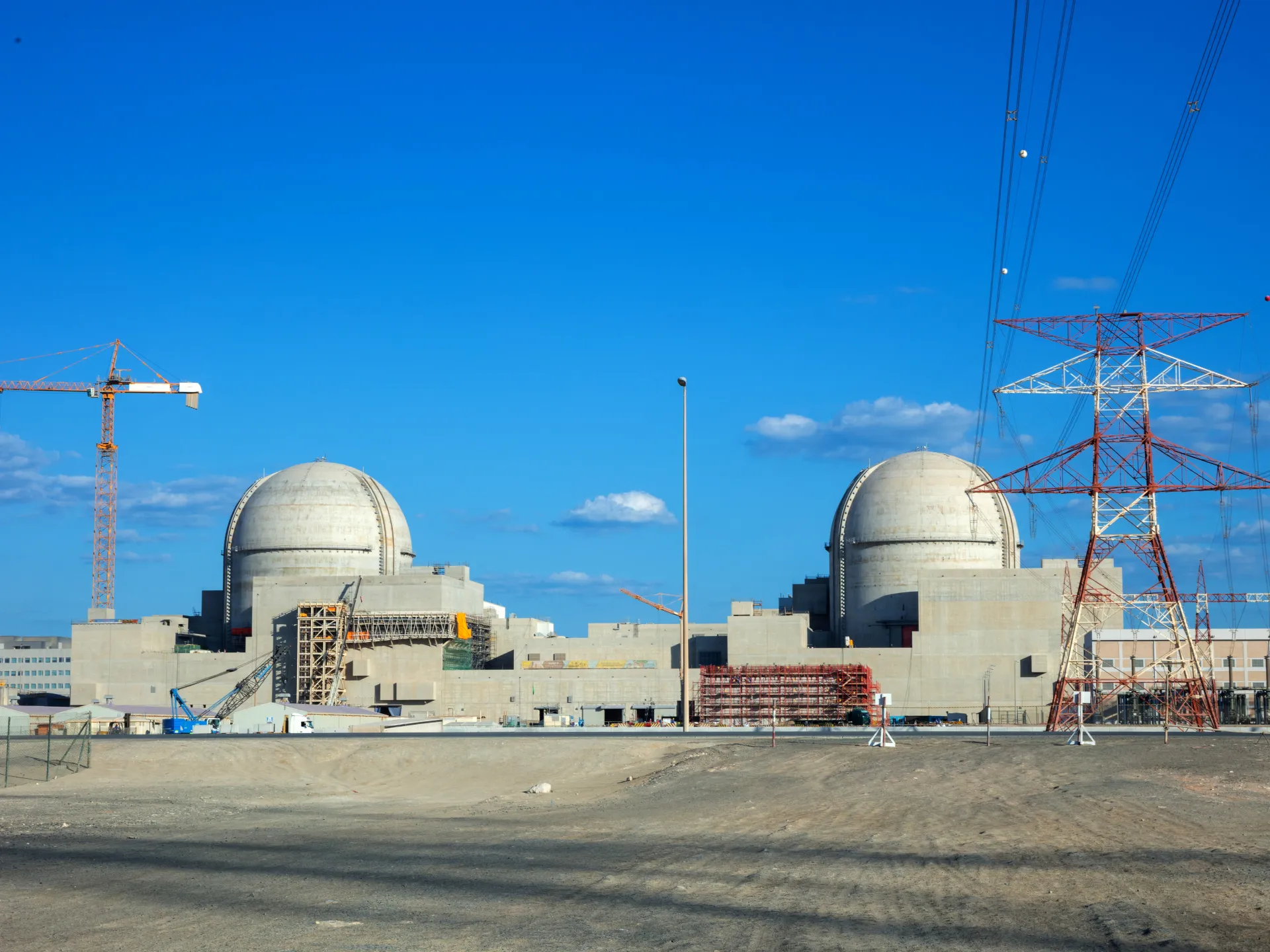
Elsewhere, Iran apparently targeted the UAE’s nuclear power infrastructure with drone strikes — a move sufficiently ill-judged that even hardened Gulf observers appeared briefly lost for words (Rebecca Henrys, LBC News, 17th May 2026 “Drone strike caused fire at UAE nuclear power plant” .)
Trump goes East
Donald Trump’s visit to China demonstrated once again that the current White House approach to diplomacy rests on a mixture of improvisation, commercial theatre and strategic ambiguity.
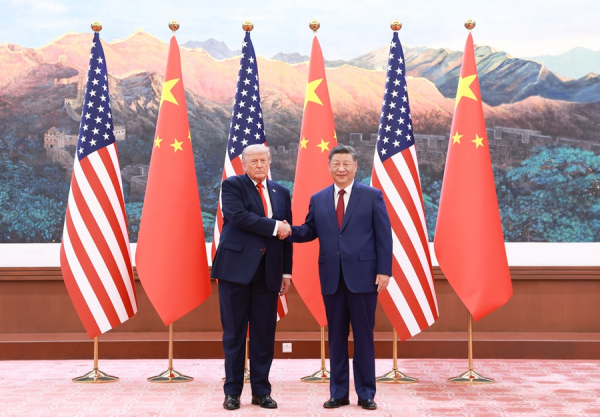
Trump emerged proclaiming unspecified “great deals”, while President Xi delivered a much more precise warning against American support for Taiwanese independence (David Sanger, New York Times, 14th May 2026 “Trump Was Flattering, Xi Was Resolute. The Difference Spoke Volumes.”)
The contrast in tone was revealing. One side appeared focused on tactical wins, the other on long-term strategic positioning. Europe quietly continues adjusting to the possibility that it may increasingly have to navigate between both.
Free speech, public order and the cost of policing Britain
Back in London, the Metropolitan Police deployed 4,000 officers to manage anti-immigration protests, pro-Palestinian marches and the FA Cup Final simultaneously (Vikram Dodd, The Guardian, 17th May 2026, “Police arrest 43 during Unite the Kingdom rally and pro-Palestine march.”)
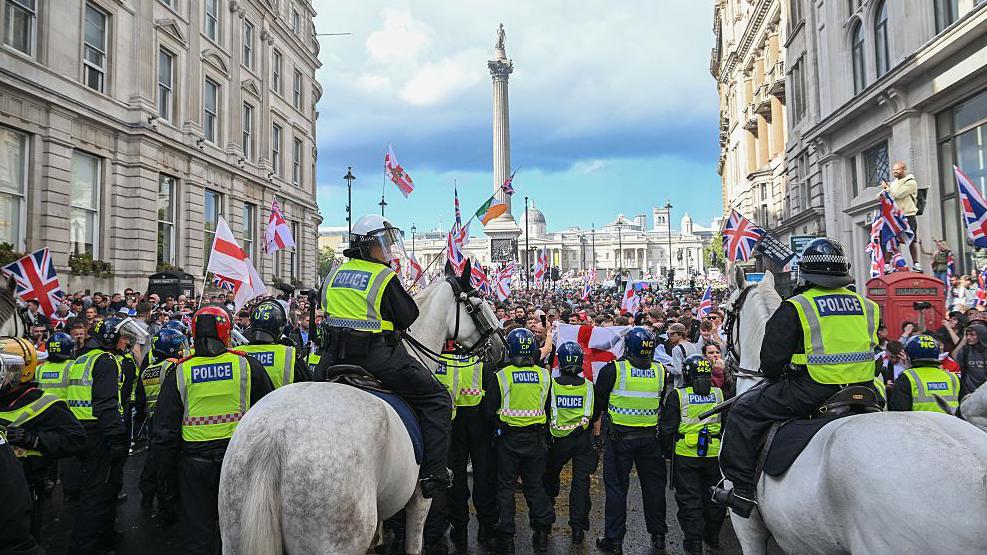
That the day passed relatively peacefully is to the Met’s credit. The broader political point, however, is harder to ignore. Britain increasingly appears to require extraordinary policing operations simply to maintain routine public order during politically charged weekends.
The financial and social costs of that normalisation are accumulating quietly.
Eurovision, naturally
Bulgaria won Eurovision with Bangaranga, while the United Kingdom finished last again and national reactions oscillated between wounded outrage and exhausted acceptance (Mark Savage, BBC News, 17th May 2026 “Bangaranga! Bulgaria wins Eurovision — but UK comes last.”)
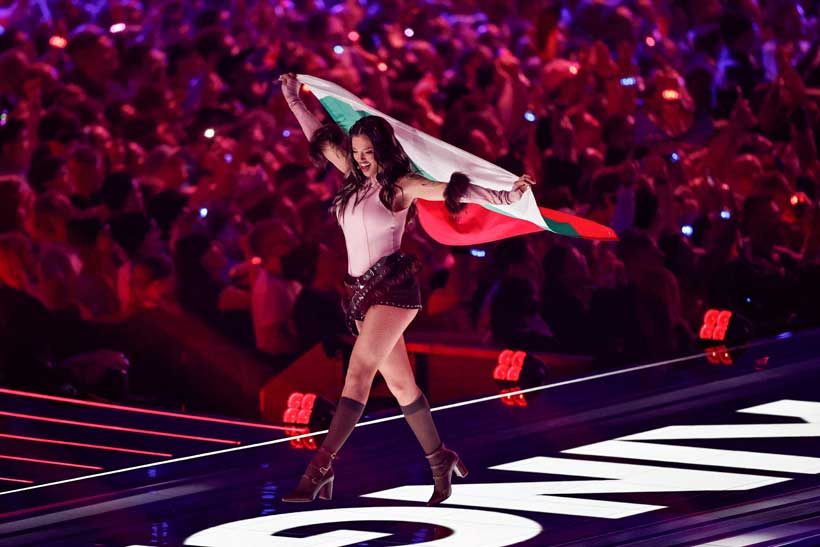
Perhaps the purest metaphor for modern Britain remains a country convinced it deserves higher marks while refusing to understand the scoring system.
The Labour Leadership Struggle
But in truth, almost the only political story in Britain this week was the increasingly open struggle over Labour’s future leadership.
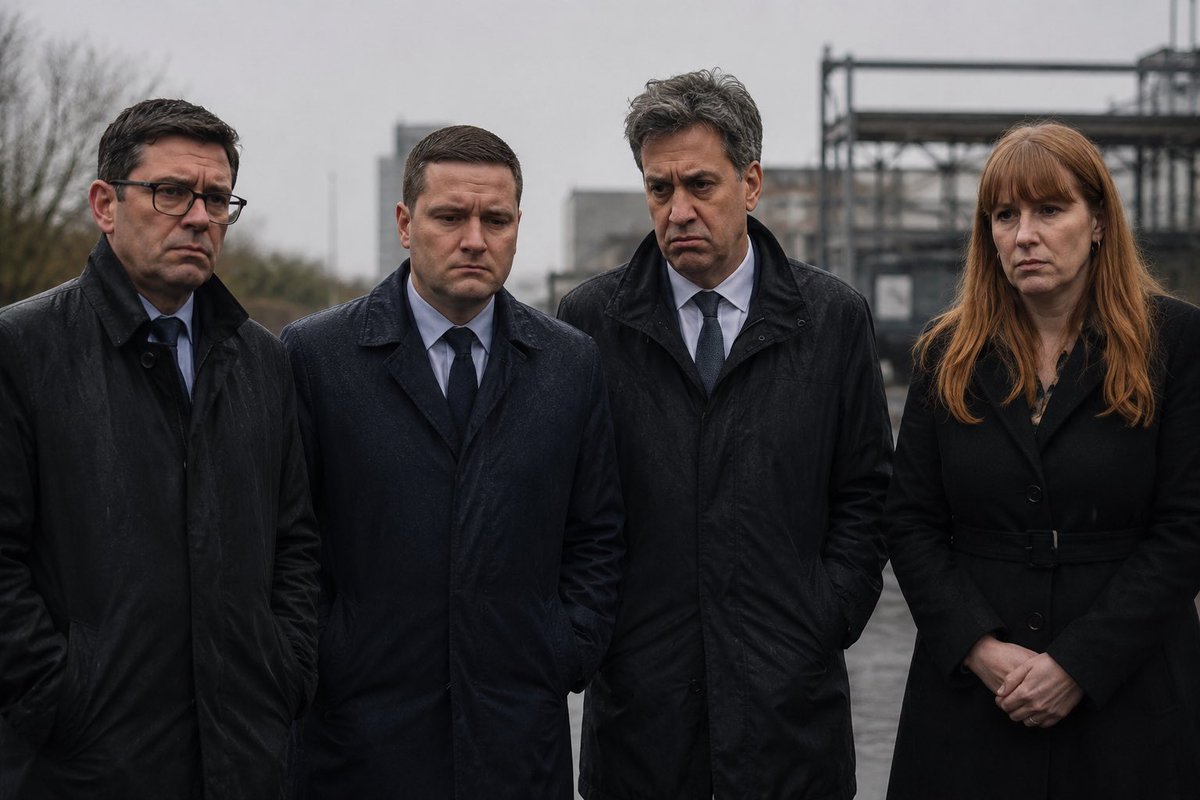
The local elections did not merely damage the Prime Minister. They appear to have convinced much of the Parliamentary Labour Party that the current position is no longer sustainable.
The “Process PM” discovers Process
Sir Keir Starmer reportedly entered Monday’s Cabinet determined to avoid discussion of leadership questions entirely, pushing through the meeting without taking what colleagues described as “political questions.”
This was perhaps fitting for a Prime Minister whose defining instinct has always been procedural management rather than political direction.
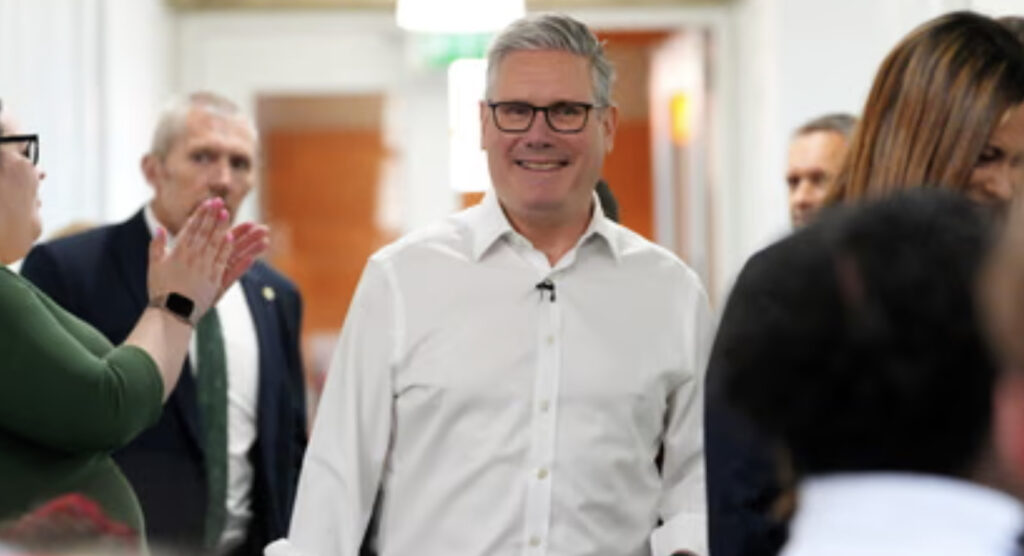
Later that day, Starmer delivered what many interpreted as a “last chance” speech, promising steel nationalisation “if public interest conditions can be met” and a closer relationship with Europe (Peter Walker, The Guardian, 11th May 2026 “What did Keir Starmer say in ‘last chance’ speech?”)
The difficulty was not the speech itself. It was the growing sense that almost nobody inside Labour still believes speeches are capable of resetting the situation.
Catherine West blinks
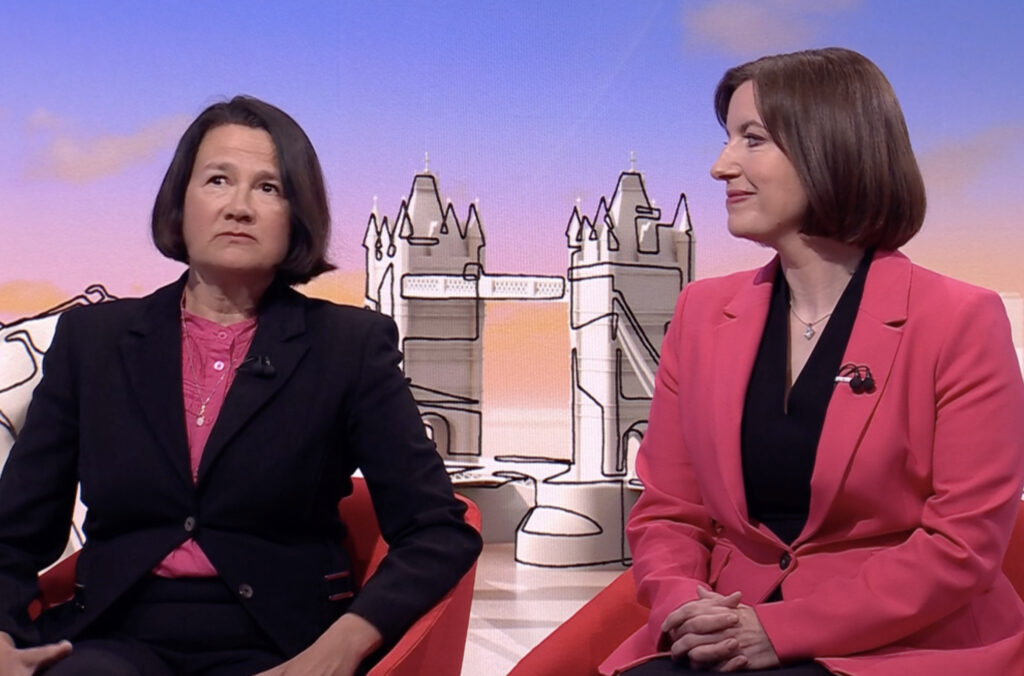
One of the more revealing developments of the week came when Catherine West, who had previously floated the possibility of assembling enough nominations to trigger a leadership contest, abruptly softened her position and instead called for an orderly “process and timetable” for transition. Give that Member a peerage goes out the cry!
The ministers begin to move
The resignations of Miatta Fahnbulleh, Jess Phillips, Alex Davies-Jones and Zubir Ahmed from junior government roles may not individually matter enormously. Collectively, however, they reinforced the impression of a government beginning to crumble internally.
More significant was Wes Streeting’s increasingly visible positioning. A private meeting with the Prime Minister just before the State Opening produced no public readout, which in Westminster terms usually means something politically important was discussed.
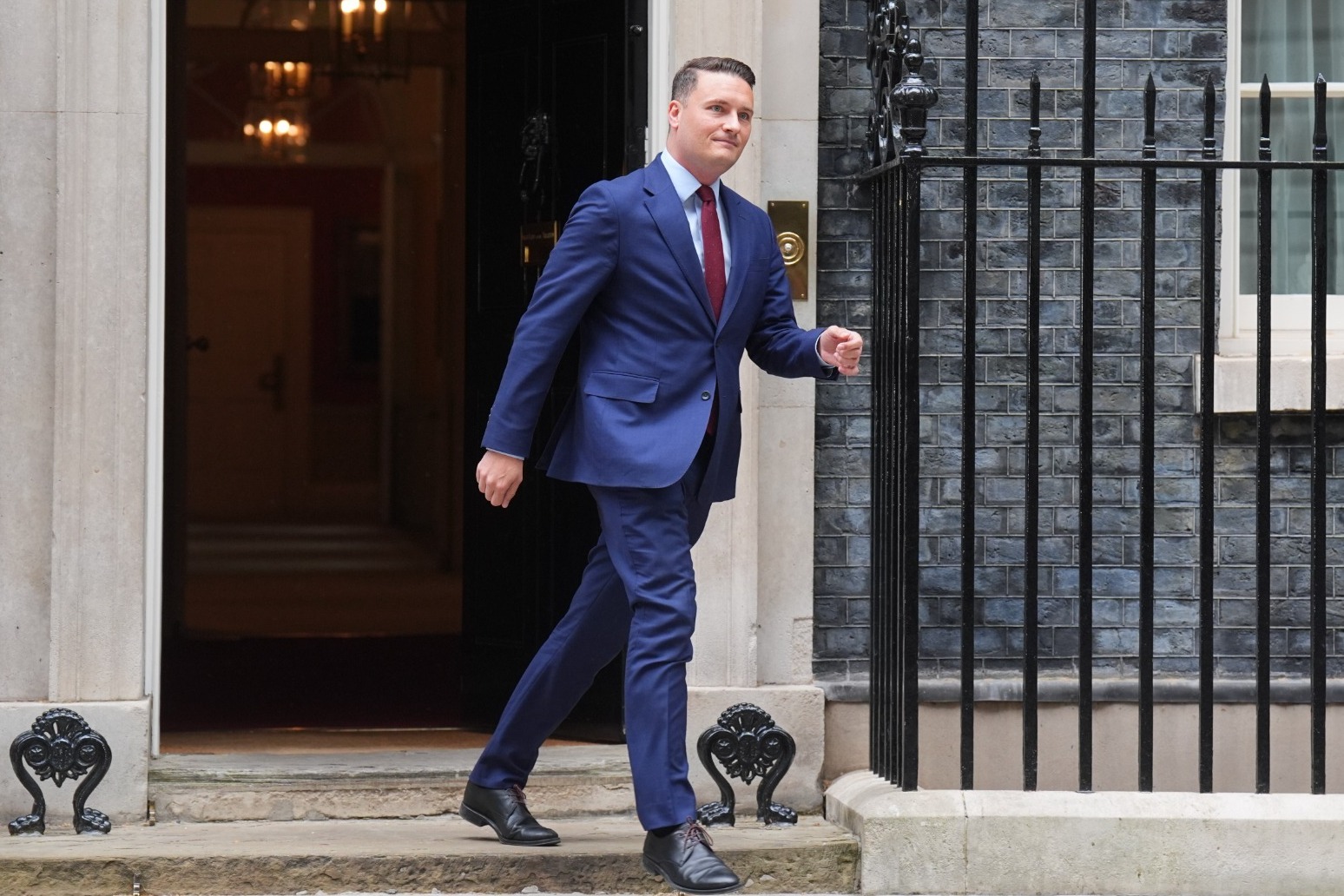
Shortly afterwards, recently-disgraced Josh Simons announce that he would resign his Makerfield seat in order to facilitate Andy Burnham’s return to Westminster. Attention immediately shifted toward whether Burnham could successfully return via Makerfield — and whether Reform might now try to turn the by-election into a symbolic anti-Labour battleground.
Then came Streeting’s own declaration that Brexit had been a mistake and could only be “solved” now through renewed European integration. Fighting talk which serves to distinguish his position from others too, handily. Strange that.
That was not policy positioning. It was leadership triangulation.
Burnham, Rayner, Miliband
Andy Burnham’s hand is now declared. Angela Rayner, self-exonerated after investigation of her stamp duty error, appears increasingly likely to align behind him rather than risk a divisive contest herself. There was chatter about Ms Rayner walking in to a door while under the influence in the Palace of Westminster, aggressively magnifying the concerns of the “Is she up to it?” brigade.
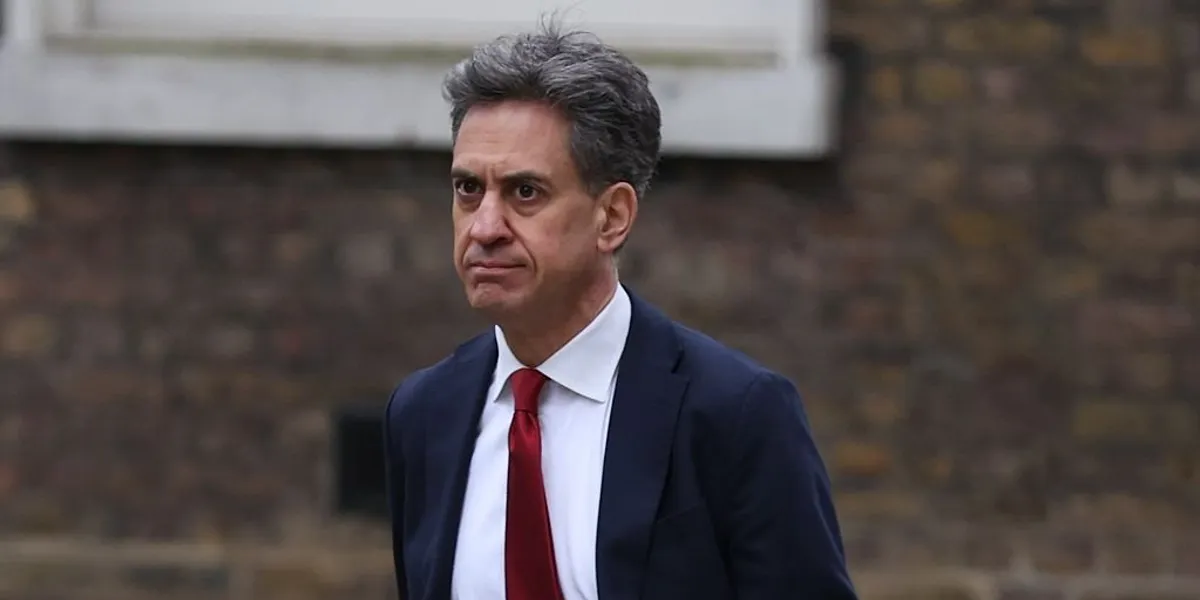
Ed Miliband continues to hover around the edges of discussion with the air of a man waiting for history to make one final administrative error.
Footnotes
However, the overall picture has become clear: Labour is no longer debating whether succession will occur, but the mechanism through which the succession will pass. That debate should have moved on to “process” questions is not without its ironies. The political debate has moved on the next chapter while the incumbent is still struggling to complete his “Introduction”, while loudly declaiming that the footnotes are crucial.
Check us out on insta @theworldofukpolitics
Leave a Reply