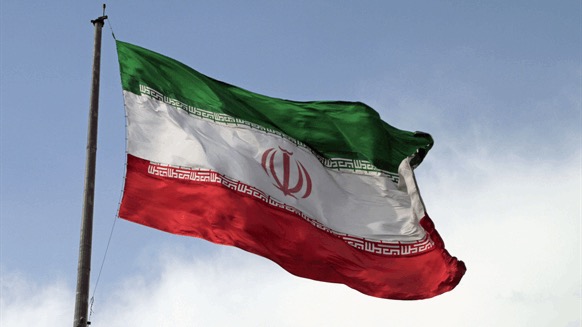
Waiting for imaginary negotiations abroad, preparing for inflation at home and governing in the shadow of events with no clear purpose. Welcome to Britain 2026.
The Israel–US confrontation with Iran continues to set the UK political tempo. Domestic policy development not stop, but it does now feel provisional, as though HMG is waiting to see what sort of context it will be “governing” in by the Summer.
There were still UK political signals worth noting: UK Defence capability has shrunk to negligibility; Labour’s internal machinery is running such a hard defence that it makes one wonder what they really fear; and the structurally pointless BMA Junior Doctors dispute shows that political entrenchment is still the principle motivator of doctors’ objectives, even more than cash.
Iran MAkes thE limits of British capabiliTY VERY CLEAR
The attempted Iranian missile strike toward Diego Garcia suggests that Iran is just a small technical hurdle away from striking Europe and the UK depending. The UK Ministry of Defence has (worryingly!) avoided releasing a formal assessment publicly, but the implication is clear: range matters! Jamie Grierson, The Guardian, 23rd March 2026, “Is Iran really able to strike London, and is the UK prepared for an attack?”
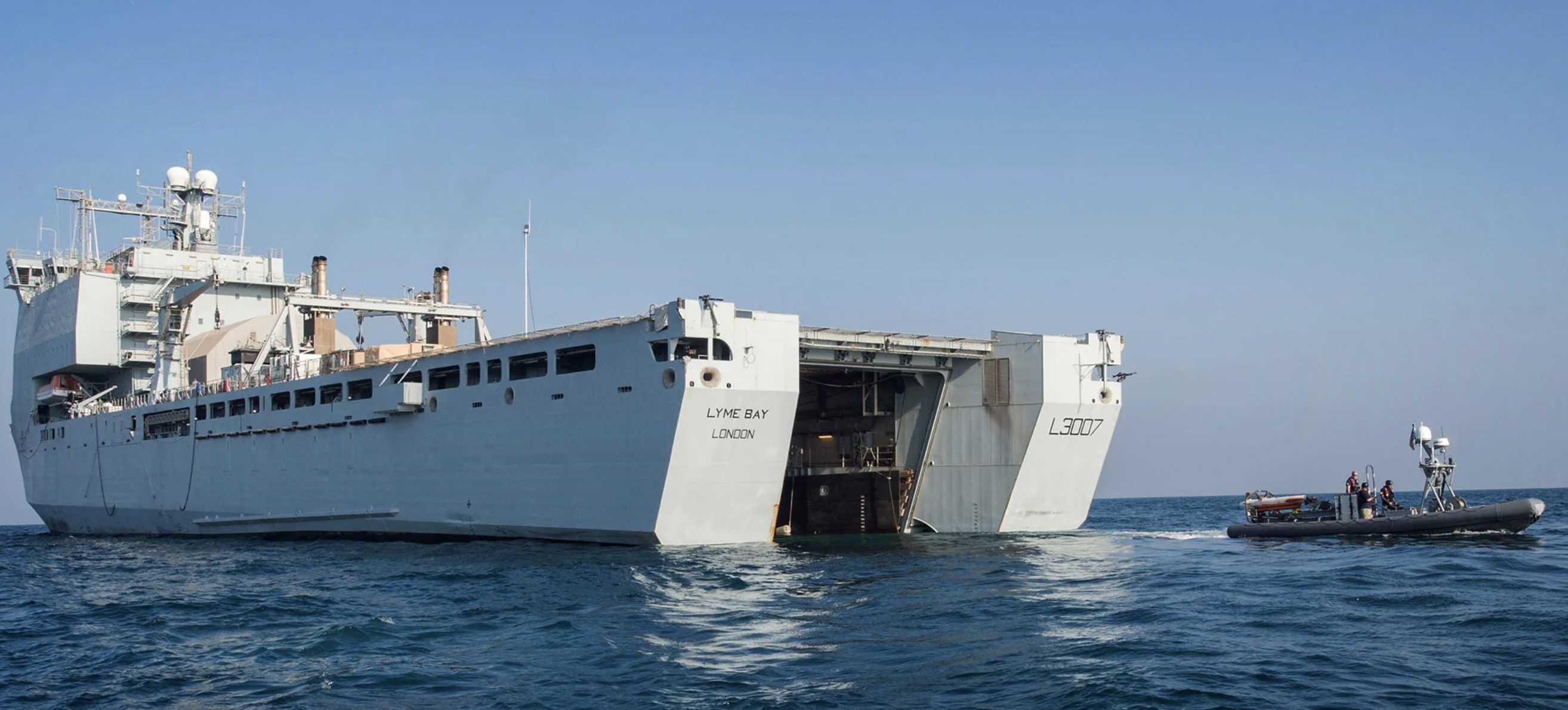
Then, the Royal Navy’s practical ability to contribute to even regional security remains minimal. Rapidly converting RFA Lyme Bay and bringing HMS Stirling Castle onstream as mine countermeasures platforms could yet be relevant to Gulf operations if the Strait of Hormuz becomes safe enough to deploy anything at all. However, current preparations underline a familiar reality: Britain retains niche strengths, but almost no surge capacity, Navy Lookout, 29th March 2026, “Royal Navy strengthens mine countermeasures posture for possible return to the Gulf.”
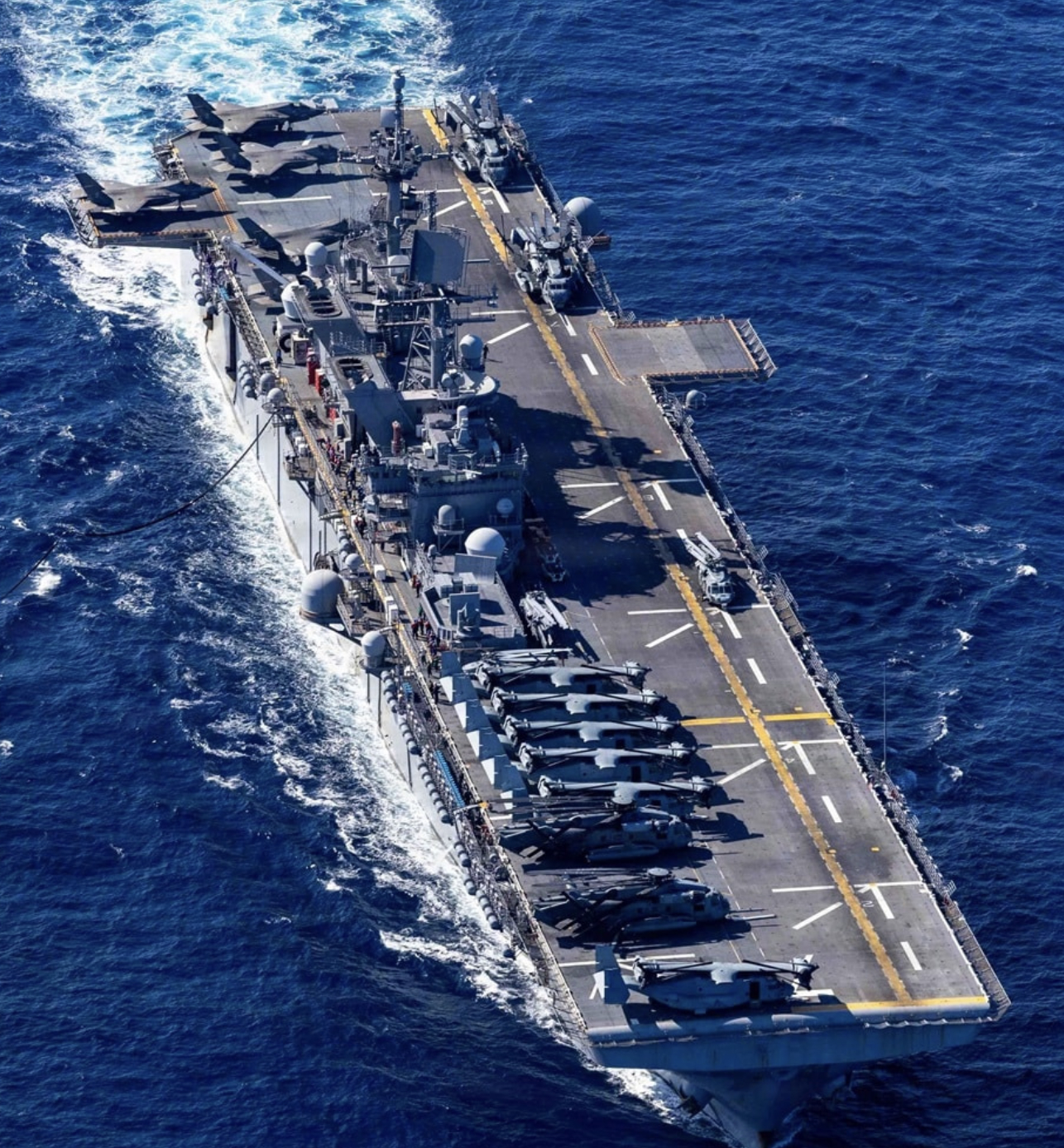
Meanwhile the arrival of the USS Tripoli amphibious group in the Gulf and the anticipated arrival of USS Boxer next week suggest that Washington continues to try to apply pressure while pretending to “negotiate.” The sequencing is characteristic of US crisis diplomacy rather than evidence of imminent settlement. The absolute disaster of a real US boots on the ground (presumably of Kharg Island) escalation is now an all too possible scenario. It’s all about the oil, stupid! But that really would be stupid.
Vice President Vance, usually among the administration’s most aggressive defenders of interventions domestic and foreign (“Europe has a free speech problem” gah) has instead emphasised avoiding a prolonged regional war in the Gulf.
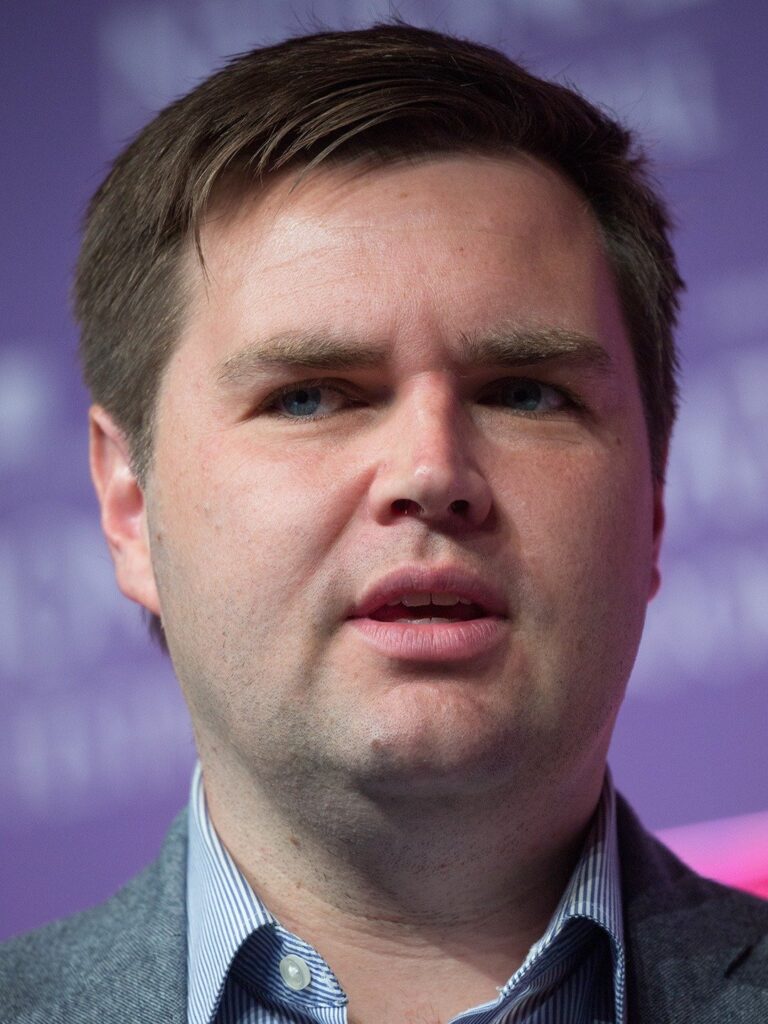
This is a small, but significant sign that Washington itself has not yet settled how far this campaign is meant to run. Hannah Ellis-Petersen & Shah Meer Baloch, The Guardian, 24th March, “JD Vance role touted as Pakistan attempts to broker US-Iran peace talks.”
For students of history (obviously not a subject taken by anyone at The White House) it may be worth recalling the reasons that Eisenhower refused to support the Anglo-French intervention to secure the Suez Canal in 1956:
- Preventing Soviet Influence: Eisenhower feared that siding with Britain, France and Israel would allow the Soviet Union to attract Arab states,
- Anti-Colonialism: the US aimed to be seen as an opponent of “old-fashioned” (ie British and French) colonialism.
- Distraction from Hungary: Eisenhower thought the move on Suez ruined the West’s moral authority to condemn the USSR’s invasion of Hungary. (Ukraine anyone?)
- Lack of Planning: Eisenhower was furious that the three allies had not informed him of their planned attack in the run-up to the US 1956 presidential election.
- Economic Risks: the intervention blocked the canal, threatened oil supplies and could have triggered a wider war.
Oh, the ironies of history.
For Britain, the immediate consequence of US-Israeli mistakes intervention is not operational, but economic.
Inflation returns just as the last shock fades
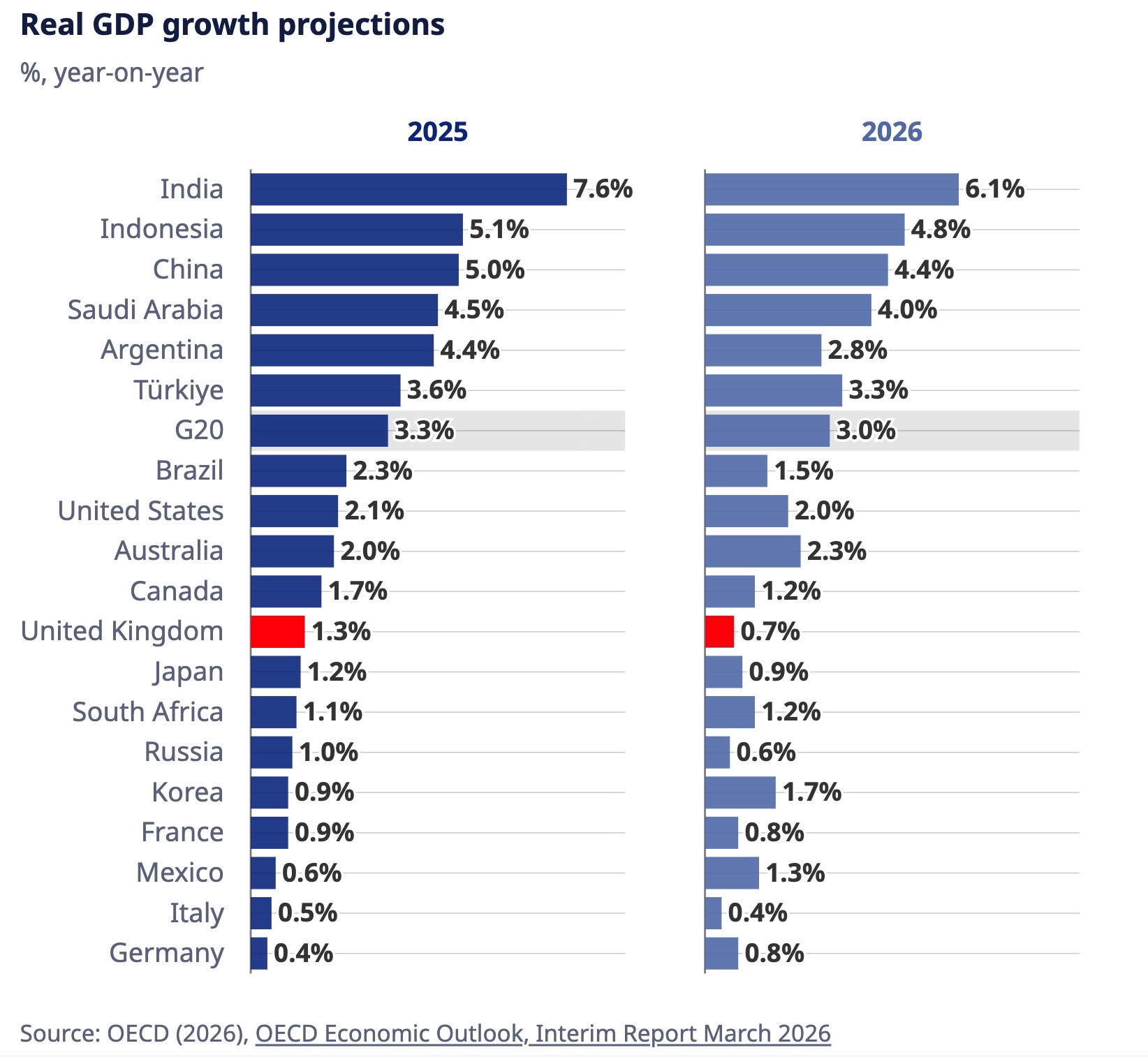
The likely domestic impact of escalation with Iran is renewed energy-driven inflation just as Ukraine-related pressures had begun to unwind. Analysts from the OECD and IMF have warned that renewed disruption to Gulf shipping would hit European economies particularly quickly through shipping insurance costs and oil pricing, OECD Interim Economic Outlook, March 2026.
Of course, HMTreasury will be benefitting from higher fuel duty receipts already, but HMT is hardly likely to be shouting about this because in contrast UK households will be faced with only ever-higher costs. So much for HMG’s dedication to combatting the Cost of Living Crisis, eh Keir?
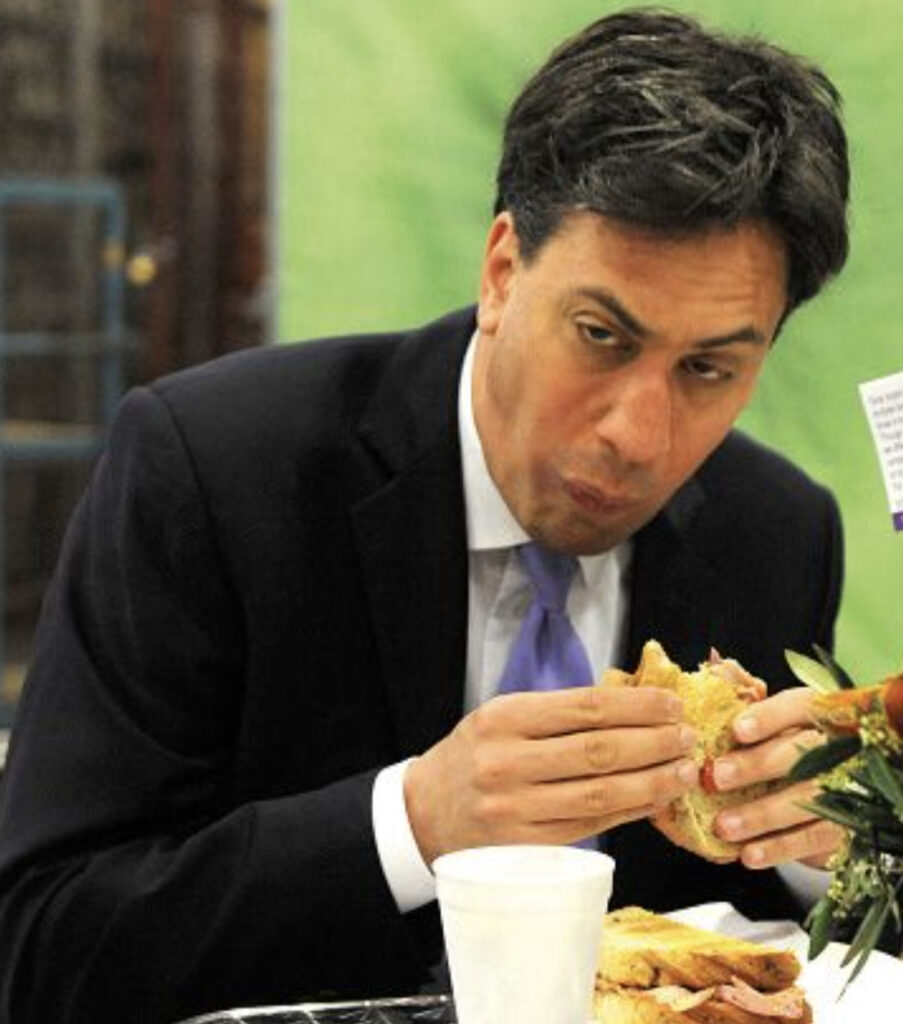
The longer-term UK implication is strategic rather than fiscal. Even though only a small proportion of UK crude imports originate directly in the Gulf (~7%), global pricing quickly transmits regional shocks into domestic energy costs. The policy question this reopens is North Sea production versus accelerated transition to renewables and that remains politically blocked by the unexpectedly determined form of Ed Miliband. The policy answer is obvious: do both – drill AND push renewables hard, but sadly that does not seem “pure” enough for Miliband mi.
The rules-based order, revisited
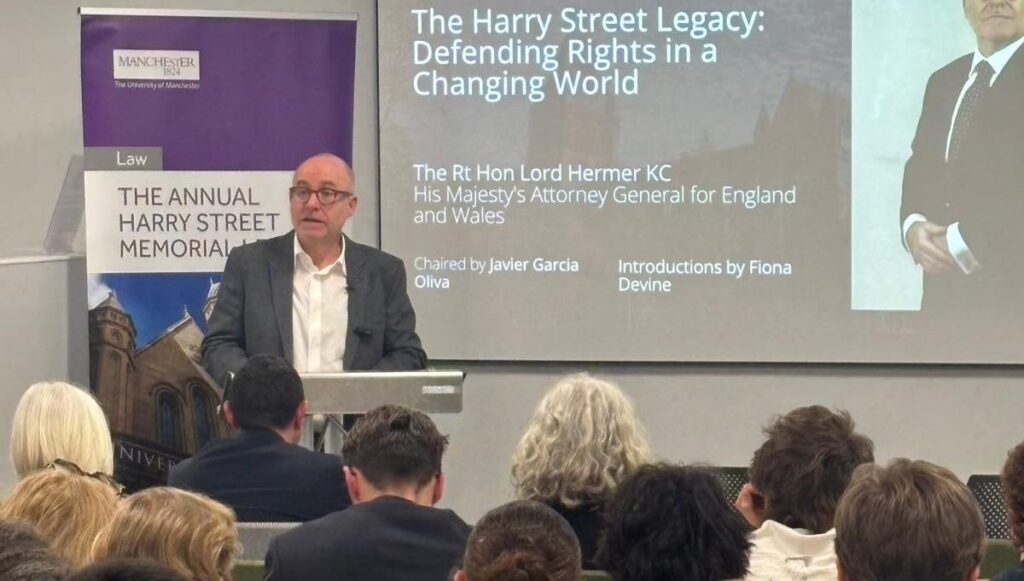
Attorney-General Lord Hermer delivered the annual Harry Street lecture in Manchester defending the continued relevance of the “rules-based international order”.
This lecture not an accidental intervention. The phrase itself has become shorthand for Britain’s preferred description of its post-Brexit diplomatic posture: aligned with allies, legally grounded and rhetorically multilateral. The difficulty is that this increasingly describes an aspiration, rather than the current situation.
Hermer argued that international law remains the framework through which conflicts should be understood and resolved even when compliance is uneven. The speech was coherent, but vacuous, offering no new, or different justification for Britain’s slavish devotion to following international law rather than shaping and changing this framework to fit our times and challenges. Examples of British inadequacy on this supposed bedrock structural commitment to intertnational law abound: the Chagos sale-and-leaseback is the most “current.” The decision to transfer sovereignty of the Chagos to Mauritius in order to preserve the legal basis for the Diego Garcia base is holed beneath the water by the obvious failure to account for the Chagossians’ own campaign for self-determination, or for the diversity of opinions of this small (~10,000) population, the majority of whom seek the right of return and financial support to do so, but some of whom would prefer any transfer of sovereignty to be made to the Seychelles rather than Mauritius.) If you are going to herald the UK’s commitment to international and human rights law it would be good not to immediately trample all over Chagossian self-determination.
The BBC prepares for a digital future

Domestically, the appointment of Matt Brittin as the next Director-General of the BBC attracted less immediate attention than it deserves.
The Beeb’s own introduction to their new D-G is worth a listen.
Brittin’s background at Google signals something important: the BBC is preparing for a post-broadcast funding environment. Appointing a digital platform executive rather than a broadcaster suggests the Beeb expects the argument to be about distribution, subscription and platform identity rather than its public service remit, Michael Savage, The Guardian, 26th March 2026, “Former Google executive Matt Brittin selected to be next BBC director general.“ (It should be noted that Brittin has been a non-exec Director at The Guardian since February 2025.)
The BBC seems to be preparing earlier than the government.
McSweeney, Mandelson and the disappearing messages probleM
Further reporting this week about Morgan McSweeney’s “stolen” mobile phone and the consequent disappearance of WhatsApp exchanges with Peter Mandelson has not produced a definitive scandal as yet, but it has prolonged the sense that the government’s timeline does not match the narrative it has attempted to deploy.
Political controversies often persist not because of what is known, but because of what cannot be verified. The longer the communications gap remains unexplained, the longer the story continues to drift rather than close.

This is less explosive than expected at the time of Morg’s resignation. No smoking gun has appeared. But it is not finished and keeps gathering additional potential wrecking force.
The Junior Doctors’ dispute continues and widens

The British Medical Association’s junior doctors committee announced further strike action in pursuit of a pay restoration claim that assumes continuity in a contract structure that has not in fact remained continuous, feeding public perceptions of the inappropriate motivations of the NHS workforce, Nick Triggle, BBC News, 25th March 2026 “Doctors announce six-day strike in England as talks break down.”
Simultaneously, staff employed by the BMA itself began industrial action over pay conditions Lizzie Fraser, GMB News, doctors “BMA staff announce further walkout for same day as resident doctors’ strike.”
The symmetry is striking. A union engaged in a long running campaign against real-terms erosion of medical salaries finds itself facing and denying the same argument from its own workforce.
More broadly, the dispute illustrates the difficulty of the “pay restoration” platform. The NHS workforce settlement landscape has changed significantly over the period to which restoration claims refer, particularly in hours, contracts and career progression structures. Governments have therefore treated the demand as politically powerful, but fiscally implausible.
Reform is coasting without the capability to make its own fate
Reform’s continuing quietness may reflect less strategic restraint than institutional reality. A party polling in the mid-20%s, but still thinly represented at Westminster inevitably struggles when the agenda shifts toward defence, diplomacy and fiscal exposure rather than migration, or protest politics. Reform polls like a governing party, but still operates like a pressure group.
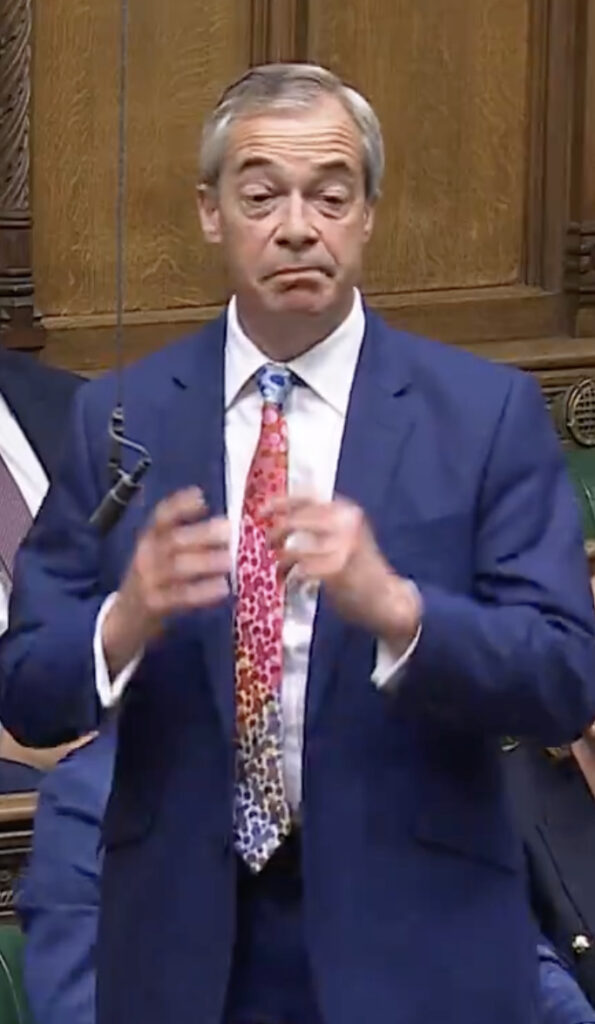
Nigel Farage’s intervention at PMQs followed by his walk-out, had the feel of a pre-cooked moment rather than a spontaneous protest. For a party with limited parliamentary numbers and almost no committee footprint, visibility has to be manufactured rather than accumulated. The result is politics designed for broadcast rather than legislation — effective at generating clips, less effective at shaping outcomes.
The larger pattern
Foreign policy remains event-driven and largely external. Economic pressure is likely to return through energy markets, rather than domestic decisions. Media institutions are quietly preparing for structural change before government policy catches up. Labour’s internal machinery continues to produce narrative friction (and fiction) rather than resolution.
Labour is managing events, the Conservatives are rebuilding after them and Reform is hoping to keep its plates spinning with minimal intervention.
Check us out on insta @theworldofukpolitics
Leave a Reply