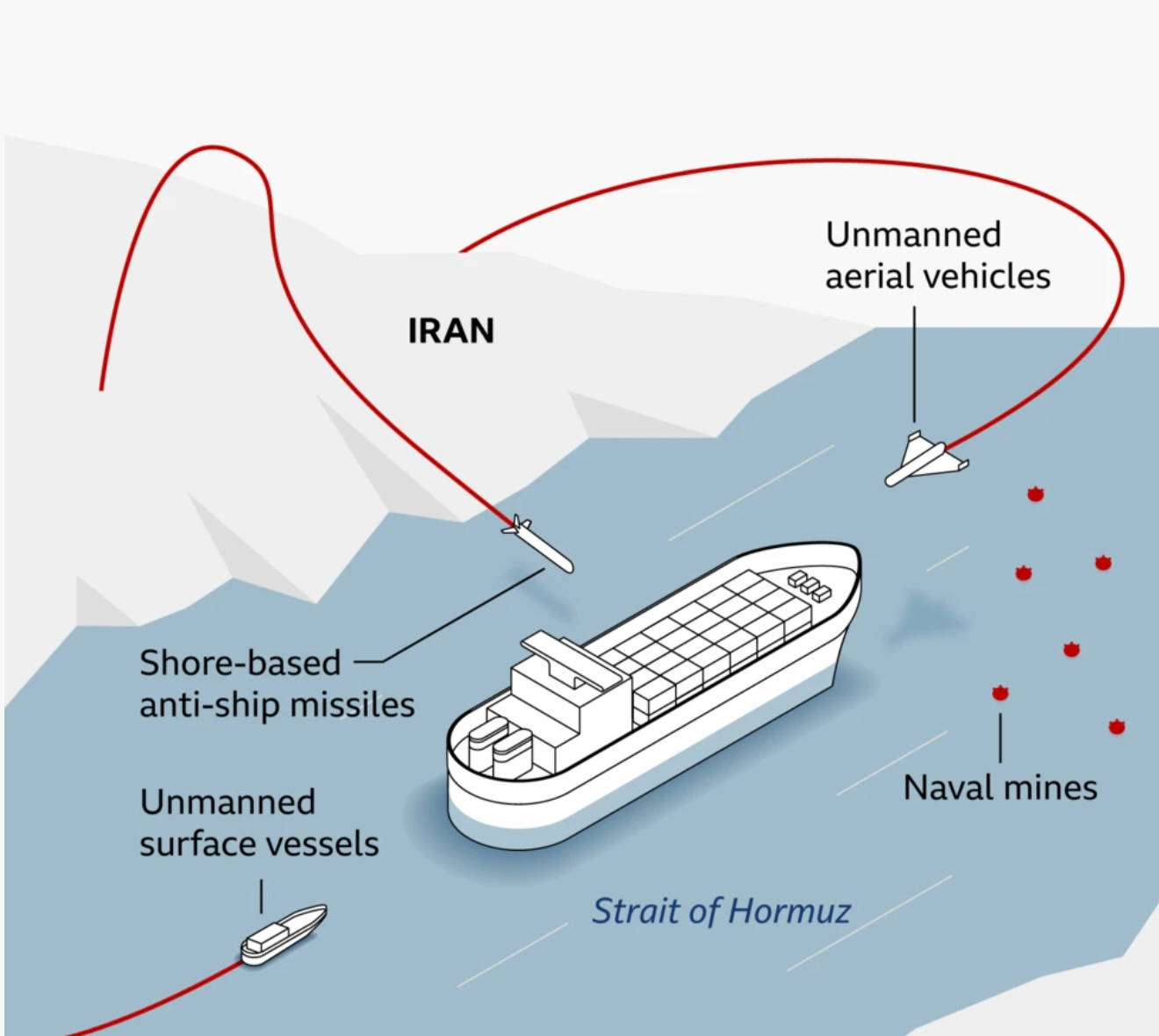
Another week in which British politics found itself waiting on events elsewhere. Iran continued to set the strategic tempo, Washington oscillated between negotiation and escalation by the hour and Westminster responded largely by adjusting language rather than making decisions. Several domestic signals were worth noting: a stalled youth mobility reset with the EU, an unexpectedly hard line from the government on junior doctors’ strikes and a curious royal intervention in the middle of an increasingly strained transatlantic relationship.
The question this week was not what Britain decided, but what it discovered it could not control.
The EU reset that still isn’t resetting
Talks between the UK and the EU over a youth mobility scheme are reported to have reached deadlock ahead of the July 2026 “reset summit”. (Arj Singh, i Paper, 29th March 2026 “UK on collision course with EU over Brexit visas for under-30s.”)

Brussels continues to resist Britain’s insistence on hard numerical limits, against which the Commission has offered an “emergency brake” mechanism intended to control any sudden surge in participation. (Ben Quinn, The Guardian, 29th March 2026 “EU offers UK ‘emergency brake’ on youth mobility scheme numbers.”) This suggests that the EU believes the problem is “optics” rather than migration numbers. That places the remaining difficulty squarely in Westminster’s court, rather than in Berlaymont’s.
The July “Reset Summit” seems to be becoming less about technical agreements and more about whether either side is prepared to make a visible political rapprochement (‘scuse my French.) The significance of the “reset” has only increased as both London and Brussels find themselves recalibrating their relationship with Washington. The question has become whether EU negotiators are prepared to allow a quiet softening of Brexit without causing the need for a publicly acknowledged change of direction from the British government.
Junior doctors and the politics of capacity
The PM took a firmer line than expected in response to the BMA junior doctors’ announcement of a 6-day strike in pursuit of “pay parity.” No 10 issued a 48-hour deadline for the BMA to withdraw their planned action and cancelled 1,000 new training posts when the deadline expired (Elizabeth Mahase, BMJ, 2nd April 2026, “Government axes 1,000 new training posts in England as resident doctor dispute deepens.” )
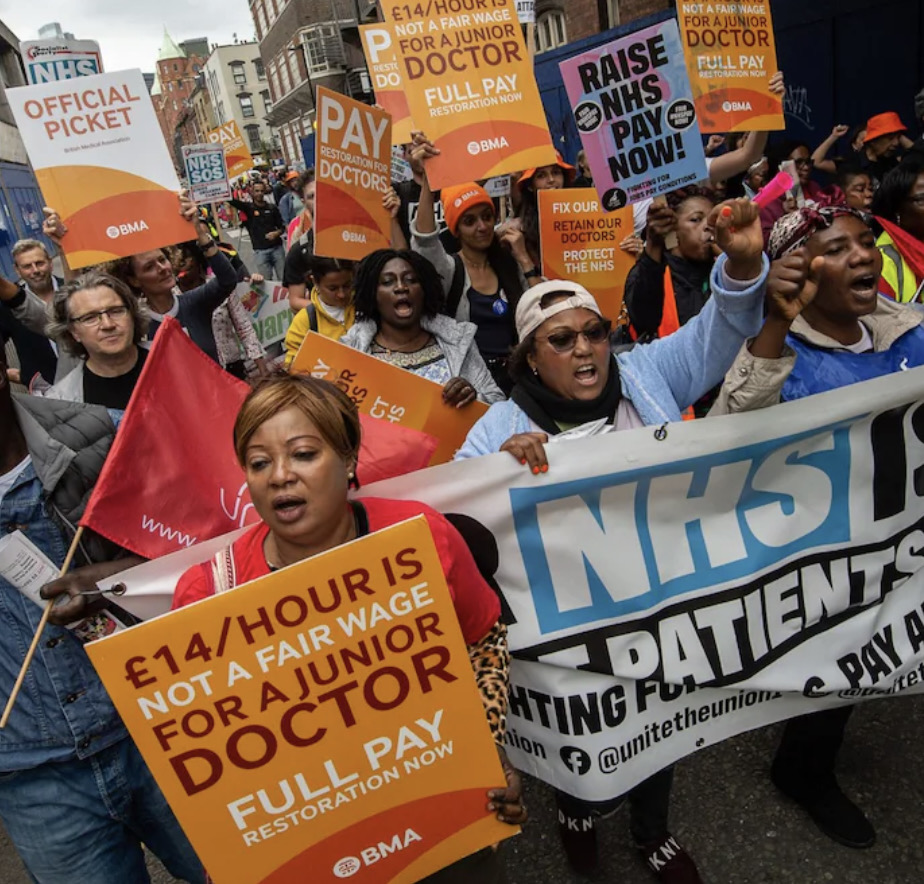
This marks a shift in approach. For years workforce planning in the NHS has been treated as structurally separate from pay negotiations. Cancelling additional training places suggests the government is now willing to trade future workforce expansion for short-term bargaining leverage, or is just really, really, really frustrated by the junior doctors’ over-politicised preparedness to set logic on its head.
The dispute itself continues to rest on the increasingly fragile premise of “pay restoration” to a 2008 baseline, despite substantial changes in contract structures and working conditions over the intervening period. Governments have therefore treated the claim as politically resonant, but fiscally implausible, making resolution basically impossible.
Meanwhile, applications from overseas health workers continue to fall sharply following immigration rule changes affecting dependants, suggesting that workforce pressures in both the NHS and social care may intensify rather than ease later this year (Chris Osuh, The Guardian, 26th February 2026 “Drop in overseas workers is ‘car crash’ for UK hospitals and care homes.”)
Monarchy as diplomatic instrument
In the middle of renewed American criticism of NATO allies, Buckingham Palace announced that TM The King and Queen will undertake a state visit to the United States later this month (Royal Household, 31st March 2026, “The King and Queen will undertake a State Visit to the United States of America followed by a Royal Visit by The King to Bermuda.”)
State visits are never accidental gestures. Deploying the monarch at this moment suggests the government is once again relying on the Crown as a stabilising instrument in a relationship ministers cannot manage themselves, which is diplomatically revealing.
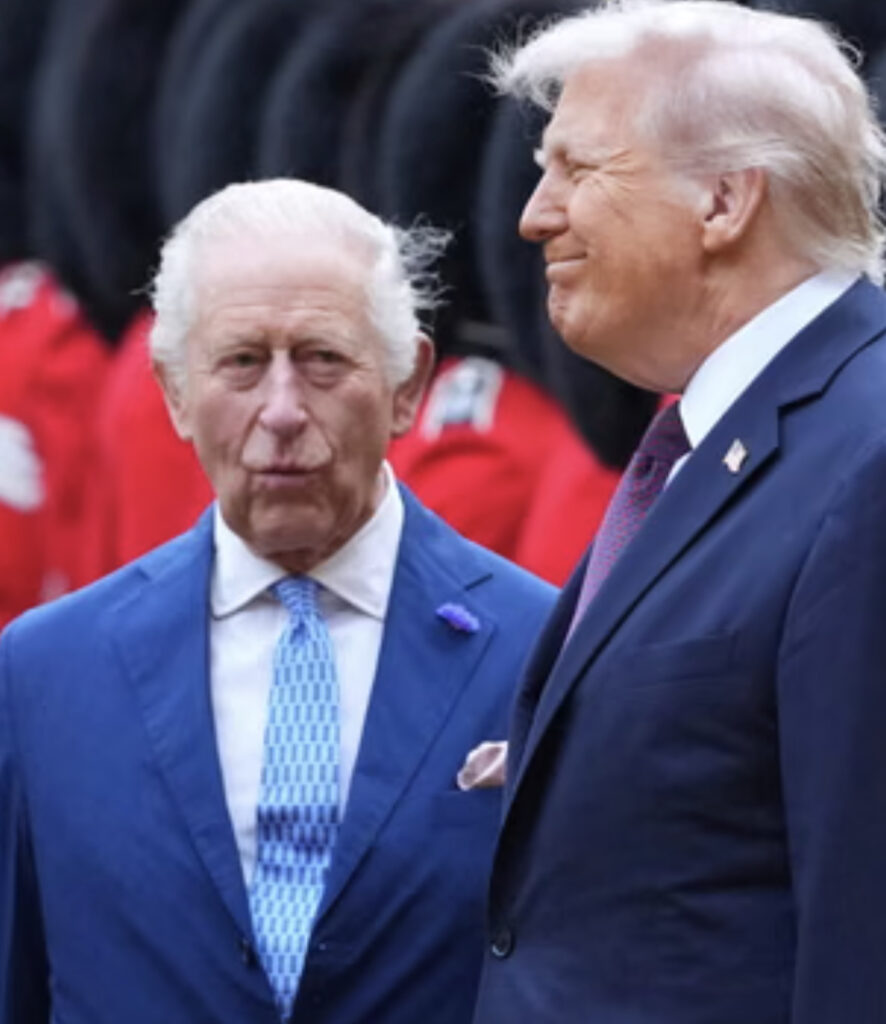
The irony here is that the monarch who must remain above politics is being used here for a political purpose that HMG can not even attempt, to what one can only conjecture must be considerable dismay from the monarch himself.
Hormuz, insurance and the limits of British ageNCY
The Donald celebrated the Good News of Easter by producing an “interesting” series of posts on Crazy Social, starting with a new warning on Saturday.
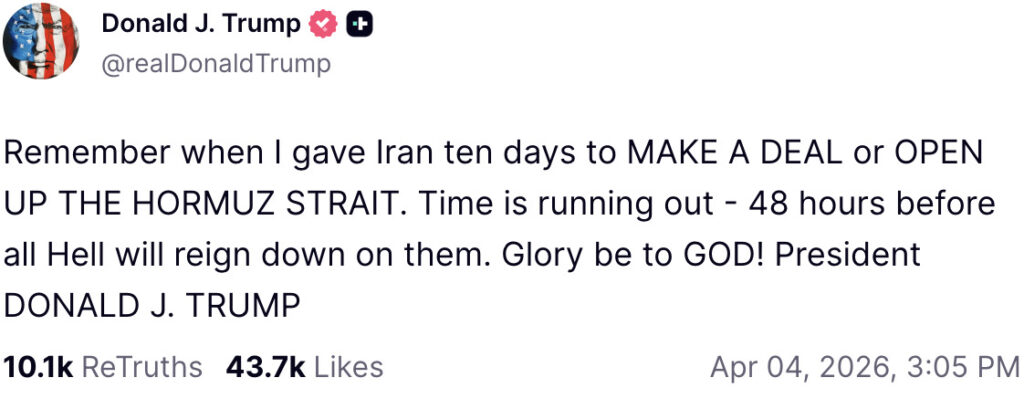
Followed on Sunday by:
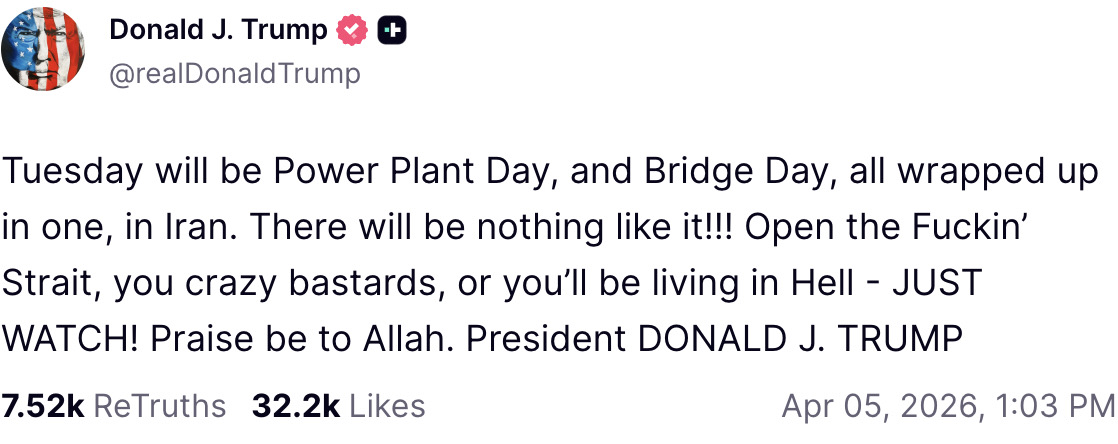
One has to ask, does no-one check his work?
Why is it “Praise be to Allah” on Easter Sunday? All very rum and reinforcing the sense that “negotiation” may be only a new and idiosyncratic pronunciation of “escalation.”
Is there a plan here? Seems a far-fetched idea.
The practical difficulty of reopening the Strait of Hormuz is not defeating the Iranian navy, as that has already been largely degraded. The issue is how to restore commercial confidence in transit risk. Shipping markets respond to insurance pricing faster than they respond to military exploits. A sovereign insurance guarantee by the United States would likely reopen the Strait more quickly than further escalation. Traditional US allies might even be persuaded to contribute to sovereign risk-sharing if the “Leader of the Free World” would rein in his playground taunts.
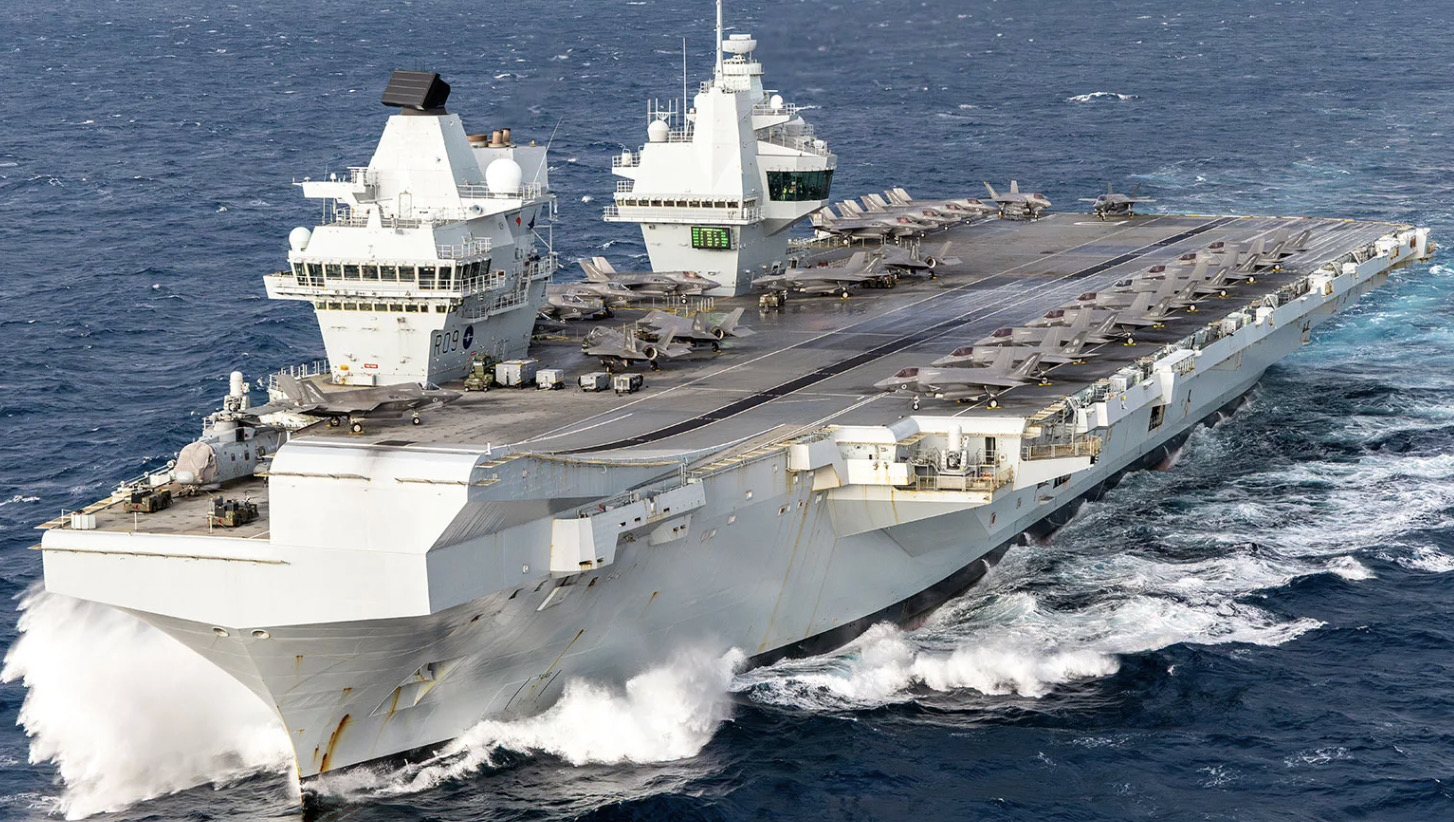
Britain is not in a position to offer transit guarantees independently. That illustrates the limits of British influence over the most immediate economic consequence of the crisis. Even so, the implications for the UK are direct. Disruption in the Gulf transmits rapidly into global pricing regardless of Britain’s relatively modest direct dependence on Gulf energy supply. Inflationary pressures returning to the UK economy just as Ukraine-related energy shocks were easing would narrow HMTreasury’s fiscal room for manoeuvre considerably.
Politics and Government are way behind the curve
Taken individually, this week’s developments appear disconnected: a stalled EU youth mobility scheme, cancelled medical training places, a royal visit to Washington and renewed instability in the Strait of Hormuz.
Britain cannot determine whether the Strait reopens, whether negotiations with Iran succeed (if they are happening at all), or whether US escalation continues. Nevertheless, HMG must prepare for the consequences. This week suggested that those preparations still lag behind events at both a political and governmental level.
Happy Easter!
Check us out on insta @theworldofukpolitics
Leave a Reply