Preparation, hesitation, correction, Reposition.
This past week has seen a (leaky) raft of claims about the Government’s preparations for the US-Israeli attack on Iran, hesitation and uncertainty in response, hardly disguised at all by post hoc (and very definitely therefore not ergo propter hoc) announcements claiming that everything is under control. On the home front more prosaic but equally important domestic policy failures and avoidances resurfaced having been simmering literally for years.
Foreign policy: Diplomacy DEMANDS DECISIONS
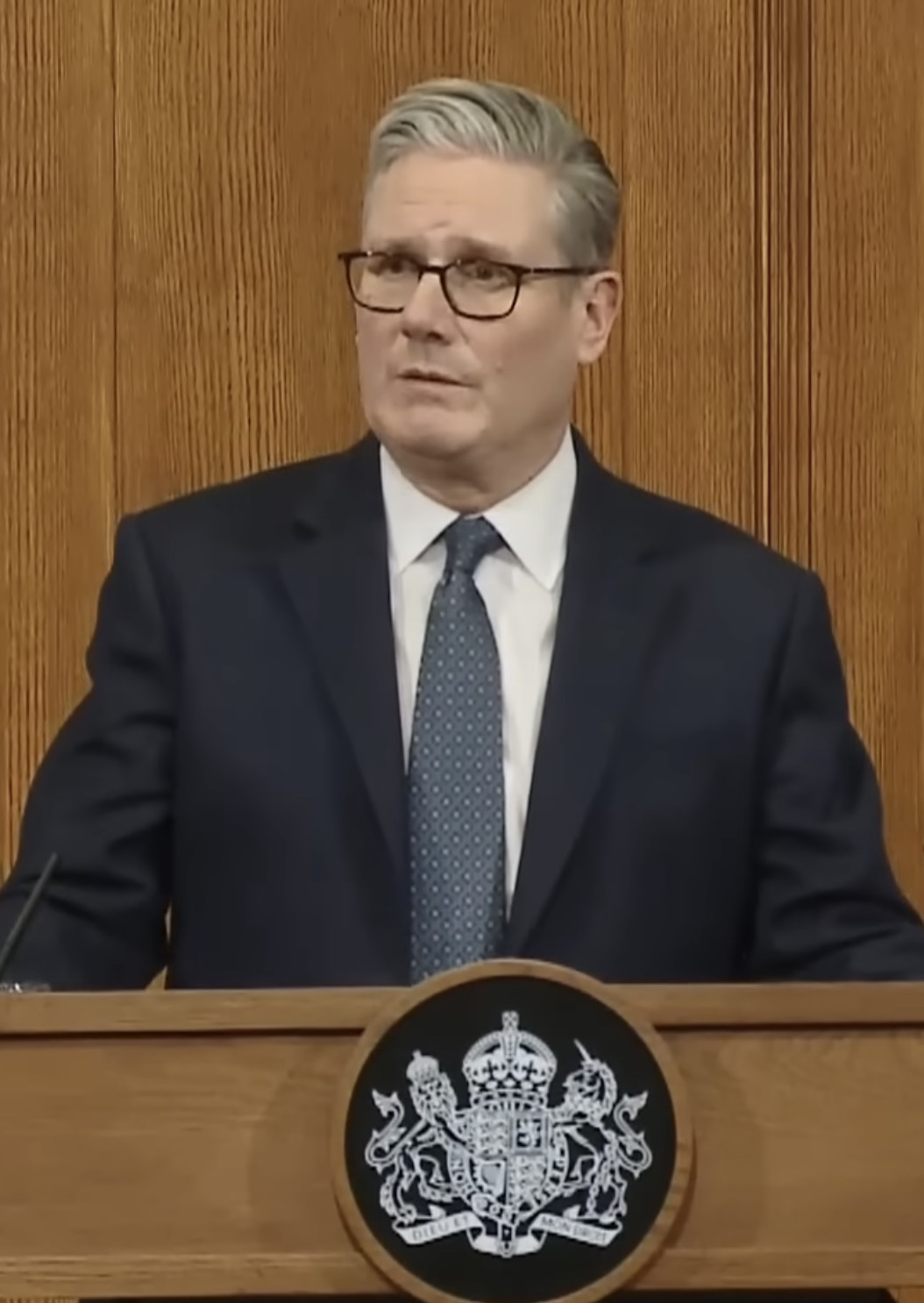
Sir Keir Starmer argued in his Downing Street briefing following the Israeli US strikes on Iran, that the United Kingdom had been preparing for escalation by reinforcing British forces in Cyprus to ensure that the UK could respond to regional instability for some months.
“That’s why, long before the American and Israeli action last weekend, we had already deployed additional military capabilities to the region to defend our interest and I want to pay tribute to our brilliant armed forces. Throughout January and February we were moving defensive assets to Cyprus and Qatar: fighter jets, air defence missiles, advanced radar and systems to take down drones to ensure we were in a heightened state of readiness in advance of any conflict beginning.” Rt Hon Sir Keir Starmer, KC MP. (https://www.youtube.com/live/W4oxTmy_Lrc?si=XqX1uj74Kc8ImYBt&t=793)
Sadly, the operational picture contradicts this hopelessly optimistic political gloss. The MoD announced the despatch of HMS Dragon to Cyprus in order to enhance air defence capability on Tuesday 3rd March. So, whatever assets the Government had deployed to the Eastern Med in January and February must have been, at best, the wrong sort of assets.
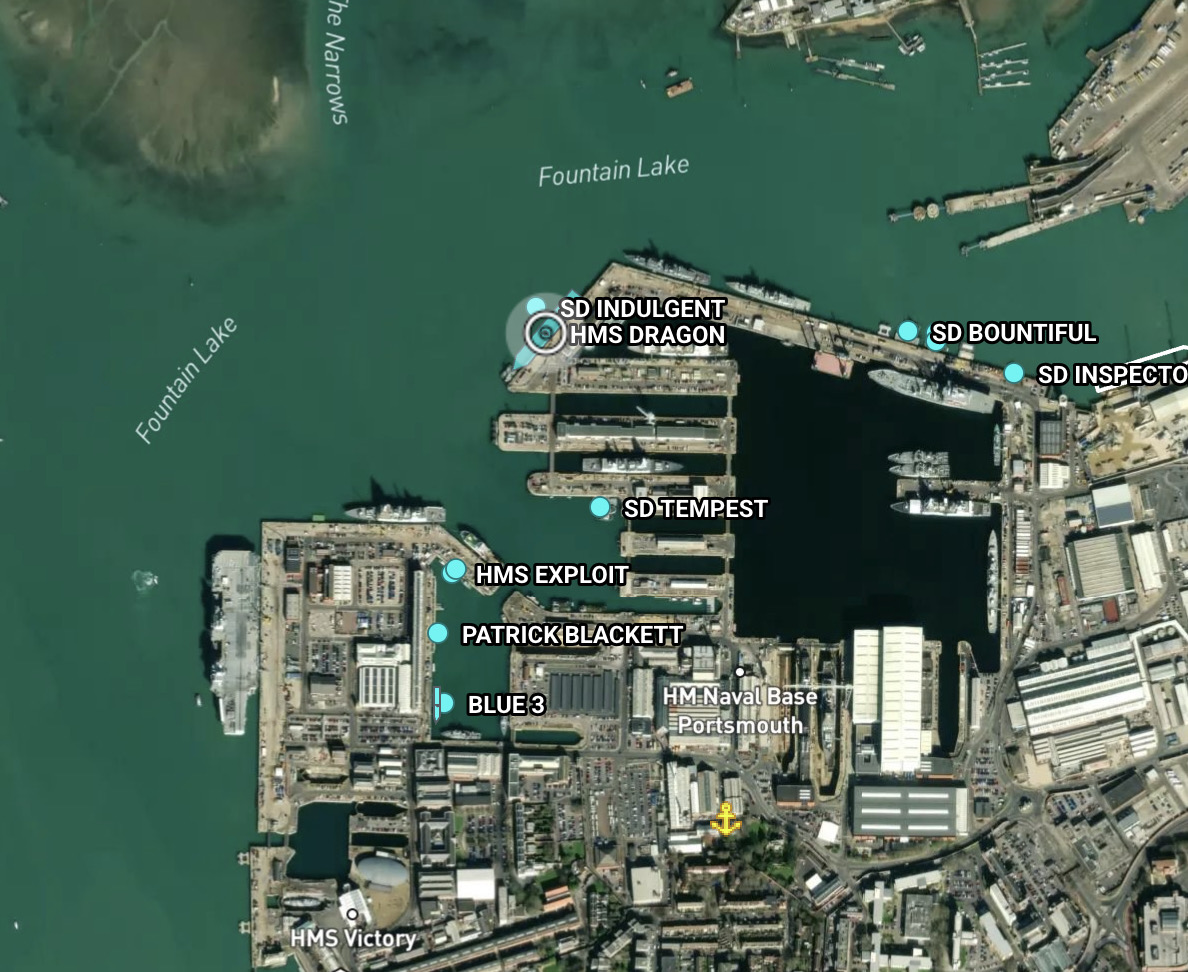
Embarrassingly, however, since the announcement of HMS Dragon’s despatch, the estimable destroyer has spent the week at the Upper Harbour Ammunition Facility in Portsmouth and at 18:00GMT on Sunday 8th March was still moored in Portsmouth Harbour.
Defence minister Al Carns said that HMS Dragon needed welding and alternative weapons to be installed for its repurposed air defence role (Tony Diver & Tom Cotterill & Nick Squires, Daily Telegraph 5th March 2026 “Royal Navy destroyer’s Cyprus mission delayed by welding work” https://www.telegraph.co.uk/news/2026/03/05/royal-navy-destroyer-delayed-cyprus-iran-mission-welding.)
If HMS Dragon manages to leave Portsmouth on Monday it should arrive off Cyprus 4 days later on Friday 13th March (lucky for some), two weeks after Israel launched its first strike against Tehran and some 12 days after the first drone attack (launched by Hezbollah rather than by Iran it seems.)
Meanwhile, upping the ante, HMG has also announced that the carrier HMS Prince of Wales is being placed on a higher state of readiness so that it could follow HMS Dragon to the Med if tensions escalate further (James Landale, BBC News, 7th March 2026 “UK aircraft carrier given five days to be ready to deploy.”) However, again, the Devil is in the detail: the MoD has not brought Prince of Wales to immediate readiness, it has reduced the notice period for deployment from 14 to 5 days – so it could be sent out in 5 days’ time. A reasonably objective commentator might suggest that that could have been done weeks ago when the Government was supposedly “preparing” for regional instability.
Starmer’s announcement of prior notice and preparation does not square with the lack of action. Sir Keir’s instinct to constrain British involvement in Iran may be reasonable (Iraq anyone?) Trump’s bellyaching “He is no Winston Churchill” hardly matters (this is, after all, a US President who only weeks ago was questioning whether NATO allies had held back from the front lines in Afghanistan.) However, in foreign policy, timing matters. Announcing readiness before events can reassure allies and deter escalation. Delayed and chaotic military deployments invite scrutiny of both readiness and the truthfulness of Government representations.
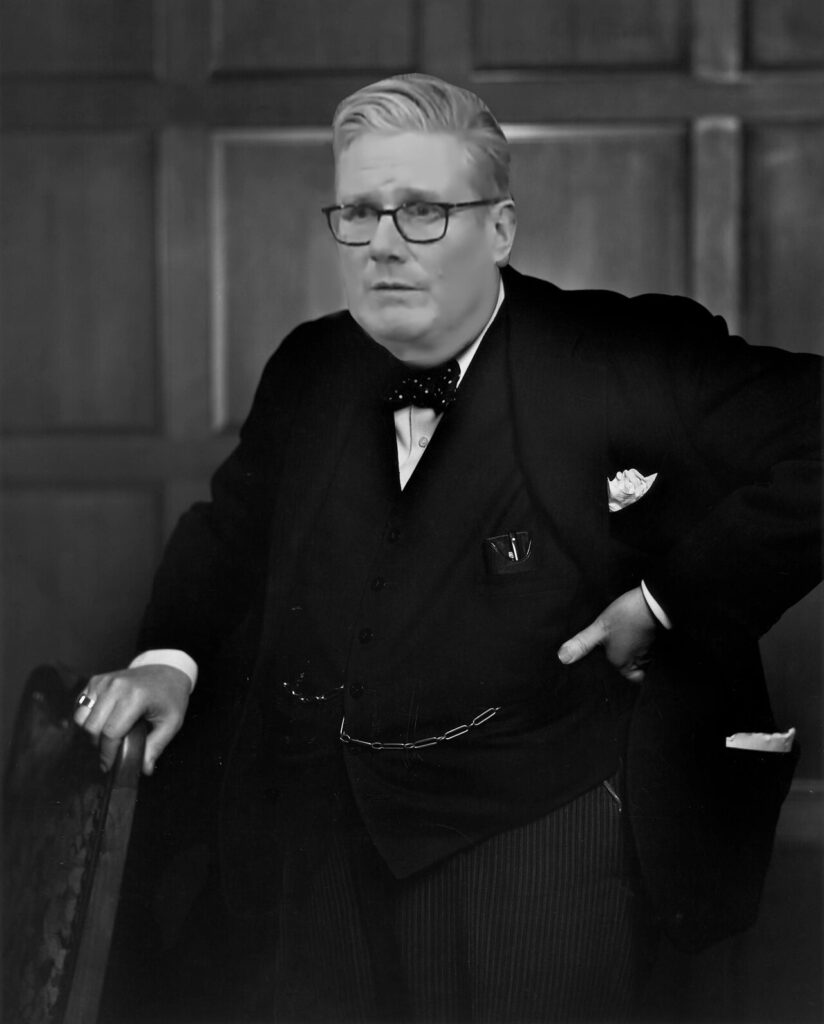
Meanwhile, Tim Shipman’s revelation that the PM had wanted to announce support for the US-Israeli strike on Iran, but that he could not convince his own security cabinet (Tim Shipman, The Spectator, 7th March 2026 “Whose side are you on?“) is itself a political bombshell. Specifically, Sir Keir could not convince Ed Milliband, Rachel Reeves and Yvette Cooper to agree to support the use of British bases for the US to launch bombing raids. Aside from the need for a partial reversal to allow “defensive raids” within 48 hours, this demonstrates the depth of the political hole Starmer has dug himself and the “leakiness” of the Security Cabinet, whose deliberations heretofore have been seen as sacrosanct. The PM, it seems, is political toast. Unbuttered.
Assisted suicide stalls again
Away from the Middle East, the long running debate over assisted dying returned to Westminster with a familiar rhythm: strong support in principle followed by procedural stagnation.
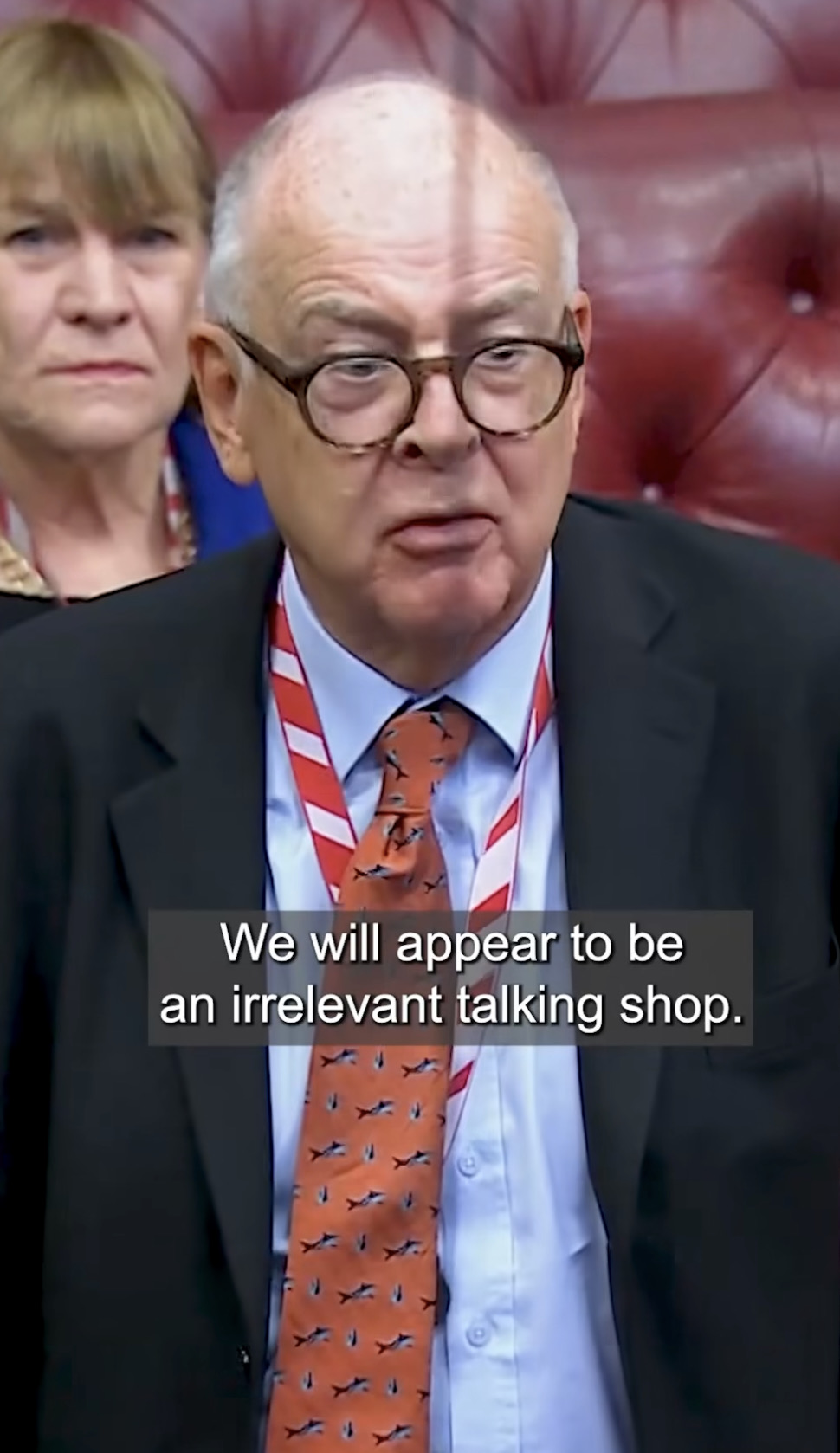
Peers warned this week that the assisted dying bill could fail in the House of Lords unless the government commits time to it as formal business rather than allowing it to drift as a private member’s initiative. Campaigners fear that without government sponsorship the legislation will simply run out of parliamentary time (Rowena Mason, The Guardian, 4th March 2026, “Assisted Dying Bill faces collapse.”)
The episode illustrates a wider pattern in British policymaking. When governments support a proposal, but prefer not to own the controversy, the result is often procedural limbo. The appearance of neutrality masks what is in practice a decision to do nothing. Sir Keir is apparently a self-declard supporter of assisted suicide. But it had better not be a Government Bill, just in case… The consequence? More delay.
Nursing Crisis
A quieter, but more consequential story emerged in health and social care. Applications from overseas health workers have fallen sharply following changes to immigration rules affecting dependants and salary thresholds. Health leaders warn that this drop risks worsening staffing shortages across both the NHS and social care (Home Office, “Monthly entry clearance visa applications, January 2026.”)
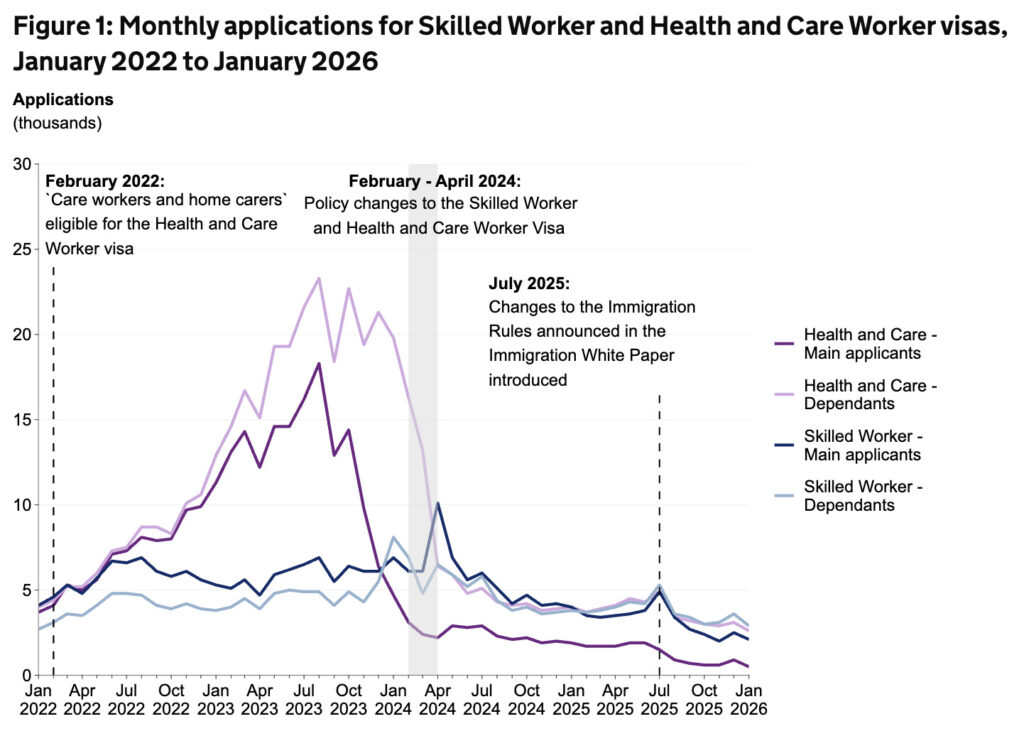
For years, Britain’s healthcare system has depended heavily on foreign trained staff. Tightening visa conditions may satisfy the political desire to control migration numbers, but also mean fewer workers apply to join sectors that already struggle to recruit domestically. Meanwhile there is no sign of any material attempt to increase the numbers of domestically trained health workers.
This is one of those policy dilemmas that has been thoroughly analysed, but never confronted. Governments oscillate between labour market reality and migration politics without fully reconciling the two. If you are serious about reducing foreign-trained healthcare staff, you must organise more training facilities and restructure pay and incentives to encourage more UK residents to train for healthcare rôles. Simples.
The broader pattern
Taken together, these stories reveal a familiar pattern of delay, obfuscation and avoidance.
Foreign policy requires swift clarity, but this government prefers cautious framing. Domestic policy demands structural reform, but political incentives favour delay in order to avoid division. In both arenas the instinct is similar: move slowly, minimise risk and try to avoid irreversible commitments. Defer decisions, maintain ambiguity, deny if challenged.
That approach could potentially work in stable circumstances. You might not achieve much, but you could avoid disaster. The difficulty is that 2026 is not a particularly stable year and delay may lead very speedily to disaster.
The Prime Minister began the week defending Britain’s readiness for a crisis that few expected and many hoped would not come. By the end of the week, the evidence suggested that if the Government HAD made any preparations, they were the wrong preparations.
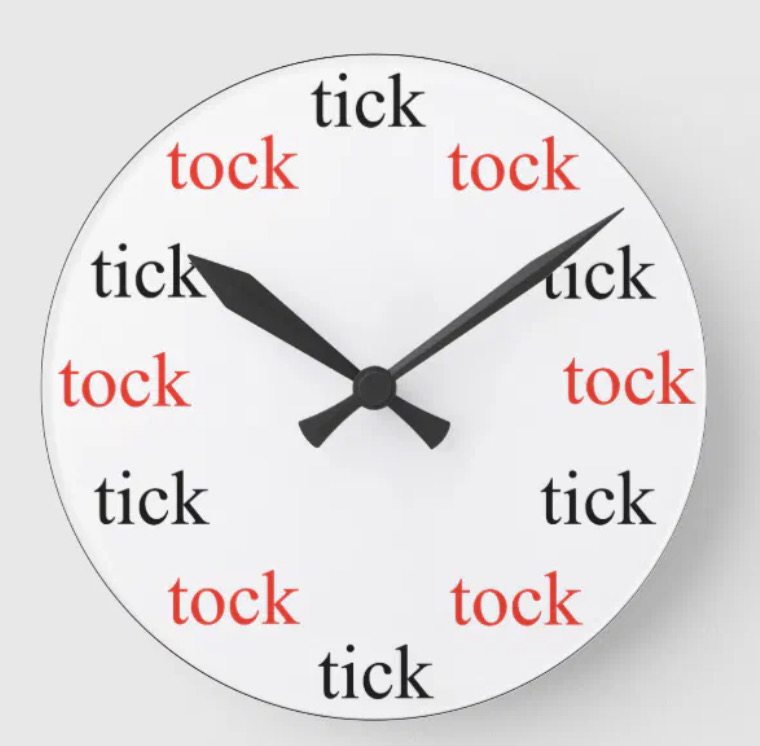
In the political cycle, events do not pause politely in order to allow governments to gather themselves. Sir Harold Macmillan may or may not have explained the pressure on governments as “Events, dear boy. Events!” But we may all join together in offering one terse piece of advice for Sir Keir: “Tick-Tock! Tick-Tock!” (This is not a social media reference.)
Check us out on insta @theworldofukpolitics
Leave a Reply