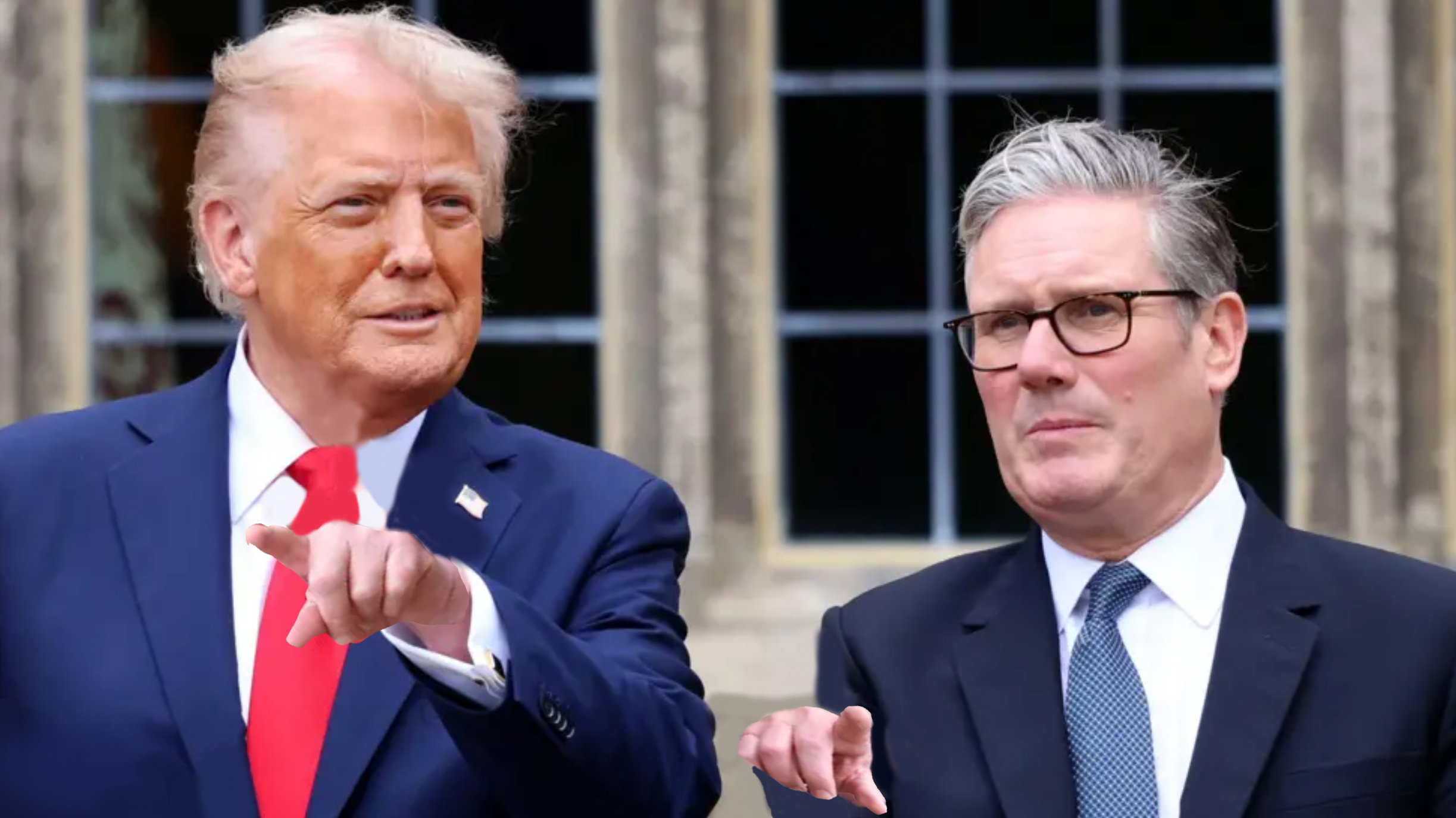
Led, legalistically, from frying pan to fire!
The scandal that died, a by-election that roared and a war that outwitted Starmer within 24 hours.
The week began where the previous tailed off: Epstein adjacency, Mountbatten-Windsor noise and Mandelson hi-jinx.This filled some columns, produced heat and then was abruptly shoved aside by reality. In politics, nothing is ever truly solved, issues just go beyond their sell-by date.
That sell-by date arrived for Labour on Thursday night, 26th February, in Denton & Gorton.
Denton & Gorton: pulls the rug out from under no. 10 line

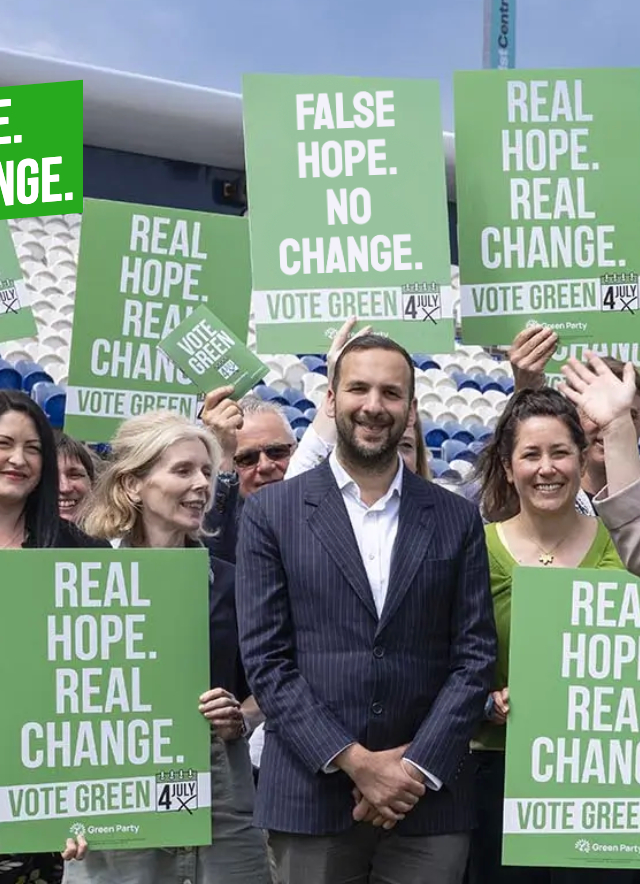
The Green Party won the Denton parliamentary by election on 26th February, the good folk of this Manchester suburb electing Green candidate, Hannah Spencer, a self-described plumber and plasterer, but who is in reality something of a property developer, as their MP (Denton & Gorton result, manchester.gov.uk, 26th February 2026.)
The Guardian reported a sharp membership surge for the Greens as a turning point in progressive politics and a direct threat to Labour (Rowena Mason, The Guardian, Green Party Membership Surge, 1st March 2026.)
Sky’s Beth Rigby made the same point more bluntly: this was devastating for Starmer because it makes the Green surge look real rather than theoretical, Beth Rigby, Sky News, 27th February 2026, “Polanski surge is real.”
The larger question from recent weeks has now acquired a constituency and a vote count. As I think we pointed out last week, before Denton (ahem, incisive political and electoral analysts here at TWOP HQ!) No 10 has shifted from survival to succession without pausing even briefly at strategy. Denton & Gorton is what happens when voters conclude that none of the internal manoeuvring is about anything that touches their lives.
There is a whole second piece here about the rise of Reform UK. Prof Goodwin receive a lot of ire for pointing out, quite courteously, some fairly unpalatable truths about the Greens’ tactics and about the wider electoral landscape.
The Greens’ selective messaging (pictures of Starmer with Modi for Muslim voters, backed up by leaflets in Urdu exhorting Muslim voters to “punish Labour for Gaza”) was a massive leap towards compartmentalised campaigning. No doubt the Greens will be pro-Cornish language in Cornwall. Groan.
As an historic exercise reviewing the Greens 2024 manifesto is a bit of a hoot, but thinking that anyone could take it seriously from a political perspective is rather worrying. Refile in fiction section.
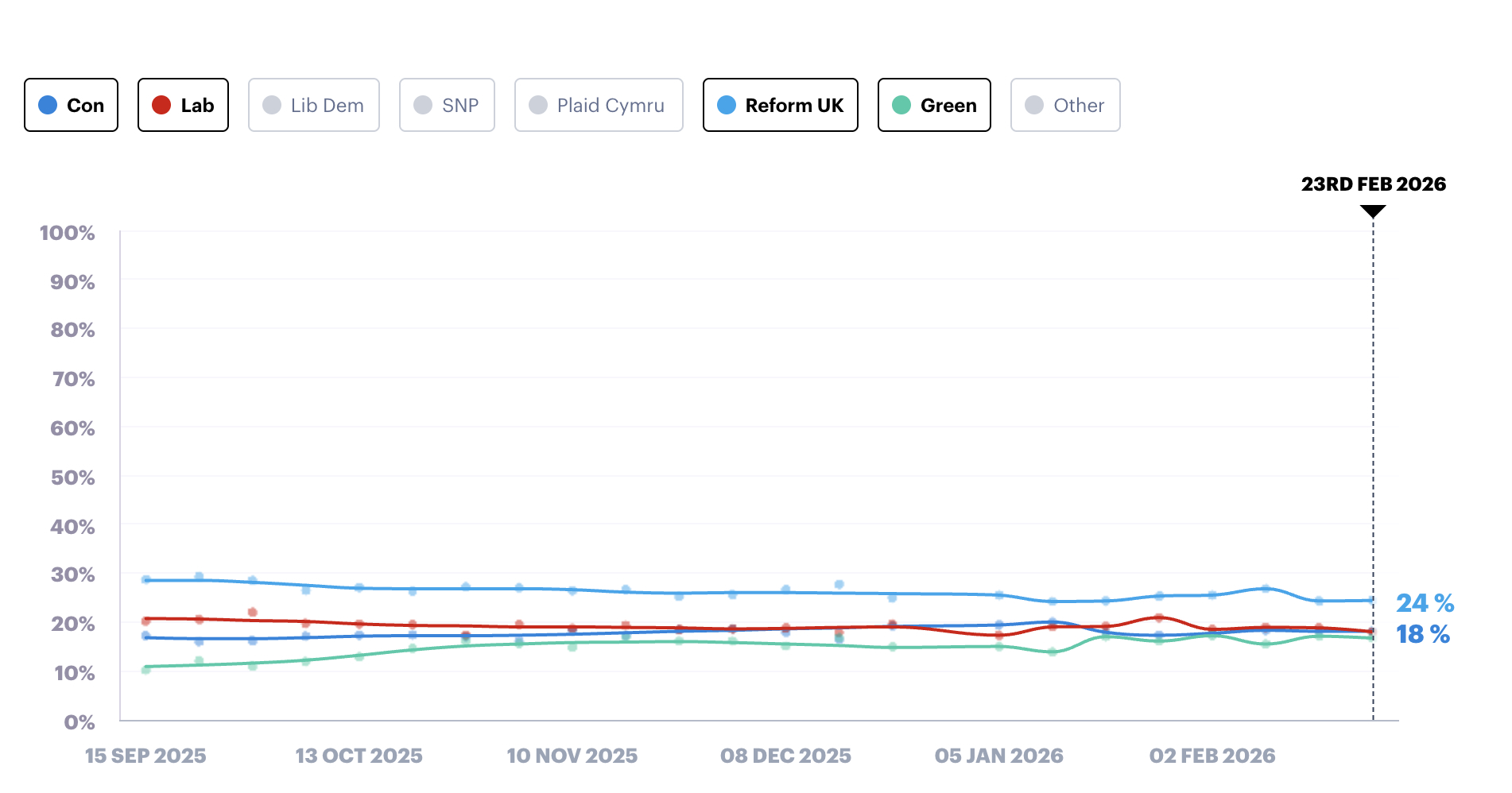
It is also worth remembering that Reform polled 28.7% in what turned out to be a three-way split in a seat which would have not been close to the top half of their target list if it had not been a by-election. The YouGov Voting Intentions poll suggests Reform are polling at around 24% (down from 29% at peak last June) nationally as of 23rd February, ahead of Labour on 18% (down from 21% in January) neck-and-neck with the Tories also on 18%, just ahead of the Greens on 17%.
It’s enough to make you think, if you remain a dedicated Liberal (14%) that you might as well throw the towel in. Politely. The key conclusion, however, is that the mood of the country is basically “Anyone but Labour!” just 18 months after their landslide victory. TWOP’s own spidey-sense is that this is only partly explained by Starmer’s radical unpopularity: the great bulk of the Labour leavers will not be tempted back by Burnham, Rayner or Streeting: those bridges are burnt.
Foreign policy: indecision until events decide for you
By the weekend, the domestic politics storyline had been forcibly interrupted by something rather larger. The United States and Israel struck Iran, forcing Starmer into the least comfortable posture for a lawyer: making a public decision that could not be smoothed away beneath consultation language.
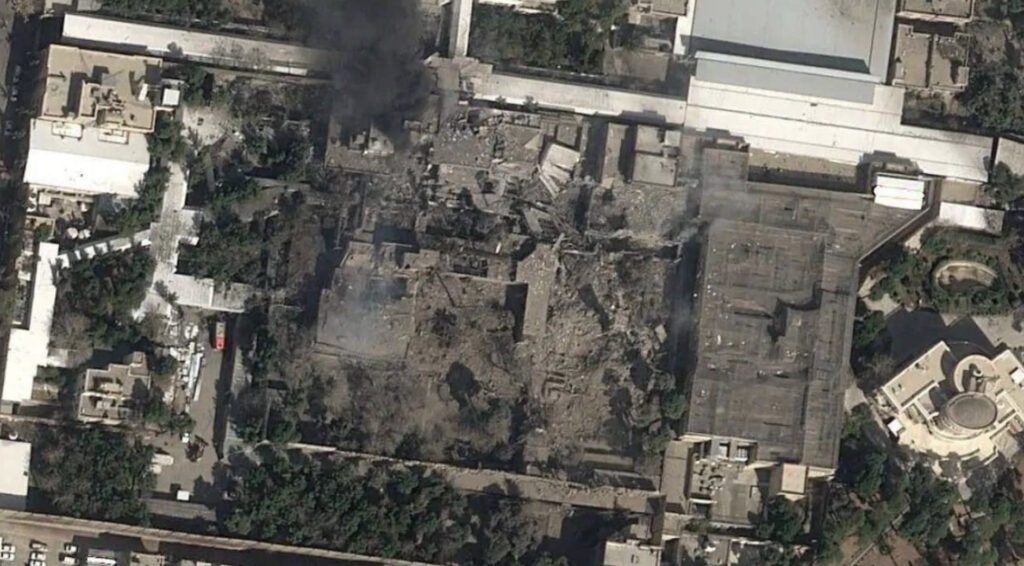
Reuters reported that the UK joined “regional defensive operations” after the strikes and reiterated the familiar line that Iran must never be allowed to develop nuclear weapons, Sam Tabahriti, Reuters, 28th February 2026, “UK forces join ‘regional defensive operations’.” A carefully parsed legal position allowing some involvement with the obviously winning side while protecting HMG from accusations of joining a war that would be deemed to be illegal under international law, given the obvious lack of “imminent threat.”
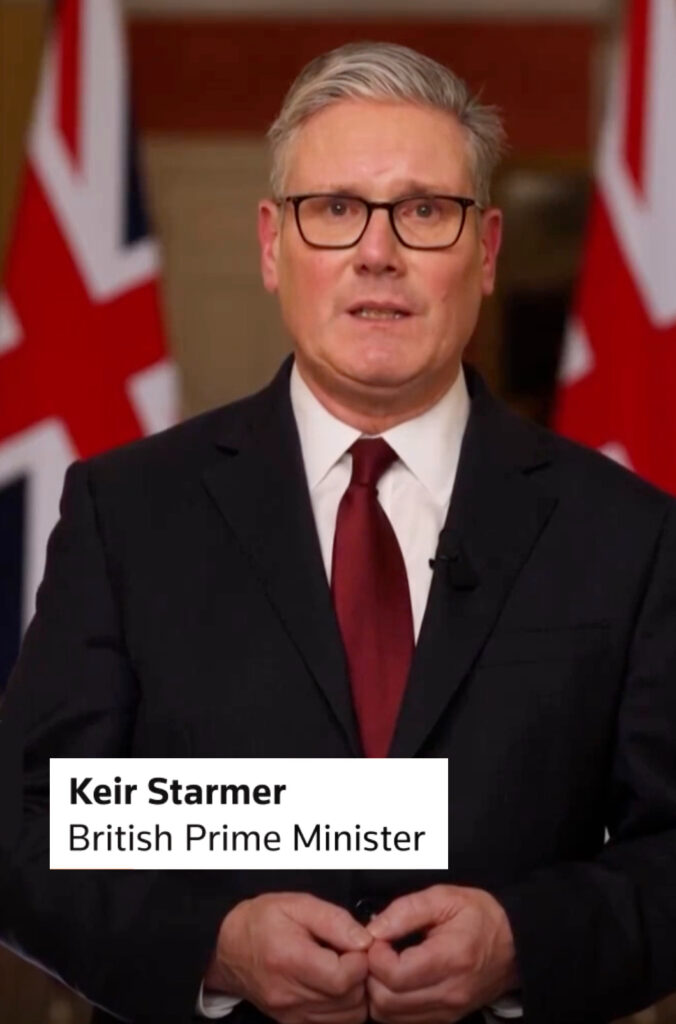
Predictably, however, as news of the US President’s displeasure at Britain’s decision to deny US use of UK-based forces to attack Iran became ever more explicit (Connor Stringer, The Daily Telegraph, 2nd March 2026 “I’m very disappointed”) doughty ex-DPP Sir Keir Slip-Slop, saw a route to joining the action.
So on Sunday evening, as TWOP went to pixel, Starmer reversed himself and moved away from “British planes are in the skies” (yawn), announcing instead that he had approved US use of British bases for “limited defensive strikes” against Iranian missile capabilities.
Starmer attempted to re-frame this reversal as an act of collective self-defence based on the protection of British citizens (Reuters, 1st March 2026 “Starmer says US can use British bases”) just in case the international lawyers have some problems. (They will.) He can’t bring himself to say “we’re happy to help bring down a murderous dictatorship that has funded international terrorism for 40 years.” Too easy.
You can tell that No 10 and HMG are in trouble when the flags are whipped up from the briefing room to the corridor, the PM does his linked hands, pained expression thing, the video editor adds the “Keir Starmer British Prime Minister” overlay, and the announcement is made without the opportunity for journalistic questioning/wry laughs. The Guardian reported the same decision and the domestic backlash it triggered, including calls for parliamentary scrutiny and arguments over legality, Rowena Mason & Helena Smith, The Guardian, 1st March 2026, “UK to allow US to use British bases”. Yep, it is another “Sir Keir grapples with decision-making” moment.
From a narrow UK politics perspective, the Iran crisis matters less as a Middle East initiative, but more as a UK leadership MRI scan. Starmer’s instinct is always to reduce risk by postponing choice. In foreign crises, postponement is rarely available. Decisions can be made (and changed!) on the basis of fast-moving information, but you can’t postpone a decision in to statesmanship.
No leader here
The week demonstrated something Britain keeps relearning. Scandals feel consuming until they are replaced by events that cannot be managed by briefing. A by-election result can alter the strategic political landscape in a single night (although to be fair, we knew that both possible Denton outcomes were going to be a kick in the teeth for Starmer.) However, war can force even a government that prefers process over decisiveness into taking responsibility.
Grooming Gangs inquiry? Maybe. Maybe not. OK, delay.
Local Elections? Cancel them? Reinstate them? What should I do guys?
For ease of reference the Conservatives (remember them?) made a page listing Starmer’s U-Turns. (Although I doubt if their website developers are going to get a lot of calls from IT headhunters

Starmer started the week trying to outlast the Epstein fog and the Mandelson iceberg. He thought he had ended it staring at a by-election that suggests the electorate is accelerating away from Labour more quickly than internal Labour politics can cope with. But, hey presto, just when you were looking forward to a nice little five-a-side footie with the lads in the garden, what comes along? An urgent American request to use British bases to attack (sorry, “self-defend”) Iranian missile launchers and stocks. Difficult stuff this Prime Ministering, eh Keir?
Check us out on insta @theworldofukpolitics
Leave a Reply