Many headlines this week were understandably diverted towards Donald Trump’s possible reincarnation as Jesus and troubling suggestions from the renowned Bible scholar Vice-President James “JD” Vance that “it’s very, very important for the Pope to be careful when he talks about matters of theology.”
That exchange alone probably deserves its own encyclical.
When not occupied with theological supervision, Washington spent the week signalling simultaneously that the Strait of Hormuz was open, closed, reopening and never closed at all. Somewhere beneath those announcements negotiations between Iran and the United States appeared to continue through Pakistani mediation. Israel and Lebanon also seemed to reach some form of ceasefire arrangement, although Hezbollah’s absence from the discussions suggests that the settlement is likely to prove theoretical, which will suit Bibi just fine.
Back in Britain, however, gravity reasserted itself. The news cycle returned to Peter Mandelson.
More Mendacity
It emerged on Thursday that the head of the Diplomatic Service, Sir Oliver Robbins, KCMG CB, had been dismissed after documents prepared for the Intelligence and Security Committee confirmed that Lord Mandelson had failed Developed Vetting following his appointment as ambassador to Washington (Paul Lewis, Henry Dyer & Pippa Crerar, Guardian, 16th April 2026 “Revealed: Mandelson failed vetting but Foreign Office overruled decision.”)
Downing Street responded by insisting that the Prime Minister had not learned of the vetting failure until Tuesday and was then “furious” about it. Sir Oliver’s removal was presented as evidence of Prime Ministerial resolve. That explanation survived about 12 hours, but then most of Britain was asleep for most of that time.
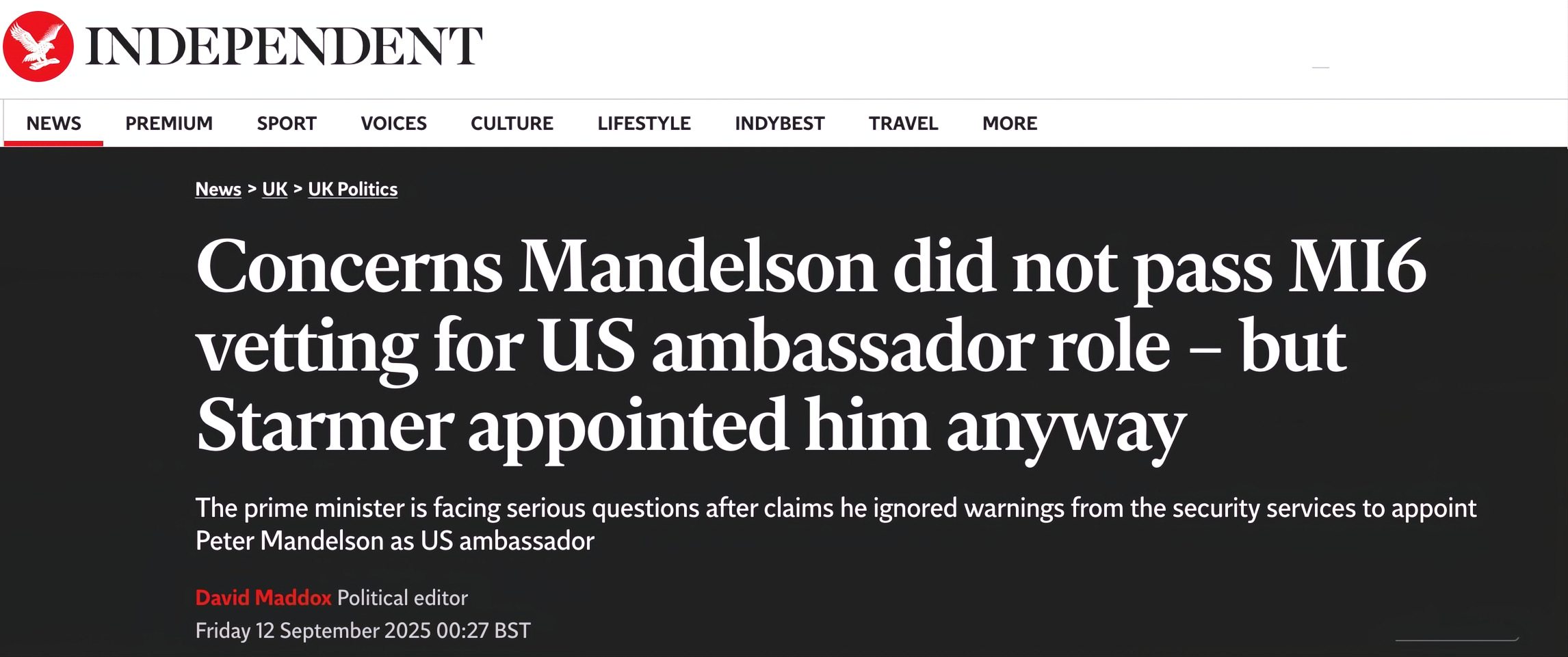
However, on Friday the Political Editor of the Independent, David Maddox, reminded listeners to BBC Radio 4 that he had reported concerns about Mandelson’s clearance 7 months earlier (David Maddox, The Independent, 12th September 2025, “Concerns Mandelson did not pass MI6 vetting for US ambassador role – but Starmer appointed him anyway.”)
For this to have been news to Downing Street 7 months later in April 2026 suggests not merely a communications failure but a monitoring failure and implies that the Prime Minister’s assurance to the Commons in September that “full due process was gone through in relation to this appointment” was not correct. Errors of this magnitude must have consequences.
Ignorance as a constitutional doctrine
The defence that ministers “were not told” has now been deployed repeatedly in the government’s handling of the Mandelson affair. It sits uneasily alongside the constitutional principle that ignorance is not a defence when exercising public authority.
John Selden MP observed in the 17th century that ignorance of the law excuses no man “because ’tis an excuse every man will plead” an observation that accorded with the Roman principle “ignorantia legis non excusat” or ignorance is no defence. One presumes this principle is recalled by former Directors of Public Prosecutions and other formerly distinguished lawyers. The same principle applies rather more forcefully to Developed Vetting decisions affecting HM’s Ambassador to Washington.
The dismissal of Sir Ollie therefore resolves very little. It may answer the question of who the Prime Minister hopes might carry responsibility at the Foreign Office. It does not answer the more difficult question of who knew what in Downing Street and when.
A civil service reshuffle in search of a narrative
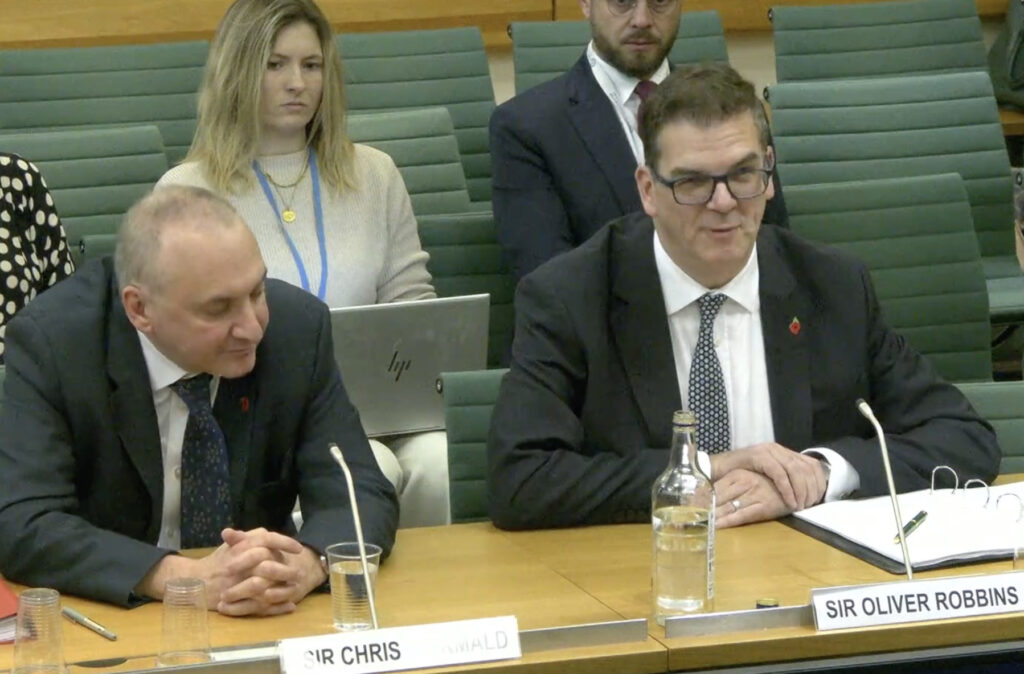
Sir Ollie’s dismissal itself closely follows the earlier “resignation” of Cabinet Secretary Sir Chris Wormald in February. Some may remember that it was these two civil servants who answered the Foreign Affairs Committee’s questions about the Mandelson appointment on 3rd November 2025.
Two such senior removals in quick succession might normally suggest a government asserting control over Whitehall. Instead these two departures suggest a government attempting to contain a story it cannot reasonably explain. The distinction matters.
Reform remains strangely quiet
One striking feature of the Mandelson affair has been the relative quietness of Reform. A party polling strongly ahead of the May local elections might normally be expected to press a story of government ineptitude involving security vetting failures, civil service dismissals and ministerial ignorance. Instead, Reform has remained largely absent from the parliamentary argument. The episode illustrates again the gap between polling strength and institutional presence: Reform continues to poll like a governing party while operating in Westminster rather like a part-time single issue pressure group.
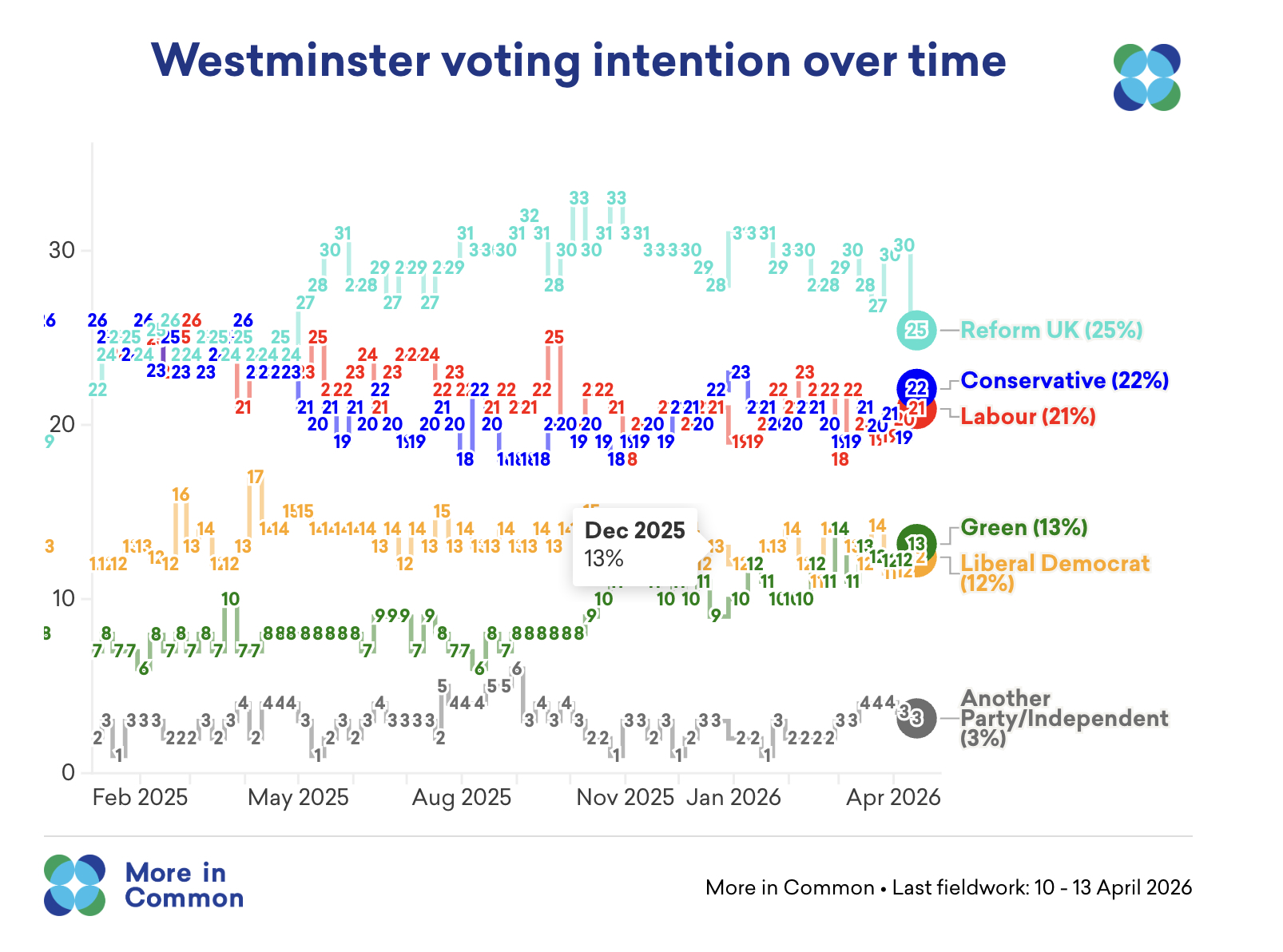
Reform’s limited footprint at Westminster has becomes very obvious this past week.
Hungary moves on
Shortly after last week’s post went to pixel, Viktor Orbán lost the Hungarian election that Vice-President Vance had travelled to Budapest to influence. Péter Magyar’s Tisza party secured a parliamentary majority, opening the way for renewed EU financial flows to Hungary, resurrection of the EU’s proposed €90billion loan to Ukraine and potentially altering the politics of Russian oil transit through Central Europe.
The Druzhba pipeline which delivered ~200,000 barrels of Russian oil per day to Hungary and Slovakia earlier this year, may now become less central to Budapest’s energy strategy if the Adria pipeline through Croatia can be expanded (Kate Abnett & Dmitry Zhdannikov, Reuters, 26th February 2026 “What is the Druzhba oil pipeline and why has it held up EU sanctions on Russia?”)
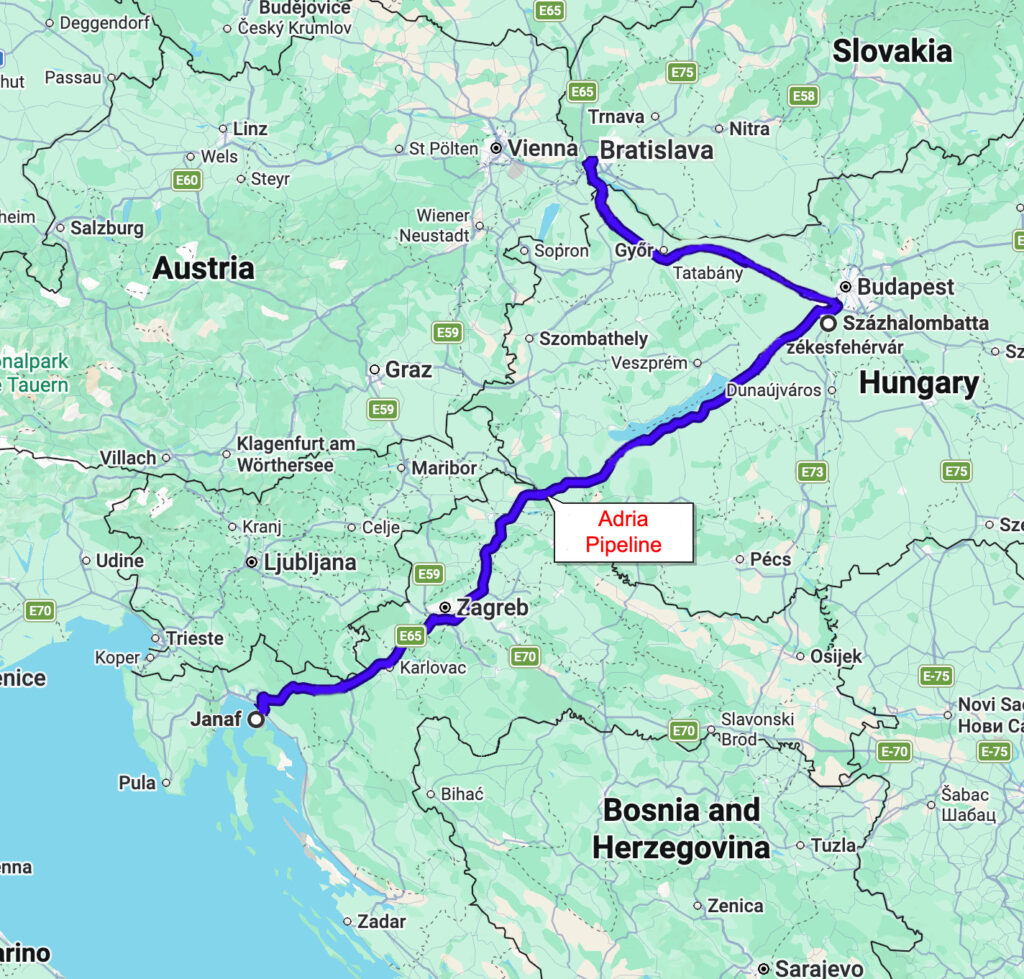
Vice-President Vance’s “assistance” to Viktor Orbán seems to have been as clear-eyed and well thought out as his theological advice to the Pope.
Hormuz: open, closed, negotiating
Meanwhile the status of the Strait of Hormuz continued to oscillate between announcement and reality. Pakistani mediation appears to remain active, Israeli operations in Lebanon have not ceased entirely and Washington continues to combine escalation rhetoric with negotiation through intermediaries.
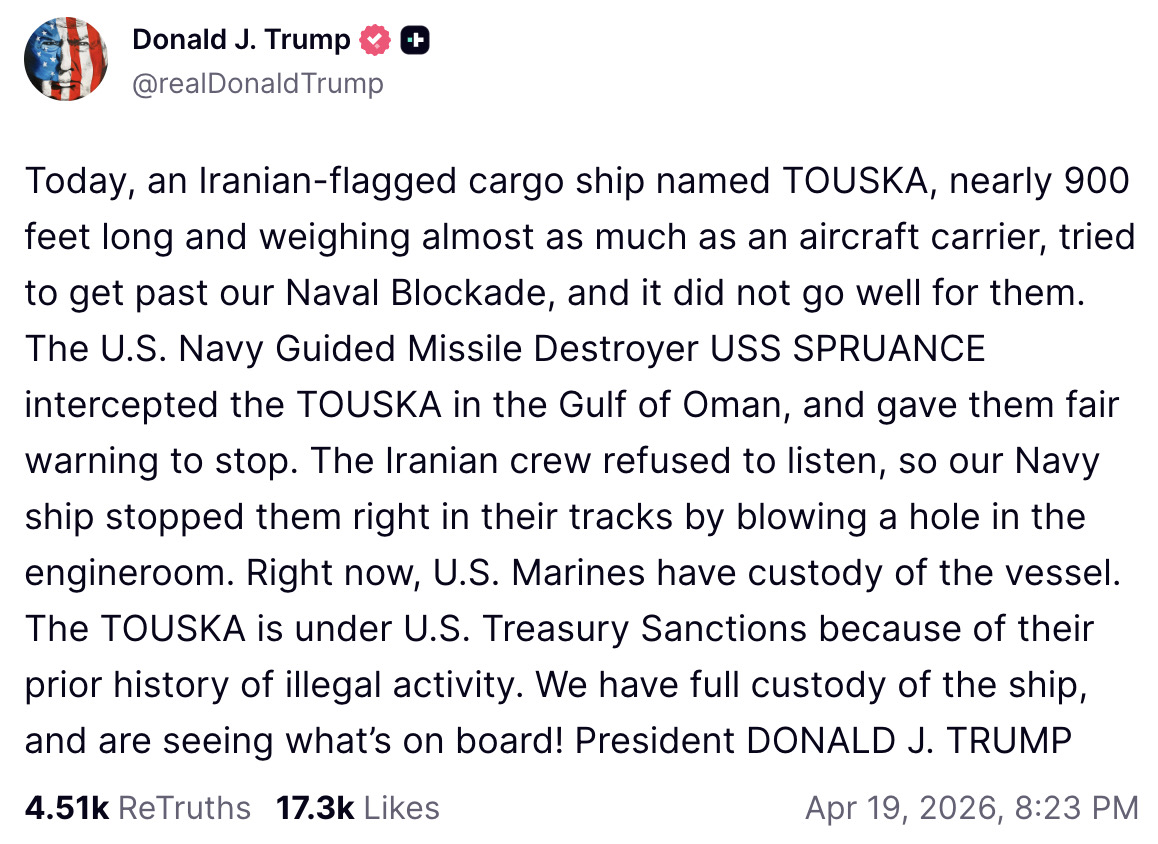
For Britain the immediate significance remains economic rather than military. Britain cannot reopen the Strait of Hormuz, but it will certainly feel the consequences if others fail to do so. Even limited disruption to Gulf shipping transmits into global energy pricing regardless of the UK’s relatively modest direct dependence on regional energy supplies. Inflationary pressure returning just as Ukraine-related energy shocks diminish will narrow the Treasury’s already limited fiscal room for manoeuvre.
Constitutional Developments now move to the Commons
By dismissing Sir Oliver Robbins the Prime Minister hoped to answer the question of responsibility for Lord Mandelson’s appointment. Wormald, McSweeney and Allen had not been sufficient it seems. However, Sir Ollie’s departure does not come close to answering the central question and may, in fact, turn out to be just another wrong answer: Sir Ollie may well have been just doing his job by over-ruling the vetting failure so as to conform to the Prime Minister’s already-announced support for Lord Mandelson’s appointment. The dismissal does suggest, nevertheless, that at best, the Prime Minister did not and still does not understand the vetting process although he keeps saying that he is a “process guy.”
The difficulty is that both explanations cannot be politically neutral. If the Prime Minister did not know that his ambassador to Washington had failed Developed Vetting, the machinery of government failed. If the PM did know, the explanation he offered to Parliament was misleading and should therefore cause the Prime Minister’s resignation.
The Commons will hear Sir Keir’s account on Monday. It is difficult to see how both the Prime Minister and the system around him can emerge from that statement unchanged. A lingering and painful political death seems likely to unfurl over the next 6-8 weeks.
Made for TV
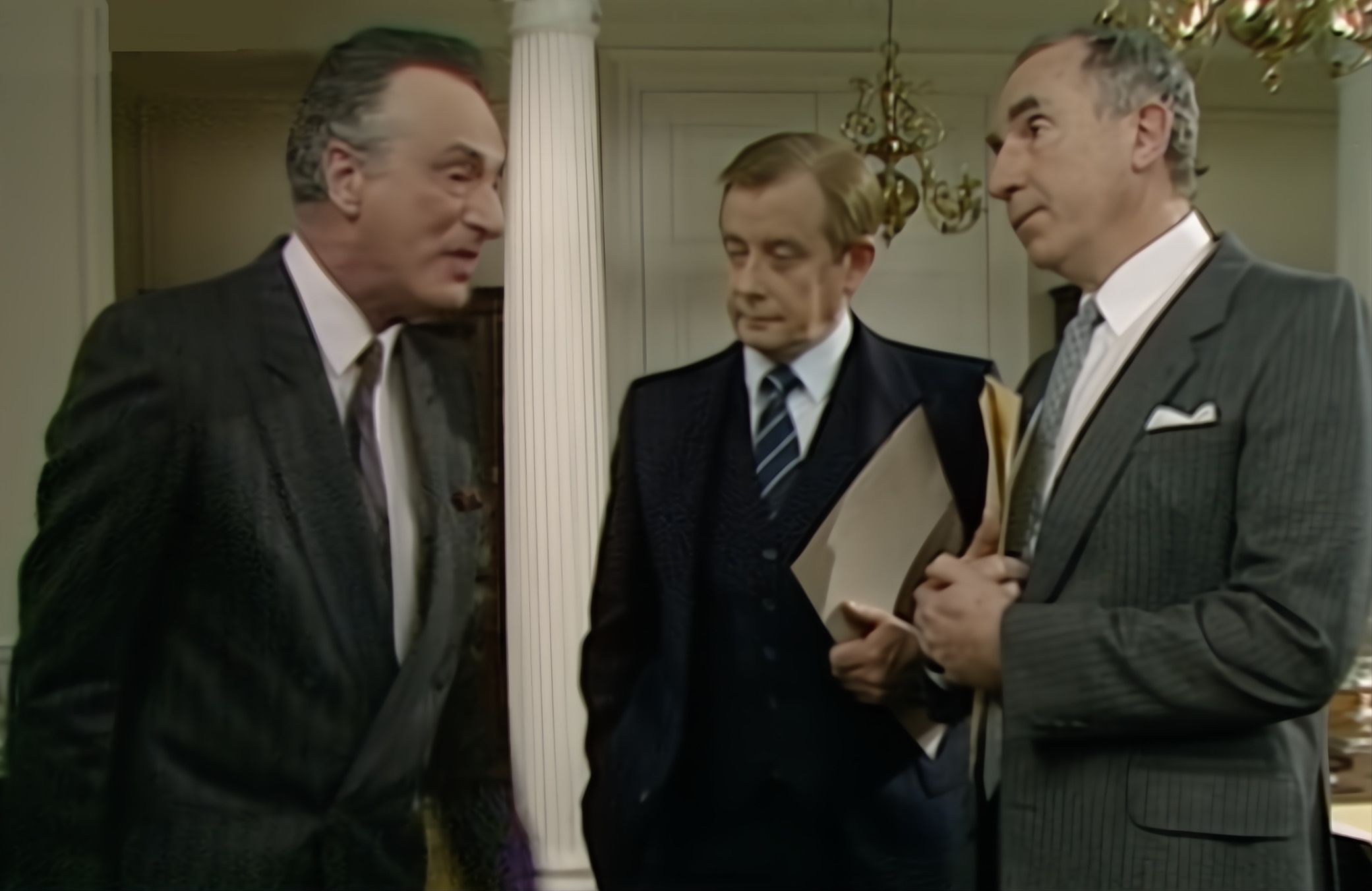
Students of constitutional history – or of late-1980s BBC TV comedy – may feel that they have seen this argument before. A quick watch of Yes, Prime Minister, Series 2, Episode 1: “The Tangled Web” provides a very accurate guide to Starmer’s Mandelson Problem.
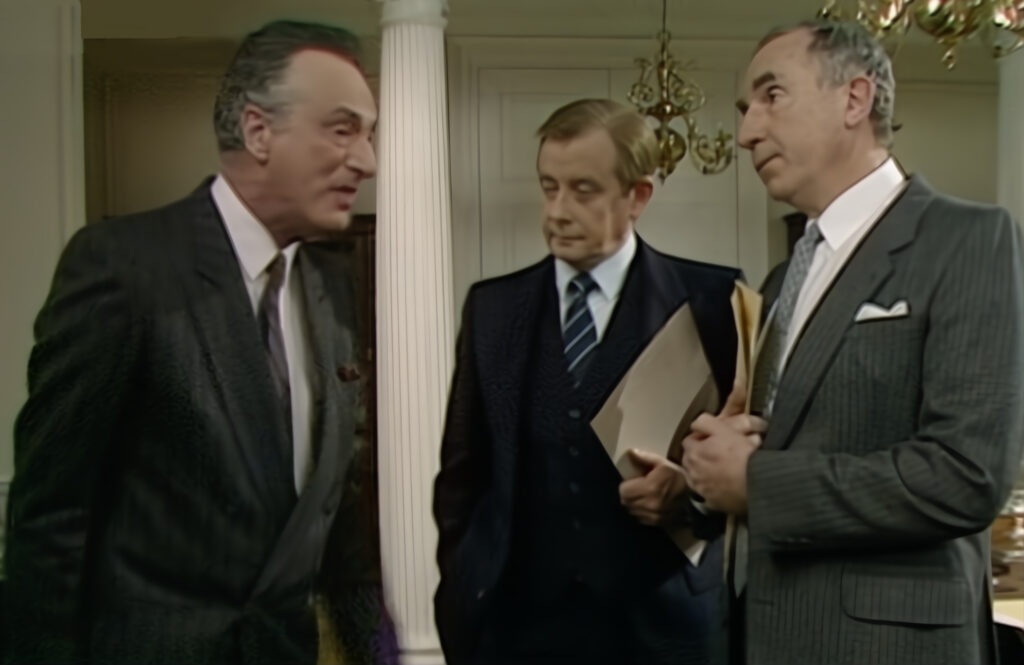
The difference is that in the TV version the officials survived and a minister carried responsibility. In the modern car-crash version many, many officials depart while their political “masters” blithely profess to perennial and wide-ranging ignorance.
Check us out on insta @theworldofukpolitics
Leave a Reply